


Getting lawn mower blades to spin properly is a routine part of yard care that requires both understanding the engagement system and keeping the blades in good condition. Whether you have a walk-behind mower with a manual blade clutch or a riding mower with an electric PTO, the process involves checking safety features, ensuring the engine is running, and activating the control. If the blades don’t start spinning, the issue often lies with a dull or unbalanced blade, a faulty switch, or a worn belt. Before diving into the steps, it helps to understand how your specific mower’s blade control works. For example, many riding mowers require the parking brake to be set and the operator to be seated before the blades can engage. If you suspect an electrical problem, our ignition switch testing guide can help you narrow down the cause. Below, we cover the main methods for turning on mower blades and introduce tools that simplify blade maintenance.
The products listed in this guide are designed to help you maintain your mower’s cutting system. They include blade removal tools, a blade balancer, and a blade sharpener. Keeping blades sharp and balanced reduces vibration and makes engagement smoother, whether you’re using a push mower or a zero-turn model. In the following sections, we’ll explain the steps for engaging blades, how to troubleshoot common issues, and how these tools fit into a regular maintenance schedule. If you’re also dealing with a mower that won’t start, our solenoid jump-start guide addresses another common electrical problem. Let’s start with the basics of blade engagement.

Pros
- Universal fit works with most mowers, so you don't need multiple tools
- Simple one-person operation speeds up blade changes and reduces strain
- Compact design stores easily and is always ready when you need it
- Saves time by eliminating the need to remove the entire cutter deck
Cons
- Requires a jack or lift for ride-on mowers, which may not be available to all users
- Some users may prefer a tool with a longer handle for better leverage
- Limited to blade locking only—does not assist with bolt removal or tightening
The Ximoon Mower Blade Removal Tool is a practical addition to any lawn care enthusiast's toolkit. Designed as a universal blade lock for both walk-behind and ride-on mowers, it simplifies a task that many homeowners find frustrating—changing mower blades. Whether you're a first-time buyer or a seasoned landscaper, this tool aims to make blade swaps safer and faster.
In real-world use, this tool locks the blade securely in place while you loosen or tighten the center bolt. That means no more wrestling with spinning blades or needing a second person to hold things steady. The universal compatibility is a major plus—it fits most standard mower decks, so you can use it on your push mower, riding mower, or even a zero-turn. The included thread protector caps are a thoughtful touch, helping to keep the tool's mechanism free from debris and damage over time.
Build quality feels solid for the price point. The tool is made from durable materials that should hold up to regular use in a garage or workshop. Its compact size—just 1 x 1 x 1 inches—makes it easy to store in a toolbox or drawer, so it's always within reach when you need it. The lightweight design means you can carry it out to the shed or toss it in your service van without adding bulk.
One standout feature is the ability to change blades without removing the cutter deck. For ride-on mowers, you simply lift the rear with a jack, then use the tool to lock and remove the blades from underneath. This saves significant time and effort compared to the traditional method of disassembling the entire deck. For walk-behind mowers, it's even simpler—just tip the mower on its side and lock the blade.
Realistically, this tool does have a few limitations. It requires a jack or lift for ride-on mowers, which may not be standard equipment for every homeowner. Also, it's strictly a blade locking tool—it doesn't provide leverage for loosening stubborn bolts. You'll still need a wrench or socket for that. Some users might prefer a longer handle for better reach, but the compact design keeps storage easy.
Overall, the Ximoon Mower Blade Removal Tool is a smart investment for anyone who maintains their own mower. It's affordable, easy to use, and saves time on a routine task. If you've ever struggled with blade changes, this tool can make your Saturday morning mower maintenance a lot smoother. It's especially useful for those with multiple mowers or for small repair shops looking for a reliable, universal solution.

Pros
- Secure clamp holds the blade steady, preventing slips and reducing the risk of injury.
- Broad compatibility with popular MTD, Troy-Bilt, and Yard Machines models up to 42-inch decks.
- Simple, tool-free operation - just slide, clamp, and loosen the nut.
- Low-cost way to make a common maintenance job easier.
Cons
- Universal fit means some blade shapes or deck designs may be too wide or too tight.
- Very stubborn blade nuts may still require additional leverage or penetrating oil.
- Limited track record - with no customer reviews yet, long-term durability is unproven.
Replacing or sharpening a lawn mower blade is one of those jobs that sounds simple but often turns into a wrestling match. The KINTLE Universal Mower Blade Removal Tool is designed to take the struggle out of that task. It clamps to the mower deck to hold the blade steady while you loosen the nut, making the process safer and faster. This is a handy accessory for any homeowner who maintains their own walk-behind or riding mower, especially first-timers who might not have a second person to help hold the blade.
Sharp blades are key to a clean cut, and this tool helps you keep yours in top shape. The product description highlights that it works with a wide range of MTD, Troy-Bilt, Yard Man, and Yard Machines models up to 42-inch decks, including single and twin blade setups. By holding the blade securely, it prevents the spinning and slipping that can lead to skinned knuckles or stripped bolts. For anyone who mows weekly and wants a tidy lawn without ragged grass tips, an easy blade change makes all the difference.
Build quality looks solid for the price. The rigid metal construction and easy-turn clamp handle are meant to handle the torque you'd put on a blade bolt, and the tool is small enough to toss in a toolbag or hang on a pegboard. Since it's a replacement for OEM part numbers 339079 and 490-850-0005, it's designed to match the fit of those specific clamps, which should give buyers some confidence in its compatibility.
Setup is basically zero - you just position the clamp over the deck and tighten the handle. You don't need any special skills, and it stores easily in a garage or shed drawer. In terms of maintenance, the tool itself needs little more than a wipe-down after use. Some users may find that very tight blade nuts still require a breaker bar or a bit of penetrating oil, but the clamp's job is to hold the blade, not to add leverage.
The main limitation is that it's a universal tool, so it won't fit every mower deck or every blade configuration out there. It's specified for decks up to 42 inches, so larger zero-turn or commercial mowers may be out of scope. Also, while the price is reasonable, it's a niche item - you're paying for convenience and safety rather than a complex feature set. If you have a compatible MTD or Troy-Bilt mower and you're tired of struggling with blade changes, this tool is a worthwhile addition to your garage arsenal.

Pros
- Simple and intuitive design makes blade balancing quick and hassle-free
- Solid metal build feels durable and should last for years
- Universal compatibility means it works with most mower blades out there
- Helps reduce vibration and improve cut quality without expensive equipment
Cons
- Only checks balance - you'll still need to sharpen blades separately
- May not fit extremely large or odd-shaped blades on some commercial mowers
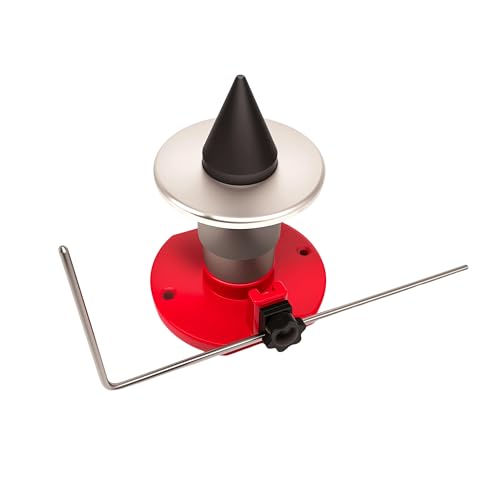
The SporGain Updated Lawn Mower Blade Balancer is a straightforward accessory designed for homeowners who sharpen their own mower blades. After you've ground a fresh edge, this tool lets you verify the blade sits evenly - no more guessing if it's balanced. An unbalanced blade can cause vibration, uneven cutting, and extra wear on your mower's engine and spindle. This balancer helps you avoid those issues with a simple drop-on check.
Based on the product description, the design uses a precision cone and base that supports the blade at its center hole. You just place the blade on top, and if it tips to one side, you know it needs more work. The patent-pending shape aims to improve accuracy over basic cone balancers. It's meant for standard lawn mower blades with round, square, or common center holes - so it should fit most residential push mowers, self-propelled models, and even some riding mower blades.
The build quality is a key highlight: it's made from zinc die-cast metal, which feels solid and resists rust. That's a nice upgrade from plastic balancers that can crack or warp over time. The black finish looks clean and should hold up well in a garage or shed, even with occasional moisture. At about 5.3 x 4.3 x 6.5 inches, it's compact enough to toss in a toolbox or hang on a pegboard.
Using the balancer is about as easy as it gets - no assembly, no batteries, no instructions needed. You just set your sharpened blade on the cone and watch for any tilt. If it's off, you grind a bit more on the heavy side until it sits level. This process helps extend blade life and keeps your mower running smoothly. Many users find that a balanced blade reduces vibration noticeably, which is easier on the mower and makes for a cleaner cut.
One limitation to keep in mind: the balancer only checks balance - it won't sharpen your blades for you. You'll still need a file, grinder, or sharpening kit. Also, very large or oddly shaped blades (like those on some commercial zero-turn mowers) might not fit the cone properly. But for the vast majority of residential lawn mowers, this tool is a practical and affordable addition to your maintenance routine.
Overall, the SporGain Blade Balancer is a smart buy for any DIY-minded homeowner who sharpens their own blades. It's well-made, easy to use, and helps you get a smoother cut while reducing wear on your mower. If you already sharpen blades yourself, this is a no-brainer. If you're new to blade maintenance, it's a simple tool that makes the job easier and more accurate.

Pros
- Universal fit for many walk-behind and riding mowers up to 42 inches.
- Sturdy metal build with rust resistance for durability.
- Easy-turn button makes blade removal quick and straightforward.
- Replaces multiple OEM part numbers, reducing compatibility worries.
Cons
- May not fit mowers with non-standard blade retention systems.
- Some users might prefer a longer handle for extra leverage.
If you own a walk-behind or riding mower up to 42 inches, the SporGain Universal Lawn Mower Blade Removal Tool might be the simple helper you need for routine blade swaps. Designed to replace several OEM tools like Cub Cadet 490-850-0005 and MTD 490-850-0005, this tool aims to make blade removal safer and less frustrating for suburban homeowners and DIYers.
Based on the product specs, the tool features a sturdy metal construction that resists deformation and rust. That's a plus if you tend to leave tools in a damp garage or shed. The easy-turn button is meant to simplify the process, letting you remove blades without wrestling with awkward angles or stripped bolts. Many users appreciate how it fits common Troy-Bilt, Bolens, and Yard Man models, so you don't have to guess about compatibility.
For anyone who's ever struggled with a stuck mower blade, having a dedicated removal tool can save time and knuckles. The SporGain tool is lightweight and compact, so it won't take up much space in your toolbox or hang on a pegboard. It's also affordable, which makes it a low-risk addition to your lawn care kit.
On the downside, this tool might not work with mowers that have non-standard blade retention systems. Some users might also wish for a longer handle to get extra leverage on stubborn bolts. But for most standard mowers, it should do the job without much fuss.
Overall, if you're looking for a budget-friendly way to maintain your mower blades safely and easily, the SporGain Universal Blade Removal Tool is worth considering. It's not a flashy gadget, but it gets the job done for everyday mower maintenance.

Pros
- Extremely easy to use – just attach to a drill and sharpen
- Durable material won't degrade from friction heat
- Affordable price for a five-pack, excellent value
- Versatile – works on many blade types beyond just mowers
- Saves time and effort compared to manual filing
Cons
- Requires a power drill or hand drill (not included)
- May not fit curved or very small blades perfectly
- Balancing the blade after sharpening is still recommended for best mower performance
The cenoz 5 Pack Lawn Mower Blade Sharpener is designed for homeowners who want to keep their mower blades sharp without spending a lot of money or time. This simple accessory attaches to any power drill, turning it into a fast blade sharpener in seconds. It's ideal for anyone who mows their own lawn and wants a cleaner cut, healthier grass, and less strain on the mower engine.
Performance-wise, the sharpener works quickly. According to the product description, it can restore a dull blade to a sharp edge in a short time. A sharper blade means the mower cuts grass cleanly instead of tearing it, which reduces browning and disease. The double-layer corundum material is a key upgrade over older versions – it's more durable and doesn't melt or degrade from the heat generated during grinding.
Build quality is a highlight. The corundum grindstone is tough and long-lasting, so you can sharpen multiple blades with one tool. The five-pack gives you extras for different tools or to share with a neighbor. Each sharpener measures 2.3 x 2.5 inches, which is a good size for most mower blades.
Setup is about as easy as it gets. You just insert the sharpener into your drill's chuck, tighten it, and you're ready to go. The product claims it takes only 10 seconds to install. No special skills or tools are needed. After sharpening, you'll want to check the blade balance to avoid vibration, but that's a simple step anyone can do.
A realistic limitation is that you need a drill – this sharpener doesn't work on its own. Also, while it's universal, very large or oddly shaped blades might not fit perfectly. And because it's a grinding stone, it removes material, so you shouldn't over-sharpen or thin the blade too much.
Overall, the cenoz blade sharpener is a practical, affordable solution for any U.S. homeowner who wants to maintain their lawn mower and other cutting tools. It's especially valuable for those on a budget, first-time buyers, or anyone who prefers easy DIY maintenance. If you already own a drill, this is a smart investment that will pay for itself in saved blade replacement costs.
Using the cenoz lawn mower blade sharpener is straightforward. First, disconnect the spark plug or remove the battery from your mower for safety. Then remove the mower blade and clean off any grass or debris. Insert the sharpener's shaft into your drill's chuck and tighten it securely. Hold the drill at a steady angle against the blade's cutting edge, moving it gently back and forth along the edge. The double-layer corundum will grind away dull metal. Work slowly to avoid overheating. After sharpening, check the blade balance with a balancer or by hanging it on a nail. If one side is heavier, remove a bit more material. Reinstall the blade, and you're ready to mow with a fresh edge.
How to Turn on Lawn Mower Blades: Steps and Maintenance
Turning on lawn mower blades involves more than just flipping a switch or pulling a lever. The process varies by mower type, but the underlying principles are similar. This section walks through the typical engagement methods, safety checks, and blade condition requirements. It also covers how blade removal, balancing, and sharpening tools support reliable operation.
Understanding Blade Engagement Systems
Most walk-behind mowers use a blade clutch lever mounted on the handlebar. Squeezing the lever against the handle engages the belt drive and starts the blade spinning. Releasing the lever stops the blade. This is a safety feature that stops the blade quickly if you let go. On riding mowers and zero-turn models, blade engagement is usually controlled by an electric PTO (power take-off) switch. When you press that switch, an electromagnetic clutch engages the belt that drives the blades. Some older models use a manual lever connected to the deck. Regardless of the system, the engine must be running at a certain speed for the blades to turn properly.
Safety Precautions Before Engaging Blades
Before you attempt to turn on the blades, always ensure the mower is in a safe condition. For walk-behind mowers, stand behind the handle and keep your feet clear of the deck. For riding mowers, set the parking brake, disengage the drive, and make sure the deck is at a safe mowing height. Never bypass safety interlocks such as the operator presence switch. These are designed to prevent accidental blade engagement. Also, check that the blade bolt is tight and the blade itself is not bent or cracked. A damaged blade can break off at high speed, causing serious injury.
Step-by-Step: Turning on Blades on a Walk-Behind Mower
For a typical push or self-propelled mower with a blade clutch, start the engine and let it warm up. Set the throttle to the fast position (usually indicated by a rabbit icon). Standing behind the handle, grip the blade clutch lever firmly and squeeze it against the handle. You should hear a clicking sound and feel vibration as the blade begins to spin. If the blade does not engage, the belt may be loose or the blade control cable may need adjustment. Some models require you to hold the lever continuously during mowing; others have a locking tab. Check your owner’s manual for exact steps.
Step-by-Step: Turning on Blades on a Riding Mower or Zero-Turn
On a riding mower, sit in the seat and set the parking brake. Make sure the motion controls are in neutral. Start the engine and allow it to idle for a few seconds. Move the throttle to the operating position (often halfway or higher). Then press the PTO switch (usually a pull/push knob or rocker switch labeled with a blade icon). The blades should engage with a distinct clunk. If the mower has a separate blade engagement lever, pull it into the engaged position. On zero-turn models, the process is similar but the deck may have its own engagement button. If the blades do not turn, check the PTO fuse, the clutch wiring, and the belt tension.
Common Reasons Blades Won’t Turn On
Several issues can prevent blade engagement. A worn or broken drive belt is one of the most frequent causes. The belt may have stretched, slipped off the pulleys, or snapped. A faulty blade clutch (electromagnetic or manual) can also stop the blades from engaging. Electrical problems like a blown fuse, a bad PTO switch, or a broken wire in the safety interlock circuit are common on riding mowers. On walk-behind mowers, the blade control cable might be loose or the spring mechanism damaged. Always start troubleshooting by checking the simplest components: belt condition, fuse, and cable adjustments.
Blade Condition: Why It Matters for Smooth Engagement
Even if the engagement system works perfectly, dull or unbalanced blades can cause excessive vibration, poor cutting, and even damage to the spindle bearings. When blades are out of balance, they can create a rough action that might cause the blade clutch to engage unevenly or make the mower shake. Sharpening and balancing blades at the start of each season reduces these problems. The products featured in this article are specifically designed for blade maintenance. For example, the cenoz 5 Pack Lawn Mower Blade Sharpener attaches to any power drill and resurfaces dull edges quickly. Balancing the blade afterward with the SporGain Lawn Mower Blade Balancer ensures even spinning. And to safely remove the blade in the first place, tools like the Ximoon Mower Blade Removal Tool or the KINTLE 490-850-0005 Blade Clamp hold the blade steady while you loosen the bolt. These tools make routine maintenance easier and safer.
How to Remove and Install Blades Safely
Before you can sharpen or balance a blade, you must remove it from the mower. Safety is critical here because the blade can spin unexpectedly. Disconnect the spark plug wire to prevent accidental starting. For walk-behind mowers, tip the mower on its side with the air filter and carburetor facing up. Use a blade removal tool to lock the blade in place. The Ximoon Blade Lock and the KINTLE Blade Clamp are designed to fit most walk-behind and riding mowers up to 42-inch decks. The SporGain Universal Mower Blade Removal Tool also features a simple clamp mechanism with an easy-turn button. Once the blade is locked, use a wrench or socket to turn the bolt counterclockwise. After removing the bolt and blade, inspect it for cracks or excessive wear. Install the new or sharpened blade with the lifting edge facing up (toward the deck). Torque the bolt to the manufacturer’s specification—usually around 35-60 ft-lbs. The blade removal tools also protect the threads by keeping the bolt steady during tightening.
Sharpening Blades for Cleaner Cutting and Less Strain
Sharp blades cut grass cleanly rather than tearing it. Torn grass frays and turns brown, making the lawn look uneven. The cenoz 5 Pack Lawn Mower Blade Sharpener is a double-layer corundum wheel that fits any drill. You simply attach it to your drill and run it along the cutting edge of the blade. The company states it sharpens quickly and lasts through multiple uses. Sharpening removes only a small amount of metal, so blades can be sharpened many times before replacement is needed. Always wear gloves and eye protection when sharpening. After sharpening, clean the blade to remove metal filings and check for burrs on the edge.
Balancing Blades to Reduce Vibration
An unbalanced blade causes vibration that can fatigue the engine mounts, damage spindle bearings, and make the mower handle roughly. The SporGain Lawn Mower Blade Balancer is a precision tool made from zinc die-cast. You place the blade on the balancer’s cone, and if it tilts, you grind a little more metal from the heavy side. The balancer works with most blade shapes, including round centering holes and square holes. Proper balancing ensures the blade spins true, which helps the blade clutch engage smoothly and cuts down on noise. Balancing is just as important as sharpening for overall mower health.
When to Call a Professional
While blade removal, sharpening, and balancing are DIY-friendly jobs, certain blade engagement problems require professional diagnosis. If you have replaced the belt, checked the switches, and the blades still won’t engage, the issue may be a worn PTO clutch or a damaged pulley. These repairs often require specialized tools and experience. Similarly, if your mower has a hydraulic deck lift and a separate blade engagement system, internal hydraulic issues are best left to a shop. For routine blade maintenance, the tools reviewed here give you control over blade performance. But when the engagement system itself fails, don’t hesitate to consult a qualified technician.
Regular Maintenance Schedule for Reliable Blade Engagement
To ensure your blades always turn on when you need them, adopt a simple maintenance routine. At the start of the season, remove the blades, sharpen and balance them, and reinstall with a fresh bolt if the head is rounded. Check the blade drive belt for cracks or wear; replace it every season or two depending on usage. For riding mowers, clean the underside of the deck after each mowing to prevent grass buildup that can strain the belt. Lubricate the blade engagement cable on walk-behind mowers according to the manual. Each time you mow, listen for unusual sounds when the blades engage. A grinding noise could indicate a bad bearing or a loose blade. By staying on top of these tasks, you minimize the risk of unexpected failures and keep your lawn looking its best.
Remember that turning on lawn mower blades is not just about pulling a lever; it involves a system of belts, clutches, electrical circuits, and, most importantly, blades that are sharp, balanced, and properly installed. The tools discussed above make it easier to maintain that system. If you’re also working on other mower adjustments, our guide to lowering a John Deere mower deck may be helpful for achieving the right cutting height. With the right approach and a little preventative care, you can keep your blades spinning reliably season after season.






Write Your Review
No reviews yet. Be the first to share your experience!