


Dragging a manual compression tank across thick turf while pumping a stiff handle turns simple yard care into an exhausting chore. Hand pumping ruins your rhythm and causes uneven spray patterns that leave patchy weeds behind. Upgrading your yard routine with the best battery powered lawn sprayer changes everything by supplying continuous motor-driven flow at the pull of a trigger. You get consistent tank pressurization, uniform chemical distribution, and zero shoulder fatigue. Pairing steady weed control alongside a dependable riding mower for rough terrain keeps expansive yards looking pristine all season long.
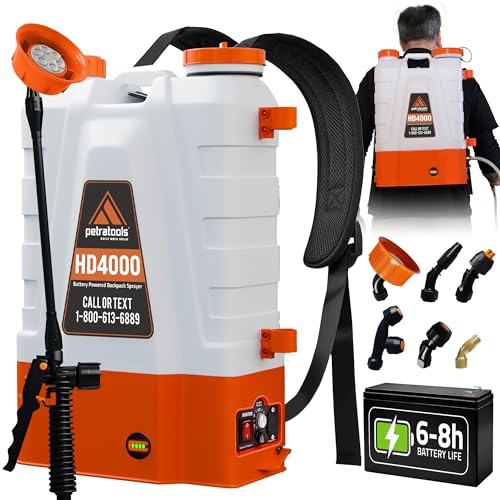
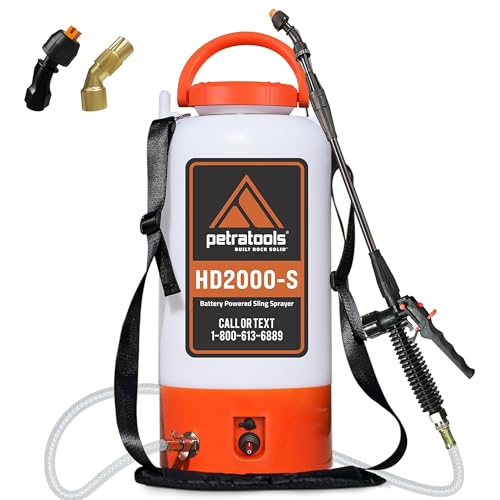
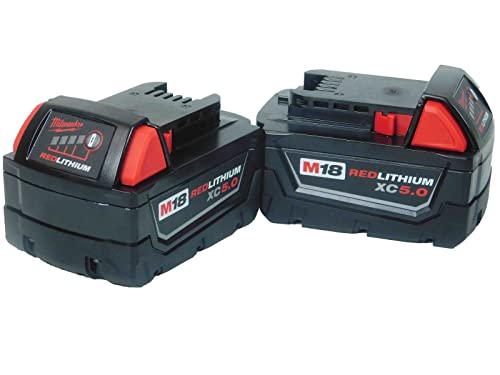
Modern cordless sprayers rely on high-efficiency lithium cells or swappable power-tool battery packs to deliver steady working pressure without sudden pressure drops. Based on our analysis of pump capacity, tank durability, and ergonomic straps, picking the right setup depends on your yard size. Heavy-duty backpack rigs handle high-volume applications, while compact one-gallon tanks offer agile handling around garden borders. Investing in reliable battery voltage, durable Viton seals, and adjustable brass spray nozzles ensures your equipment survives aggressive lawn chemicals without leaking.




Frequently Asked Questions
How long does a single charge last on the best battery powered lawn sprayer in 2026?
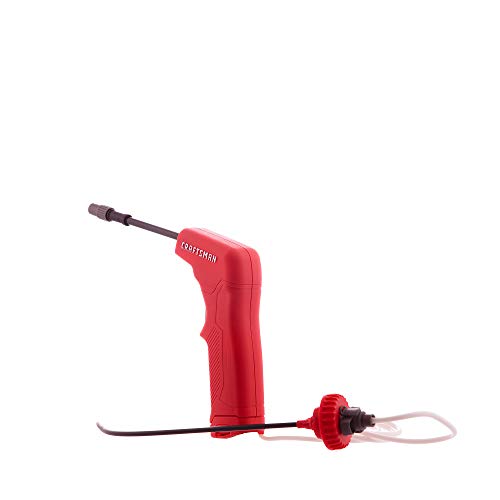
Most modern lithium-ion sprayers deliver between two and six hours of continuous spraying on a single charge. Compact handheld models run for two to three hours using integrated 2000mAh packs. Commercial backpack units with 12V 8Ah batteries can pump over 200 gallons before needing a recharge. That provides plenty of operating time to finish large lawns without pausing.
Can you leave herbicide or fertilizer in the sprayer tank between uses?
No, leaving chemicals inside the tank deteriorates internal gaskets, causes sediment clogs, and damages pump valves. Always flush the system with clean water after finishing your yard application. Running clear water through the wand for thirty seconds clears chemical residue from the nozzle. Proper cleanout protects your equipment longevity just like regular engine care when learning how to prime lawn mower carburetors.
What pump pressure rating is ideal for treating home lawns?
An operating pressure between 40 and 70 PSI provides the best balance of droplet size and drift control for residential lawns. Lower pressure settings around 30 to 40 PSI create larger droplets that reduce chemical drift near flower beds. Higher pressures reaching 90 to 120 PSI work best for driving streams into tall brush or trees. Many top models include stepless pressure dials for customized control.
Is a backpack sprayer better than a handheld tank for yard care?
Backpack models are far better for properties over a quarter-acre because they carry four gallons and distribute the heavy fluid weight across your shoulders. Handheld two-gallon units work best for quick spot-spraying around patios, mulch beds, and walkways where nimble movement matters. Property owners managing large acreage alongside a zero-turn mower under 7000 save substantial time and labor with backpack designs.
How should you store a cordless lawn sprayer over the winter?
Winterize the sprayer by draining all liquid, running an RV antifreeze mixture through the pump, and storing the battery indoors. Freezing temperatures can crack plastic pump housings and damage uninsulated lithium cells left in cold sheds. Maintain the rechargeable battery at roughly fifty percent charge to prevent deep discharge during dormancy. These simple storage habits ensure quick starting reliability when spring weed growth arrives.



Write Your Review
No reviews yet. Be the first to share your experience!