


Uneven cutting deck pitch often traces back to a slow, frustrating tire leak rather than a bent spindle or warped steel. Low tire pressure drops one side of your mowing deck, causing unsightly ragged scalping on lawn ridges and ruined turf striping during peak growing months. Cracked, weather-checked rubber seals let air escape steadily, forcing you to drag out the compressor before every single mowing session. Installing the best lawn mower tire valve stem solves this annoying leak permanently by creating an airtight seal against the wheel rim. High-grade brass cores and durable EPDM rubber collars resist dry rot, engine vibration, and aggressive lawn debris so your mower rolls smoothly across uneven ground.
Based on product specifications and user feedback, standard 0.453-inch rim holes accept short snap-in styles that prevent low-hanging branches from tearing the valve off. Quality replacements withstand steady pneumatic pressure while keeping dirt out of the core during rough yard passes. If you plan routine maintenance or prepare to take apart a lawn mower wheel assembly, swapping out degraded valve stems takes only minutes. Keeping dependable rubber stems in your home workshop ensures your tractor maintains crisp, level cut quality all season long.





Frequently Asked Questions
What size valve stem fits most lawn mower wheels?
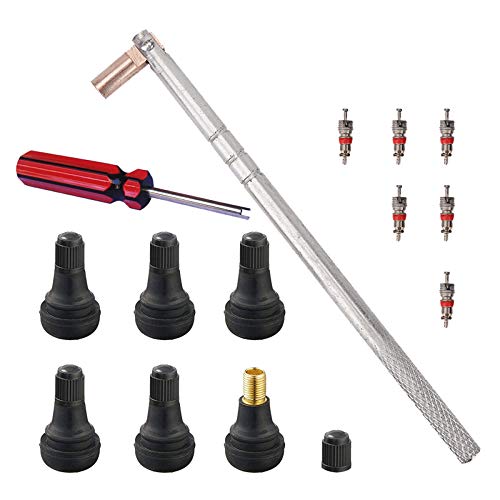
Most riding mowers and lawn tractors use TR412 or TR413 valve stems designed for standard 0.453-inch (11.5 mm) rim holes. The compact TR412 is particularly popular for mower decks and front caster wheels because its short 1.4-inch height avoids catching on sticks, fence wire, or low shrubbery. Larger commercial zero-turn rear wheels can also fit TR413 or TR414 stems, but verifying your rim hole diameter ensures an airtight snap-in fit.
Why does low mower tire pressure cause an uneven lawn cut?
Uneven tire pressure directly tilts the cutting deck, causing scalping on one side and ragged grass tips on the other. When a leaking valve stem drops pressure by even two or three PSI, your mower loses level deck alignment across bumpy turf. Maintaining consistent pressure along with sharp cutting edges like best commercial mower blades delivers smooth, professional striping.
Can you replace a lawn mower valve stem without removing the tire from the rim?
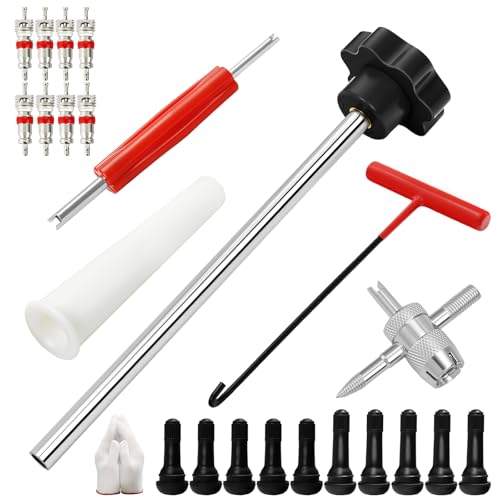
Yes, you can replace a valve stem without dismounting the tire by using a quick-change installer tool kit. Specialty push-rod and tapered tube tools allow you to pull out the old cracked stem and press a fresh TR412 or TR413 stem through the rim hole from the outside once the tire is deflated. This method saves substantial garage repair time and prevents rim scratches during seasonal maintenance on your rotary mower setup.
What causes lawn mower tire valve stems to crack and leak air?
Constant exposure to ultraviolet sunlight, ozone, and seasonal temperature swings degrades standard rubber over time. In addition to weather checking, flying mulch, heavy brush, and deck vibration place mechanical stress on the valve neck. Upgrading to the best lawn mower tire valve stem made from ozone-resistant EPDM rubber with a solid brass core prevents premature hardening and slow leaks.
How often should you inspect or replace mower tire valve stems in 2026?
Inspecting valve stems at the start of each spring mowing season in 2026 is recommended to prevent unexpected flats. If rubber shows visible surface cracks or air bubbles appear when spraying soapy water around the valve base, install fresh stems immediately. Routine seasonal checks keep your machine rolling safely and hold steady tire pressure across tough terrain.
Are TR412 rubber stems better than TR413 for zero-turn mowers?
Short TR412 stems are generally preferable for zero-turn mowers because their low profile stays protected within the wheel rim recess. A longer TR413 stem protrudes farther, increasing the risk of getting snapped off by tree roots, dense shrubs, or landscape edging. Both models share the standard 0.453-inch rim diameter, making TR412 the safer clearance choice for tight obstacle mowing.




Write Your Review
No reviews yet. Be the first to share your experience!