


Mowing multi-acre properties with conventional lawn tractors often turns into a lengthy chore filled with cumbersome three-point turns and missed grass patches. Dual-lever steering controls and independent wheel motors altered residential turf care by allowing operators to pivot 360 degrees without leaving uncut circles. Property managers frequently ask when did zero turn mowers become popular because modern yards seem dominated by these nimble machines. The transition from heavy commercial groundskeeping fleets to suburban garages required decades of engineering refinements, hydraulic advancements, and manufacturing scale. Matching machine capabilities with acreage demands also starts with fundamentals like selecting the right cutting blade to maximize deck vacuum and clipping discharge.
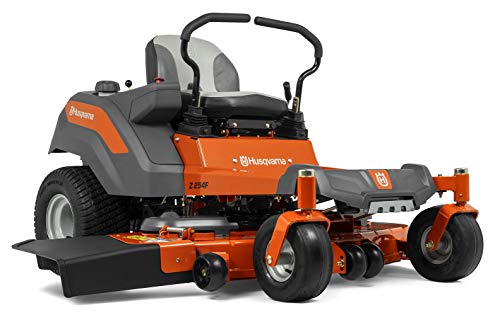
Early riding machines relied on geared transaxles and front-wheel steering linkages that forced wide turns around flower beds and fence posts. Zero-turn equipment solved that fundamental limitation by driving each rear wheel through a dedicated hydraulic circuit. Modern residential models now deliver the rapid ground speeds and close-trimming performance once reserved exclusively for professional golf course and municipal landscape crews. Understanding this historical development clarifies why features like deep-draw decks and twin-cylinder engines matter for residential acreage maintenance today. High-capacity platforms like the Husqvarna Z254F 54 in. 23 HP Kawasaki Zero illustrate how far consumer machinery has advanced from those early industrial prototypes.
Pros
- Exceptional cutting performance with the 54-inch ClearCut deck handles large areas quickly
- Kawasaki engine is known for reliability and strong power delivery
- Hydrostatic transmission provides smooth, effortless speed and direction changes
- Comfortable seat and intuitive controls make mowing enjoyable even for extended periods
Cons
- Higher price point may not suit budget-conscious buyers or those with smaller lawns
- Large size and weight (595 lbs) require ample storage space and may be challenging to maneuver in tight spaces
- Mulching kit and bagger are sold separately, adding to the overall cost
The Husqvarna Z254F is a zero-turn riding mower built for homeowners with substantial lawns who want professional-level efficiency and comfort. With a 54-inch cutting deck and a robust 23 HP Kawasaki engine, this mower is designed to handle large properties quickly and reliably. It's an excellent choice for those who prioritize cutting performance, durability, and ease of operation over budget-friendly options.
In real-world use, the Z254F delivers impressive cutting performance. The ClearCut deck uses a deep design and high-performance blades to create superior air flow, which helps lift grass for a clean cut and improves bagging efficiency. You can choose to discharge clippings, mulch them, or collect them in a bagger (sold separately). The hydrostatic transmission allows smooth, zero-turn maneuverability, making it easy to navigate around trees, flower beds, and other obstacles without constant back-and-forth.
Build quality is a standout feature. The mower's steel frame and heavy-duty components feel solid and durable, ready to withstand years of use on rough terrain. The Kawasaki engine is a well-regarded workhorse, known for its reliability and power. The comfortable high-back seat and ergonomic control panel reduce fatigue during long mowing sessions, while the anti-slip foot area adds a layer of safety.
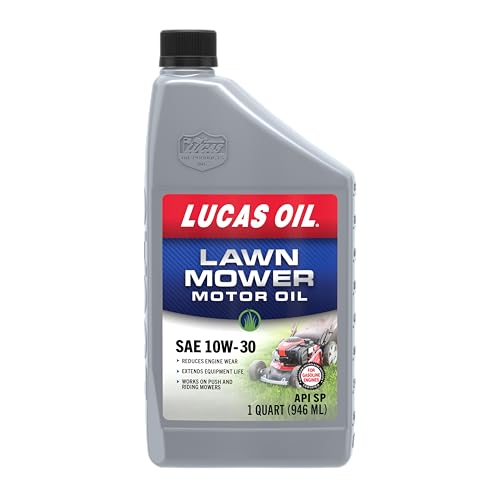
Setup is straightforward, with most assembly requiring basic tools and following the manual. Storage is a consideration due to its size—this mower needs a garage or shed with ample space. Maintenance is manageable: regular oil changes, blade sharpening, and air filter checks are easy to access. The hydrostatic transmission requires no maintenance, which is a nice convenience.
One realistic limitation is the price—at around $3,879, it's a significant investment, and the mulching kit and bagger are extra. Also, its size and weight (595 lbs) may be challenging for those with smaller yards or limited storage. Some users might find the turning radius less tight than smaller zero-turn models, but for large, open lawns, it's not an issue.
Overall, the Husqvarna Z254F is a top-tier choice for homeowners with large lawns who want a powerful, comfortable, and durable zero-turn mower. It excels in cutting performance and ease of use, though the upfront cost and storage requirements may not suit everyone. If you have the space and budget, this mower can make Saturday morning mowing a breeze.
The Historical Shift and Technological Evolution of Zero-Turn Mowers
Commercial popularity emerged during the 1980s, while widespread residential popularity exploded between the late 1990s and early 2000s. The commercial lawn care sector embraced the technology first because cutting around obstacles in a single pass reduced labor expenses significantly. Residential adoption lagged behind by nearly two decades until hydraulic component manufacturers engineered compact, integrated hydrostatic transaxles. That mechanical breakthrough eliminated expensive external fluid lines and made agile zero-turn machinery accessible for suburban acreage owners. Today, property owners view dual-lever machines as standard equipment for efficient large-lot maintenance rather than specialized industrial machinery.
Early Commercial Origins and the Invention of Dual-Lever Steering
The conceptual origin of the zero-turn platform traces back to the mid-1960s when agricultural equipment fabricators sought a solution for cutting around complex obstacles without leaving uncut grass rings. John Regier invented the first true twin-hydrostatic mower in 1964, utilizing independent directional transmissions to steer through counter-rotating drive wheels. Farm machinery manufacturer Hesston quickly acquired the concept, marketing the machines under the Hustler brand to commercial institutions, cemeteries, and parks departments. These early models eliminated the slow three-point turns required by traditional tractor steering linkages. Operators controlled forward velocity, reverse movement, and zero-radius pivoting entirely through two independent steering levers.
Despite the obvious maneuverability benefits, early commercial machines were heavy, mechanically complex, and expensive to produce. Each rear drive wheel required a separate hydraulic pump connected by high-pressure hoses to an individual wheel motor. Maintaining these hydraulic plumbing circuits demanded frequent fluid inspections and skilled mechanical adjustments to prevent leaks and tracking drift. As a result, the technology remained confined to commercial municipalities, golf courses, and specialized industrial landscape operations throughout the 1960s and 1970s. Homeowners during this era continued to purchase front-engine lawn tractors with manual steering boxes and gear-driven transaxles.
The Commercial Landscaping Boom of the 1980s
Professional landscape contractors rapidly expanded across North American suburbs throughout the 1980s, driving intense competition for mowing speed and clean finishes. Commercial crews recognized that reducing trimming time with walk-behind mowers directly increased daily route profitability. Manufacturers like Grasshopper, Dixon, and Scag introduced purpose-built commercial zero-turn mowers that slashed property cutting times by nearly half compared to traditional riders. The ability to spin 180 degrees at the end of a mowing stripe without stopping or shifting gears transformed commercial productivity. Word of mouth among groundskeepers quickly established the zero-turn platform as the industry standard for commercial turf management.
Industrial demand accelerated engineering improvements in deck airflow, spindle durability, and engine cooling during this decade. Fabricated steel decks built from heavy plate steel allowed machines to withstand curb impacts and hidden yard debris without cracking. Blade tip speeds were increased to commercial thresholds approaching 18,000 feet per minute, generating superior suction and clean clipping dispersal. While commercial operators embraced these productivity gains, typical homeowners still lacked access to the platform due to prohibitive retail costs. A commercial zero-turn mower during the late 1980s cost multiple times more than a standard residential lawn tractor.
The Residential Breakthrough in the Late 1990s and Early 2000s
The true consumer explosion occurred between 1997 and the mid-2000s when transmission manufacturers solved the primary cost hurdle. Companies like Hydro-Gear engineered compact, integrated hydrostatic transaxles that combined the hydraulic pump and motor into a single sealed aluminum casing. Eliminating external high-pressure hoses, bulky oil fittings, and separate oil coolers dramatically reduced manufacturing expenses and assembly time. Brands recognized that homeowners managing one to three acres of grass were eager for commercial-grade mowing speeds if retail prices aligned with residential budgets. Consumer-focused zero-turn lines began appearing in big-box home improvement centers and suburban outdoor power equipment dealerships.
Suburban residential developments during this period increasingly featured expansive properties with multiple trees, outbuildings, and irregular fence lines. Standard lawn tractors struggled to cut these landscaped parcels efficiently, forcing homeowners to perform extensive post-mowing string trimming. The availability of entry-level and mid-grade zero-turn models provided a practical solution that reduced weekend yard chores from three hours to under ninety minutes. By the mid-2000s, residential zero-turn sales volumes surged across North America, permanently altering consumer expectations for riding lawn equipment. Homeowners were no longer willing to settle for wide turning radiuses when zero-radius maneuverability was readily accessible.
Powertrain Advancements and Modern V-Twin Engine Reliability
Residential popularity also accelerated because engine manufacturers developed durable, high-displacement V-twin powerplants suited for heavy cutting loads. Early residential tractors frequently utilized single-cylinder splash-lubricated engines that struggled to maintain blade tip speed when traversing dense grass. Modern zero-turn machines rely on pressurized lubrication systems and twin-cylinder configurations that generate smooth torque curves across changing turf conditions. The 23 HP Kawasaki engine found on machines like the Husqvarna Z254F 54 in. 23 HP Kawasaki Zero exemplifies this mechanical shift toward dependable starting and consistent cutting torque. Pressurized engine oiling ensures internal bearings remain lubricated even when navigating moderate slopes or undulating ground.
Increased engine output allows contemporary zero-turn machines to reach forward operating speeds between 6 and 7 miles per hour. That rapid ground speed nearly doubles the pace of conventional lawn tractors, which generally operate between 3 and 4 miles per hour. Maintaining high blade tip velocity at elevated forward ground speeds requires balanced power distribution between the hydrostatic drive pumps and the deck belt drive. Robust electromagnetic power take-off clutches engage mower blades cleanly without causing excessive engine RPM drop. Reliable power delivery ensures clean cutting performance across tough grass varieties such as Kentucky bluegrass, tall fescue, and spreading Bermuda.
Deck Engineering and Deep-Chamber Airflow Dynamics
High forward speeds mean little if a mower deck cannot lift grass blades cleanly and discharge clippings without unsightly clumping. Modern zero-turn mowers incorporate deep deck chambers with sculpted airflow baffles designed to create high-velocity aerodynamic lift. The ClearCut deck on the Husqvarna Z254F 54 in. 23 HP Kawasaki Zero offers a 54-inch cut path engineered with deep baffling to manage large clipping volumes. Superior internal airflow pulls grass blades upright immediately before cutting blades slice through the stems, ensuring a crisp, uniform finish. High-performance blades then direct cut material toward the discharge chute, mulch plug, or collection bagging system.
Deck construction also reflects the evolution from industrial durability to practical homeowner maintenance. While heavy commercial machines rely on welded plate steel, modern prosumer decks frequently utilize optimized stamped or hybrid fabricated steel that maximizes vacuum lift while reducing total machine weight. Anti-scalp gauge wheels mounted along the deck perimeter prevent cutting edges from gouging raised turf crests or uneven lawn contours. Proper deck pitch setup remains essential for preventing double-cutting, with the front blade tips calibrated approximately 1/8-inch to 1/4-inch lower than the rear trailing tips. Maintaining clean deck undersides prevents wet clipping buildup from stalling airflow during humid spring cutting cycles.
Maneuverability, Ergonomics, and Operator Platform Design
Dual-lever steering control represents the defining operational characteristic that separates zero-turn machinery from steering-wheel tractors. Pushing both lap bars forward propels the mower straight ahead, while pulling one lever back causes the opposite drive wheel to pivot the chassis instantly. This intuitive control layout lets operators guide the cutting deck tightly around landscaping borders, garden retaining walls, and mature shade trees. Modern residential platforms feature vibration-isolated steering levers, high-back contoured seats, and anti-slip foot wells to keep operators stable and comfortable. Minimizing physical jarring across uneven acreage prevents lower-back fatigue during extended weekend cutting sessions.
Ergonomic control layouts also centralize ignition switches, throttle levers, deck height pin selectors, and blade engagement switches within comfortable reach. Foot-assist deck lift pedals allow operators to raise the cutting deck instantly when crossing exposed tree roots or gravel access paths. Quick-access removable floor plates provide direct mechanical visibility for inspecting drive belts, tensioner springs, and spindle pulleys without disassembling chassis components. These thoughtful convenience features helped bridge the gap between commercial-grade utility and homeowner-friendly operation. Simple mechanical access empowers property owners to handle basic belt inspections and seasonal cleanouts independently.
Slope Safety Limits and ANSI Stability Standards
Maneuverability on flat ground does not automatically translate to safe operation on steep slopes and drainage swales. Zero-turn mowers feature free-castering front wheels that provide zero directional steering or downhill braking resistance on severe inclines. All machine steering, forward momentum, and braking forces rely exclusively on the rear drive tires maintaining solid contact with the turf. Property owners must respect the industry standard ANSI/OPEI B71.1 safety threshold, which limits wheeled riding mowers to slopes of 15 degrees or less. Understanding equipment boundaries is critical when operating equipment on steep hills to avoid dangerous slides, spinouts, or rollover events.
Moist soil conditions, dew-covered grass, and sudden directional changes dramatically reduce rear-tire traction on slopes. Turning sharply on an incline can cause the uphill wheel to break traction, initiating an uncontrolled downhill swing toward drainage ditches or retaining walls. Operating personnel should mow slopes up and down rather than across faces whenever possible, maintaining steady throttle input without abrupt control lever shifts. Commercial zero-turn models intended for rough acreage often incorporate rollover protective structures with retractable seatbelts for operator security. Residential operators must identify slope angles accurately and deploy walk-behind or specialized equipment when terrain exceeds safe operational thresholds.
Hydrostatic Transmission Durability and Maintenance Realities
Hydrostatic drive longevity directly dictates the operational lifespan and total cost of ownership for any zero-turn machine. Residential machines typically utilize maintenance-free sealed transaxles engineered with internal fluid reservoirs designed for standard homeowner operating hours. The hydrostatic, no-maintenance transmission on the Husqvarna Z254F 54 in. 23 HP Kawasaki Zero provides worry-free drive performance without requiring scheduled hydraulic oil or filter flushes. These sealed units eliminate the mess and technical difficulty of bleeding air from hydraulic lines after routine fluid changes. However, operators must keep external transmission cooling fans clear of accumulated grass clippings to prevent thermal breakdown under sustained summer heat.
Commercial zero-turn mowers, by comparison, feature serviceable transaxles like the Hydro-Gear ZT-3100 or ZT-3400 series equipped with external spin-on filters and metal expansion reservoirs. Serviceable drives permit regular fluid replacements, allowing commercial contractors to log thousands of operating hours over multiple cutting seasons. Homeowners maintaining one to three acres of gentle turf rarely require complex commercial hydraulics, making sealed residential drives a practical and cost-effective solution. Protecting transaxle cases from dirt buildup and avoiding heavy tow-behind loads ensures sealed drives deliver many seasons of trouble-free propulsion. Regular cleaning and sensible usage preserve internal hydraulic seals and motor swashplates over the life of the machine.
Deck Care, Blade Balance, and Underside Maintenance
Clean cutting decks and balanced blades remain fundamental requirements for preserving cut quality and machine efficiency. When moist grass clippings accumulate under the deck shell, internal air circulation collapses and causes severe clumping and ragged stragglers. Homeowners can maintain smooth discharge and resist corrosion by thoroughly scraping deck shells and applying protective mower deck spray before and after seasonal storage periods. These slick barrier coatings discourage sticky grass paste from adhering to raw steel surfaces around discharge ports. Restoring full deck aerodynamic volume allows high-performance cutting blades to generate maximum suction and even dispersion across the lawn.
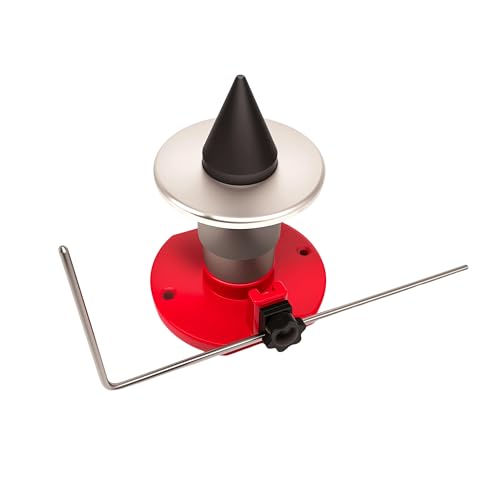
Blade condition also impacts spindle bearing longevity and engine load during heavy mowing operations. Dull or nicked blade edges tear grass tissue rather than cutting cleanly, leaving brown tips that spoil lawn appearance and expose turf to fungal diseases. Operators should inspect cutting blades regularly, sharpening the cutting bevel while maintaining dynamic balance on a cone balancer or balance pin. Reinstalling blades requires verifying proper bolt torque and confirming the raised lift sail points upward toward the deck housing rather than downward toward the turf. Properly maintained cutting hardware minimizes drivetrain vibration, protects spindle assemblies, and ensures the machine delivers commercial-grade aesthetic results.
Sizing Modern Zero-Turn Mowers for Residential Acreage
Selecting the appropriate cutting deck width requires balancing total property acreage against yard choke points like garden gates and trailer ramps. A 54-inch cutting deck, such as the configuration on the Husqvarna Z254F 54 in. 23 HP Kawasaki Zero, suits properties ranging from one to three acres with open mowing lanes. Wider decks significantly reduce mowing duration by covering more square footage per pass while overlapping tracks cleanly. However, property managers must account for total transport width, which includes the deflector chute extending beyond the cutting path. If a yard features standard 36-inch or 48-inch perimeter fence gates, a wide deck machine cannot pass without gate modifications or chute removal.
Storage footprint represents another critical practical factor when transitioning from a standard lawn tractor to a zero-turn platform. Zero-turn chassis designs are typically wider and slightly longer than compact residential tractors, requiring dedicated floor space inside garages or outdoor utility sheds. Buyers should measure doorway openings and storage stalls carefully before taking delivery of a machine with a 54-inch or 60-inch deck. Verifying rear tire clearances, fuel tank capacities, and attachment options like baggers or tow hitches helps tailor the equipment to specific property needs. When properly matched to acreage and storage conditions, a zero-turn mower delivers decades of rapid, precise turf maintenance.
Operational Verification and Final Best Practices
Before initiating the mowing season, operators should conduct a structured pre-start inspection to verify safe mechanical operation. Checking tire pressures across all four wheels provides the foundation for an accurate cut, as low tire pressure tilts the deck and causes uneven cutting heights. Inspecting safety interlock switches beneath the operator seat and steering control levers ensures the engine shuts down automatically if the operator departs while blades are engaged. Verifying that the transmission bypass rods are fully pushed in ensures the hydrostatic drive engages properly when the engine starts. Starting the machine on a flat concrete surface allows the operator to verify that both steering lap bars track straight without wandering.
The popularity of zero-turn mowers grew from a clear engineering objective: cutting mowing time dramatically while delivering commercial-quality turf finishes. From John Regier’s early hydraulic prototype in 1964 to the integrated transaxle revolution in the late 1990s, mechanical innovations transformed these machines into residential staples. Modern homeowners now enjoy commercial-grade speed, intuitive lap bar handling, and deep-airflow decks without the extreme maintenance demands of early industrial equipment. Grounded in reliable powerplants, responsive hydrostatic drives, and ergonomic controls, zero-turn mowers remain the premier choice for property owners seeking fast, immaculate acreage care.






Write Your Review
No reviews yet. Be the first to share your experience!