


Ragged brown leaf tips and uneven turf stragglers often indicate that a mower deck is spinning dull or mismatched cutting steel. Determining what blades cut grass the best depends heavily on matching aerodynamic lift, edge geometry, and deck airflow to your specific turfgrass conditions. High-vacuum suction lifts limp grass blades upright before the cutting edge strikes, resulting in clean scissor-like cuts that heal rapidly and resist fungal pathogens. Property owners exploring our lawn mower blade selection guide will recognize that choosing between high-lift, standard, or mulching designs transforms deck performance.
Different cutting tasks demand distinct blade geometries, whether you require aggressive upward draft for bagging or dual-edge mulching action to pulverize fine clippings. Electric cordless platforms, traditional gas mowers, and manual clearing tools each utilize specialized blade profiles to maximize cutting efficiency without bogging down the powertrain. Understanding the functional differences in blade lift profiles, steel construction, and spindle compatibility ensures crisp cutting lines across every pass.

Pros
- Genuine EGO fit for popular Select Cut mower models like LM2130 and LM2156SP
- High-lift design improves bagging performance and reduces grass clumping
- All-steel build provides solid durability and clean slicing action
- Easy bolt-on replacement, though you'll need to reuse your existing nuts and bolts
Cons
- Only fits the listed EGO 21-inch Select Cut mower models, not other brands or sizes
- Nuts and bolts are not included, so you have to reuse the old hardware
- Genuine part costs more than some generic aftermarket blades, but the exact fit may be worth it
The EGO Power+ High-Lift Bagging Blade Set (model AB2102D) is a genuine replacement component designed for the 21-inch Select Cut mower lineup, including the LM2130, LM2133, LM2130SP, LM2135SP, LM2150SP, and LM2156SP. It is a great option for homeowners who use a compatible EGO electric mower and want to restore or upgrade their bagging performance.
According to the product description, this blade set uses an interchangeable lower blade design that works with the Select Cut multi-blade system. The high-lift shape helps move grass clippings up and back into the bag, which can reduce clumping and leave a cleaner line behind the mower. For late spring growth or fall leaf cleanup, a blade like this may make a noticeable difference.
The blade is made entirely of steel, which means it can handle regular mowing without bending or chipping in typical suburban yard conditions. Because it is a genuine EGO part, the fit is exact for the listed models, and the cutting edge is designed to match the performance of the original equipment. That kind of compatibility takes the guesswork out of a replacement purchase.
Installation involves removing the existing blade and mounting this one in its place. The set does not include nuts or bolts, so plan on reusing the hardware from your current mower. As with any blade work, it is smart to disconnect the battery before servicing and to wear gloves when handling sharp steel. Routine maintenance is simple: inspect the blade for dullness or damage and clean it when debris builds up.
The main limitation here is compatibility. This blade set will not fit other EGO mower models or non-EGO brands, so buyers need to confirm their mower model before ordering. Also, the genuine part costs more than some aftermarket substitutes, but the exact fit and quality control may be worth it for many owners. If you want dependable bagging performance and a clean cut, this blade set is a solid choice for compatible EGO mowers.
The high-lift design of the AB2102D is all about moving clippings quickly through the deck and into the bag. This can help prevent grass from falling back onto the lawn, especially when dealing with thicker or damp grass.
The all-steel body holds a sharp edge well, so it can keep cutting cleanly across multiple mowing sessions. The clean cut also reduces stress on the grass, which may help it recover faster and look greener after each mow.
This blade set is made specifically for EGO Power+ 56-volt Select Cut mowers with a 21-inch cutting deck. Compatible models include LM2130, LM2133, LM2130SP, LM2135SP, LM2150SP, and LM2156SP.
Before placing an order, check your mower model number and confirm that it uses the Select Cut multi-blade system. If you have a different EGO mower or another brand, this blade will not fit properly.
To keep the blade performing at its best, check it regularly for dullness, nicks, or bending. Sharpen the cutting edge with a blade grinder or file when needed, and balance the blade before reinstalling it.
Always disconnect the battery before removing or installing the blade. Use a torque wrench to tighten the blade bolt to the mower manufacturer's specification. Store the blade in a dry place if you need to replace it seasonally.

Pros
- Double-edged serrated blade cuts efficiently on both forward and backward swings
- Long hardwood handle allows clearing of wide areas with minimal effort
- Lightweight and easy to maneuver, even for extended use
- Simple, no-maintenance tool – no engine, battery, or fuel worries
Cons
- Manual operation may require more physical effort compared to power trimmers for large areas
- Hardwood handle may not be as durable as fiberglass under heavy use
- Not effective for woody stems or thick brush – best for grass and soft weeds
The True Temper 2942600 Grass Whip is a solid, no-frills tool for anyone tired of wrestling with overgrown grass and weeds in spots where a mower can't go. It’s designed for those tricky areas — along fences, around garden beds, in ditches, or at the edge of a field. If you’re a homeowner with a small-to-medium yard or a rural property owner looking for a low-cost way to keep rough areas under control, this might be just what you need.
Performance-wise, the double-edged serrated blade does a surprisingly effective job. Each swing cuts on both forward and backward strokes, so you’re clearing more growth with less effort. It handles tall grass and soft weeds without much resistance. You won’t get the same speed as a gas string trimmer, but for small patches or touch-ups, it’s hard to beat the simplicity. No fuel, no noise, no cord — just a sharp blade and some elbow grease.
Build quality is decent for the price. The steel blade feels sturdy enough for regular use, and the 38-inch hardwood handle provides good leverage without being overly heavy. The whole tool weighs just 1.4 pounds, which makes it easy to swing repeatedly without tiring out your arms. The hole in the handle is a nice touch for hanging it up in the garage or shed when not in use.
Setup is essentially non-existent — it comes ready to use right out of the box. Maintenance is minimal: just keep the blade sharp with a file or grinder when it gets dull. There’s no engine to tune, no battery to charge, no gas to mix. For those who prefer a low-maintenance, eco-friendly approach to yard care, this is a real plus.
One realistic limitation is its physical nature. If you have an acre of thick brush, this whip will be slow going compared to a power tool. Also, the hardwood handle might not be as rugged as a fiberglass one if you’re whacking at woody stems or hitting rocks. And for very heavy weeds or thorny brambles, you’ll want something with more bite. But for light-to-medium overgrowth, it does the job.
Overall, the True Temper Grass Whip is a practical, affordable, and effortless way to keep your property’s rough edges tidy. It’s best suited for budget-conscious homeowners, gardeners, or anyone who enjoys a straightforward, no-fuss tool. If you value simplicity and efficiency for small clearing tasks, this whip is worth a swing.

Pros
- Designed for exact fit on Greenworks 16-inch mowers, eliminating guesswork.
- Sturdy one-piece steel build enhances longevity and resists bending.
- Sharp cutting edge promotes efficient grass trimming and a clean lawn appearance.
- Budget-friendly price makes it an economical maintenance item.
Cons
- Only fits specific Greenworks 16-inch models, so it won't work on other mower brands or sizes.
- No warranty information is included in the product details, which may be a concern for some buyers.
- Compatibility must be verified with the mower model before purchasing, as blade fit is critical.
If you own a Greenworks 16-inch corded mower, specifically the 25322 or 25242 model, this replacement blade is a straightforward way to restore your mower's cutting performance. It's designed for homeowners who want an affordable, no-fuss replacement part rather than paying for professional sharpening or a brand-new mower.
The blade's 15.75-inch length is engineered to match the factory specs of these mowers, ensuring the cutting edge sits at the right height and angle for a clean, even trim. The one-piece steel construction helps the blade hold its edge longer, which is especially helpful when mowing thicker spring growth or tackling routine weekly cuts.
One-piece steel forging gives this blade added strength compared to cheaper stamped alternatives. That means it's less likely to bend or deform if you clip a hidden rock or root. For a part that sits close to the ground, having that extra resilience can make a real difference over a full season of use.
Replacing a mower blade is a basic DIY task, and this blade is light enough to handle easily. You'll want to disconnect the spark plug or unplug the mower before swapping it out, then use a socket wrench to remove the center bolt. No special tools or adjustments are needed, so you can get back to mowing in under 15 minutes.
The main limitation is compatibility. This blade is strictly for Greenworks 16-inch mowers that use the 25322 or 25242 platform. It won't fit other brands or different deck sizes, so always double-check your mower's model number before ordering. Also, the product data doesn't mention any warranty, so inspect the blade upon arrival for any defects.
For homeowners who already own one of these Greenworks mowers, this replacement blade is a solid investment in keeping your equipment running well. It's reasonably priced, built to last, and does exactly what it's supposed to do. If you're not sure about compatibility, take a few minutes to measure your current blade before buying.
This blade is specifically designed for Greenworks 16-inch corded mowers, and it fits models 25322 and 25242. The actual blade length is 15.75 inches, which is what these mowers require for proper cutting performance.
Before ordering, verify your mower's model number. You can usually find it on a sticker or plate attached to the mower deck or handle. If your mower is a different model, this blade may not fit properly, so it's always a good idea to double-check.
For those who have purchased a used mower and aren't sure about the exact model, measure the existing blade from tip to tip. If it's close to 15.75 inches, you're likely on the right track, but confirming the model is still the safest approach.
Replacing the blade on your Greenworks mower is a simple job. First, unplug the mower to ensure it's completely off. Tilt the mower on its side with the air filter and carburetor facing up to prevent oil or fuel leaks.
Use a socket wrench to remove the center bolt holding the blade in place. Keep track of any washers or spacers you remove, as they'll need to go back in the same order. Place the new blade with the cutting edges oriented in the correct direction, then tighten the bolt securely.
It's also a good idea to clean the underside of the deck while you're in there. Removing grass buildup and debris will help the new blade work more efficiently and reduce the chance of uneven cutting.
Aerodynamics, Blade Profiles, and Turf Cutting Mechanics
The blades that cut grass the best are those whose aerodynamic lift and cutting geometry directly match your mowing objective and turf density. There is no universal blade that excels simultaneously at bagging wet turf, fine mulching, and clearing tall fibrous weeds. Clean cutting requires sufficient upward air velocity to stand grass blades perpendicular to the spinning edge, followed by a crisp shear that minimizes cell wall tearing. By evaluating lift height, multi-blade configurations, and steel durability, you can tailor your cutting deck to produce pristine turf finishes.
High-Lift Aerodynamics and Bagging Performance
High-lift blades feature prominent curved wings or sails along the trailing edge behind the sharpened bevel. These exaggerated rear baffles act like fan blades inside the deck housing, generating powerful upward vacuum pressure as the spindle rotates. This aggressive suction draws flattened grass shoots upright just microseconds before the sharpened cutting edge passes through them. For manicured residential lawns where clumping cannot be tolerated, high-lift designs deliver the crispest horizontal shear lines.
The elevated airflow produced by high-lift wings is particularly crucial when routing clippings into a discharge chute or rear collection bagger. Systems like the EGO POWER+ High-Lift Bagging Blade Set for 21″ illustrate how specialized bagging profiles sustain air velocity through the deck tunnel to prevent chute clogging. This intense draft helps pack clipping bags densely while leaving the lawn surface free of thatch-building debris. However, this high vacuum requires greater rotational torque from the motor or engine, which can slightly reduce battery runtime or increase fuel consumption in heavy growth.
Standard Medium-Lift and Low-Lift Flat Blades for Diverse Terrain
Standard or medium-lift blades provide a balanced compromise between upward suction and engine power consumption. These factory-installed designs feature modest rear sails that generate enough draft to stand up standard residential turf without overloading smaller horsepower engines. Medium-lift profiles excel at side discharge across regular maintenance intervals on cool-season grasses like Kentucky bluegrass and perennial ryegrass. They create moderate airflow that spreads clippings evenly across the lawn without concentrating them into windrows.
Low-lift blades feature minimal rear curve angles and nearly flat steel bodies designed for dry, sandy, or dusty soils. In arid regions or sandy southern coastal lawns, high-lift blades act like industrial vacuums that pull grit, sand, and small pebbles into the underside of the mower deck. This abrasive particulate rapidly dulls sharp cutting edges, erodes the steel sail, and sandblasts the inner paint coating of the deck shell. Low-lift blades eliminate that aggressive suction, keeping airborne dust down while still providing a dependable cutting plane for drought-tolerant turf.
Mulching Blades, Curved Profiles, and Gator-Style Baffles
Mulching blades rely on complex cutting geometries featuring extended sharpened edges, curved contours, and notched or serrated rear teeth. Rather than expelling clippings out a side chute, a mulching blade suspends clipped grass within the swirling vortex of the enclosed deck chamber. The serrated teeth or gator-style baffles on the trailing edge disrupt horizontal air currents, tumbling the clippings repeatedly back into the central cutting path. Each grass blade is sheared into tiny fragments before falling deep into the turf canopy to decompose naturally.
Successful mulching demands high deck volume and sharp, unblemished cutting edges along the entire length of the blade profile. If a mulching blade becomes dull or encounters wet overgrowth, it tends to mash grass fibers rather than slicing them cleanly. Applying specialized lawn mower deck spray applications helps prevent wet clippings from adhering to the underside baffles, ensuring smooth rotational airflow during intensive mulching cycles. Homeowners managing established lawns often prefer mulching profiles during peak summer months to recycle essential nitrogen back into the soil root zone.
Multi-Blade Systems and Cordless Deck Configurations
Modern walk-behind mowers increasingly utilize stacked dual-blade systems to enhance cutting precision without demanding excessive peak wattage. The EGO POWER+ Select Cut platform is a primary example of this architecture, employing two separate steel blades mounted perpendicularly or staggered on a single spindle arbor. The upper blade acts as a preliminary slicing and agitator wing, while the interchangeable lower blade provides the primary leveling cut and targeted lift characteristics.
This dual-blade configuration divides the mechanical workload between two cutting surfaces, reducing the resistance encountered by each individual edge. In dense stoloniferous turf varieties like Bermuda or St. Augustine, a single heavy blade can cause motor RPM to drop under sudden resistance. Stacked systems maintain continuous blade tip speed by chopping the grass in rapid micro-stages rather than forcing a single piece of steel through heavy growth. This multi-stage slicing action produces remarkably fine clippings while preserving the thermal efficiency of brushless electric motors.
One-Piece Stamped and Forged Steel Durability for Compact Mowers
Dedicated walk-behind mowers operating in standard suburban properties often depend on durable single-piece steel replacements. The Greenworks Replacement Lawn Mower Blade exemplifies this traditional approach, featuring a single-piece steel forging designed specifically for compact 16-inch corded and cordless decks. Stamped and forged from unified steel blanks, these blades deliver exceptional structural rigidity and resist deflection when encountering hidden yard debris.
A compact 15.75-inch blade length requires precise balance because smaller cutting decks operate with tighter rotational tolerances along the inner deck rim. The single-piece construction eliminates joints, rivets, or hardware fasteners that could loosen or vibrate over extended hours of operation. For operators managing modest suburban lots, a dependable one-piece replacement blade offers predictable airflow, straightforward sharpening access, and reliable impact resistance against surface roots and gravel edges.
Manual Grass Whips and Serrated Edges for Dense Overgrowth
Power mowers cannot always access steep drainage ditches, rock-strewn easements, or dense fence lines where heavy vegetation thrives. In these neglected areas, manual cutting blades like the True Temper 2942600 Grass Whip with Double-Edged serrated steel blade provide an effective alternative. Featuring a double-edged serrated steel ribbon attached to a long hardwood handle, grass whips cut fibrous vegetation on both the forward and backward swings.
The serrated teeth on a grass whip slice through tough weed stalks, brambles, and tall pasture grass that would otherwise wrap around a rotary mower spindle and stall the engine. By utilizing momentum and dual cutting edges, property owners can clear retention ponds and narrow perimeter ditches without risking stone strikes or throwing deck drive belts. When paired with high-capacity lawn leaf collection equipment or tow carts, manual brush clearing keeps unmanaged property borders tidy without endangering expensive rotary power equipment.
Spindle Fitment, Arbor Compatibility, and Safe Installation
Selecting the best blade profile is useless if the mounting interface fails to match the spindle arbor of your mower deck. Manufacturers utilize a wide variety of spindle hole patterns, including round center holes, half-moon notches, five-point stars, and six-point star patterns. A replacement blade must match the exact arbor pattern and overall length of your original equipment to prevent rotational slippage or catastrophic spindle failure. Even a millimeter of center-hole clearance slop will cause extreme high-speed vibration that destroys spindle bearings within minutes.
Before servicing or installing cutting blades, always disconnect the spark plug boot on gas mowers or pull the safety key and battery packs on electric units. Wear heavy leather mechanic gloves and wedge a solid block of scrap wood between the blade tip and the inner deck baffle to immobilize the spindle. Verify whether your mower uses standard right-hand threads or counter-rotating reverse left-hand spindle bolts, which are common on multi-spindle zero-turn commercial decks. Always tighten blade retaining hardware with a calibrated torque wrench to the exact foot-pound rating specified in your equipment manual.
Sharpening Angles, Dynamic Balancing, and Edge Longevity
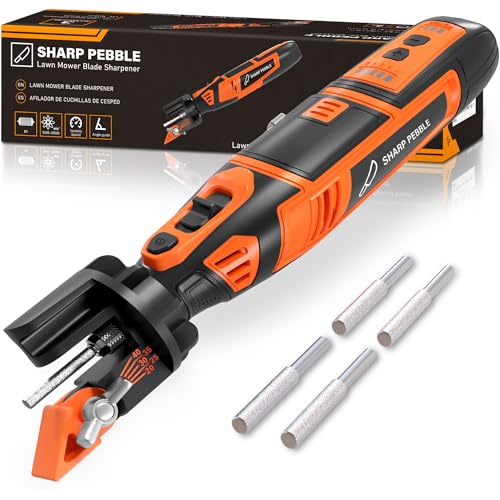
Even the highest-grade steel blade cannot cut grass cleanly if the sharpened bevel is rounded or out of dynamic balance. A proper lawn mower blade edge requires a precise cutting bevel angle of 30 to 35 degrees, maintaining a leading edge roughly the thickness of a butter knife. Sharpening a blade to a razor-thin edge is a frequent operator error that causes rapid edge roll, chipping, and micro-fractures upon the first impact with a twig or dried soil clod.
Dynamic balancing is equally critical after grinding or filing steel from the blade wings. An unbalanced blade spins with centrifugal eccentricity, placing severe radial shock loads on spindle bearings, deck welds, and engine crankshafts. Test your sharpened blade on a cone balancer or horizontal wall peg to verify that neither wing dips lower than the other. If one side drops, carefully grind away tiny amounts of steel from the heavy wing sail, never from the cutting edge itself, until the blade balances perfectly horizontal.
Matching your blade selection to your mowing goals ensures healthy turf, efficient engine operation, and an even lawn appearance. High-lift configurations remain the gold standard for immaculate bagging, while dedicated mulching blades and multi-blade stacked systems deliver fine nutrient recycling across routine cuts. By verifying spindle arbor fitment, inspecting cutting edges regularly, and maintaining proper rotational balance, your mower blades will consistently deliver clean, disease-resistant cuts across every season.







Write Your Review
No reviews yet. Be the first to share your experience!