

Riding mowers and walk-behind units deliver clean cutting swaths across open turf, but obstacles such as fences, foundation walls, and delicate garden borders require specialized secondary equipment. Homeowners and landscaping crews frequently ask is a trimmer the same as a weed wacker when outfitting their equipment trailers or storage sheds. In everyday lawn care terminology, the two terms generally refer to the exact same handheld string-cutting power tool designed to slice down tall grass and weeds in tight spaces. While commercial mowers handle the vast open acreage, matching your primary machine with the right edging and trimming line ensures a crisp lawn perimeter without damaging sensitive structural obstacles. Pairing your cutting schedule with a well-maintained mowing setup and consulting a lawn mower blade selection guide creates a balanced turf management system.
Regional dialects and commercial branding often dictate whether an operator calls this essential tool a line trimmer, weed eater, string trimmer, or weed wacker. However, technical distinctions do arise when comparing standard nylon-line rotary trimmers to dedicated vertical bladed edgers, multi-attachment power heads, or walk-behind wheeled string trimmers. Cordless lithium-ion systems and traditional two-cycle gas engines provide different torque curves, line feed mechanisms, and rotational head speeds that influence trimming efficiency. Reviewing versatile battery-operated lawn tools guide can help clarify how cordless platforms match up against traditional gas-powered handheld outdoor machinery. Understanding these subtle design differences prevents motor bogging, excessive line wear, and unintentional turf scalping around delicate turf perimeters.


Pros
- Compatible with a wide range of Ryobi ONE+ trimmers, making it a versatile choice
- Premium nylon material offers good durability and cutting performance for typical home lawn care
- Jam-free design helps maintain smooth operation and extends trimmer motor life
- Complete kit with storage box keeps spares handy and organized in your garage or shed
Cons
- Line diameter (0.080 inch) may be too thin for heavy-duty or overgrown brush
- Some users may prefer a larger spool capacity to reduce refill frequency
- Compatibility limited to Ryobi models — not suitable for other brands without adapter
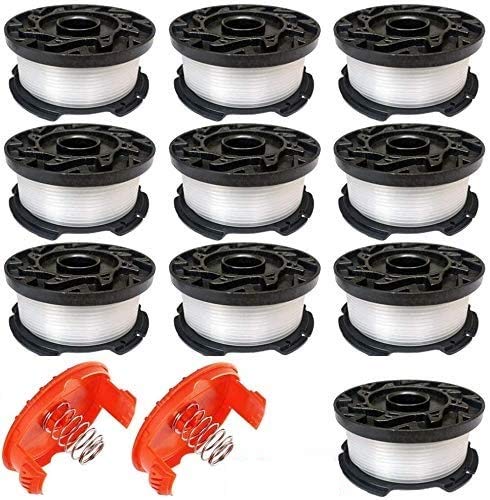
If you own a Ryobi ONE+ cordless string trimmer and are looking for a reliable replacement spool kit, the Eventronic 0.080-inch weed wacker line is a practical choice. This all-in-one kit includes 10 pre-wound spools, 2 cap covers, and a storage box, making it easy to keep your trimmer ready for action. It is designed specifically for Ryobi models, including 18V, 24V, and 40V series, so you can swap out empty spools without hassle.
In terms of cutting performance, the copolymer nylon line holds up well against grass and light weeds. The 0.080-inch diameter is ideal for edging along sidewalks, flower beds, and fences. It may not handle heavy brush or thick vines, but for routine lawn maintenance, it does the job. The machine-wound spools help prevent tangles and jams, which is a common frustration with hand-wound lines. Many homeowners find that the auto-feed system works smoothly, reducing the need to stop and manually advance the line.
The build quality is solid for the price. The ABS spool core is durable enough to withstand the high-speed operation of a trimmer, and the nylon line resists fraying and breaking during normal use. The included cap covers are a nice touch, protecting the spool from debris when not in use. The storage box keeps everything organized in your garage or shed, so you always have a spare on hand.
Setup is straightforward — simply remove the old spool, insert the new one, and thread the line through the trimmer head. No tools are required. Maintenance is minimal; just keep the spool area clean and replace the line when it runs low. The kit is designed for easy storage, with the compact box fitting neatly on a shelf or in a tool bag.
One realistic limitation is the line diameter. At 0.080 inches, it is on the thinner side, which means it may wear faster in heavy-duty trimming. Some users might prefer a thicker line for tougher jobs. Additionally, the spools are specifically for Ryobi models, so they won't work with other brands without an adapter. However, for most homeowners with a Ryobi trimmer, this kit offers good value and convenience.
Overall, the Eventronic replacement spool kit is a solid choice for anyone who wants a hassle-free, cost-effective way to keep their Ryobi trimmer running. It is especially suitable for budget-conscious homeowners who perform regular lawn maintenance and prefer a complete kit that minimizes downtime. If you value ease of use and reliability over heavy-duty performance, this product is worth considering.
The 0.080-inch copolymer nylon line provides consistent cutting for grass and light weeds. It is best suited for edge trimming along driveways, patios, and garden beds. The machine-wound spools help maintain a clean, even feed, reducing the chance of tangling. For thicker vegetation, you might need a heavier line, but for routine yard work, this performs well.
The ABS spool core is sturdy and resists cracking under high-speed operation. The nylon line is flexible yet strong enough to handle regular trimming without frequent breakage. The included cap covers protect the spool from dirt and moisture when stored. Overall, the materials are appropriate for the price point and typical homeowner use.
Designed to fit Ryobi ONE+ 18V, 24V, and 40V cordless trimmers, this kit is a direct replacement for the OEM spool. Installation is simple: remove the old spool, snap in the new one, and thread the line. No special tools or modifications are needed. The auto-feed system works as intended, extending line automatically during operation.
This kit includes 10 spools (each with 11 feet of line), 2 cap covers, and a storage box. That is enough line for many trimming sessions, reducing the need to buy replacements frequently. The storage box helps keep everything organized, which is handy for homeowners who like to keep their gear tidy. Compared to buying individual spools, this kit offers better value per spool.

The Definitive Guide to String Trimmers and Weed Wackers
Lawn care enthusiasts and property owners frequently encounter varied terminology when searching for handheld grass-clearing equipment. The straightforward answer to whether a trimmer is the exact same tool as a weed wacker is yes, provided both descriptions refer to flexible nylon line cutting grass around obstacles. The terms string trimmer, weed wacker, weed eater, and line trimmer are practically interchangeable across North American hardware aisles and landscaping trailers. Confusion primarily occurs because the solitary word trimmer can also describe vertical lawn edgers, commercial hedge shears, or walk-behind wheeled machines.
Distinguishing colloquial brand nicknames from genuine mechanical variations ensures you select the correct cutting equipment and replacement consumables for your turf. Handheld rotary trimmers utilize a rapidly spinning head to whip flexible plastic line through weed stems, tall grass, and light vegetation. Selecting the right line profile and spool mechanism prevents motor stalling while maintaining neat turf borders. Exploring how these tools function alongside primary mowing machinery helps maintain healthy turfgrass across your entire landscape.
Brand Origins and Regional Terminology: String Trimmer vs. Weed Eater vs. Weed Wacker
The term weed eater originated in the early 1970s when Houston inventor George Ballas fashioned pieces of heavy fishing line through holes in a notched metal popcorn can. Attached to an electric edger motor, this invention whipped through grass without damaging tree bark or chipping brick foundations. His commercial brand, Weed Eater, became so widely recognized that the public began using the brand name as a generic label for all flexible line trimmers. This linguistic development mirrors how consumers commonly refer to all facial tissues as Kleenex or all flying discs as Frisbees.
Weed wacker emerged shortly thereafter as an alternative colloquial descriptor coined by competing manufacturers and residential users to describe the distinct whipping sound of spinning nylon cord. The power equipment industry eventually adopted string trimmer and line trimmer as formal, non-trademarked mechanical classifications. Depending on your geographical location in the United States, neighbors might casually alternate between string trimmer, weed wacker, weed whip, and weed eater without intending any technical distinction. Regardless of the casual slang chosen, the underlying mechanical assembly relies on a rotating spindle driving a spool of resilient nylon cutting cord.
Distinguishing String Trimmers from Lawn Edgers and Hedge Trimmers
Clarity becomes essential when the broad word trimmer is applied to dedicated outdoor tools engineered for entirely different horticultural chores. A standard string trimmer holds its cutting head parallel to the turf surface to slice vegetation down to lawn level horizontally. In contrast, a dedicated stick edger utilizes a vertical guide wheel and a rigid rectangular steel blade to carve crisp, deep vertical trenches along concrete sidewalks and asphalt driveways. While many modern string trimmers feature rotating shafts that allow horizontal heads to flip vertically for occasional edging, they lack the structural guide stability of dedicated bladed machines.
Hedge trimmers present another frequent source of linguistic confusion for novice homeowners shopping for lawn equipment. Hedge trimmers utilize dual reciprocating serrated steel blades designed specifically to shear woody shrubbery, ornamental boxwoods, and perennial foliage into uniform shapes. Attempting to chop overgrown woody bushes with a flexible nylon weed wacker will simply fracture the monofilament string and potentially overheat the trimmer clutch. Knowing whether your maintenance task calls for flexible line impact, vertical soil trenching, or reciprocating blade shearing dictates which specific handheld machine belongs in your hands.
Handheld Trimmers Versus Heavy-Duty Walk-Behind Wheeled Units
While handheld weed wackers excel at skimming around fence posts and garden borders, thick acreage clearing demands far more physical leverage. Heavy-duty walk-behind wheeled trimmers bridge the gap between handheld line trimmers and rough-cut field mowers. These walk-behind units feature high-diameter spoked wheels, substantial four-stroke internal combustion engines, and wide steel cutting heads that support extremely thick monofilament line. Handheld units would quickly overheat or snap cord if forced to clear multi-acre brambles, making wheeled string trimmers indispensable on rural estates.
Wheeled walk-behind trimmers routinely utilize heavy lines such as the YWTESCH .170-Inch Heavy Duty Weed Eater String, which features a rugged 0.170-inch diameter. This specialized cord incorporates a dual-color design with a high-strength black inner core surrounded by an orange abrasion-resistant wear layer. The hexagonal twisted profile creates multiple cutting edges that slice dense goldenrod, burdock, and woody briars in a single forward pass. Gas walk-behind trimmers from manufacturers like DR Power, Toro, and Cub Cadet require these heavy lines to handle harsh pasture clearing without continuous stops for manual line reloads.
Cutting Line Diameters and Aerodynamic Profile Engineering
Line diameter dictates the cutting force, motor load, and mechanical efficiency of any string trimmer or weed wacker. Thin cords measuring 0.065 inches are standard on lightweight electric and cordless trimmers, creating minimal aerodynamic drag while slicing through tender grass blades. Medium residential lines ranging between 0.080 inches and 0.095 inches handle tougher dandelions, crabgrass, and medium weed patches on mid-range battery and small two-stroke gas platforms. Heavy commercial lines spanning 0.105 inches to 0.170 inches demand high-displacement gas engines to overcome rotational wind resistance and rotational inertia.
Extruded line profiles also alter cutting velocity and noise generation during high-speed rotation. Basic round lines produce notable whistling air drag and tend to rip rather than slice grass tips, leaving ragged brown edges along lawn borders. Twisted and multi-sided cords, exemplified by the YWTESCH 095 Trimmer Line Heavy Duty Fits Most, utilize a hexagonal twisted geometry with sharp exterior edges. This twisted profile slices cleanly through thick weed stalks on the first rotation while dampening air resistance, which reduces operating noise and limits engine strain across compatible brands like Husqvarna, Echo, and Stihl.
Spool Feeding Mechanisms: Bump Feed, Autofeed, and Pre-Wound Cartridges
Line advance systems govern how rapidly an operator can restore lost cutting length when cord wears down against stone or concrete. Traditional bump-feed heads require the operator to tap a spring-loaded bottom knob against firm turf while running at full throttle to release a measured length of string. Autofeed systems eliminate physical tapping altogether by relying on centrifugal force, internal spool micro-clutches, or electronic motor sensors to advance fresh line automatically as rotational resistance decreases. Fixed-line heads dispense with spools entirely, requiring operators to push short, pre-cut segments of thick line into secure one-way ratcheting clamps.
Winding raw monofilament onto small trimmer spools by hand frequently causes overlapping coils, internal friction binding, and frustrating line feed failures. Factory-wound cartridges solve this problem through precision mechanical spooling, as demonstrated by the 0.065″ Line String Trimmer Autofeed Replacement pack designed for Black and Decker models including the LST136 and BESTA510. This package supplies factory-wound 0.065-inch polyamide nylon line on rugged ABS spools with matching cap covers. Similarly, the 0.080″ Weed Wacker String Replacement Compatible kit provides machine-wound copolymer nylon spools tailored for Ryobi ONE Plus cordless trimmers, ensuring consistent auto-feed extension without manual adjustments.
Powertrain Platforms: Cordless Battery Systems Versus Two-Cycle Gas Engines
Equipment buyers must decide whether a cordless lithium-ion platform or a traditional two-stroke gas engine best suits their property maintenance workload. Gas-powered weed wackers offer long runtime for continuous trimming across multi-acre lots, but they demand precise 50:1 or 40:1 fuel-oil mixtures and routine carburetor care. Gas engines also produce elevated exhaust emissions, substantial hand-arm vibration, and loud decibel levels that necessitate hearing protection. For large rural fence lines without accessible power outlets, gas power remains a common choice due to fast liquid refueling.
Cordless battery trimmers operating on 18-volt, 40-volt, or 60-volt brushless platforms have transformed residential turf care through instant push-button starting, lower noise, and zero tailpipe emissions. Evaluating battery capacity in Watt-hours, calculated by multiplying nominal pack voltage by Amp-hour rating, reveals true energy storage under real trimming loads. Modern brushless motors electronically monitor torque, delivering increased current when encountering dense fescue clumps and throttling down in light grass to conserve energy. When paired with pre-wound spools like the Eventronic Ryobi-compatible kit, cordless trimmers deliver convenient, whisper-quiet trimming that complies with strict suburban noise standards.
Slope Maintenance and Navigating Mower Operational Boundaries
String trimmers serve an indispensable safety role by handling steep banks, retaining walls, and drainage ditches where primary mowers cannot safely operate. Industry safety guidelines established under the ANSI/OPEI B71.1 standard strictly advise against operating standard wheeled riding mowers and zero-turns on slopes exceeding 15 degrees. Attempting to mow steep retention basins or ditch inclines with a zero-turn rider risks downhill traction loss, loss of steering control, and catastrophic machine rollover. Handheld string trimmers allow operators to trim steep hillside vegetation safely while standing firmly on stable, level footing.
Reviewing our mower for steep hills guide highlights why severe slopes demand specialized equipment combinations rather than forcing heavy machines onto dangerous grades. Handheld weed wackers provide the agility needed to sculpt sharp inclines around culverts, decorative landscape boulders, and submerged drainage tiles without gouging turf. When managing rolling properties, commercial operators use wide-deck riding mowers for broad plateaus and dispatch line trimmers to sculpt embankments and pond shorelines. This coordinated equipment division preserves operator safety while preventing costly transaxle strain and mechanical damage on severe grades.
Operating Techniques, Rotational Direction, and Debris Control
Mastering proper trimming technique requires understanding the rotational direction of your machine cutting head. Most curved-shaft string trimmers rotate clockwise, whereas straight-shaft commercial models typically rotate counter-clockwise. When using a counter-clockwise rotating head, the cutting action occurs along the right side of the head, cleanly hurling severed grass clippings and loose debris to the left. Positioning your walking path so the discharge ejects away from flowerbeds, mulched islands, and parked vehicles prevents tedious cleanup chores and eliminates stone chips on delicate siding.
Proper cutting height and steady forward pace prevent unsightly scalping along lawn edges. Hovering the spinning line tips just above the soil line allows the sharpest section of the monofilament to shear grass blades cleanly. Forcing the entire diameter of the head into dense overgrowth causes string dragging, premature line breakage, and motor bogging. Applying a protective coating described in our deck spray application guide to the underside of the trimmer deflector guard helps prevent moist green mulch from caking against the shield, maintaining clear operator sightlines and optimal airflow.
Consumable Maintenance, Nylon Line Hydration, and Shield Care
Nylon trimmer line is a hygroscopic material that absorbs atmospheric moisture to maintain its natural impact flexibility. Storing replacement spools in hot attics, dry garden sheds, or unconditioned garages causes plasticizers to evaporate, making the cord brittle and prone to premature snapping. Placing dried spools in a bucket of clean water or storing them in sealed plastic bags with a damp paper towel restores flexibility within twenty-four to forty-eight hours. Hydrated line flexes on impact with chain-link fences and concrete foundations instead of shattering instantly at the eyelet.
Routine inspection of the trimmer head assembly ensures reliable performance throughout the growing season. Check that the plastic safety deflector remains securely bolted to the lower shaft, as this shield protects the operator while housing the metal cutoff blade that regulates maximum line length. Allowing line to extend beyond the cutoff blade overloads the engine clutch or electric motor windings, leading to premature mechanical failure. Regularly clearing wrapped grass strands from the rotating arbor behind the spool head prevents friction heat that can melt ABS plastic spools and weld nylon line together.
Whether you choose to call your tool a string trimmer, weed wacker, weed eater, or line trimmer, maintaining proper line diameter and quality spools ensures crisp lawn boundaries. Pairing your handheld trimmer with appropriate primary mowing equipment creates an efficient, safe turf care regimen that protects both your property and your machinery. Selecting reliable line profiles and respecting equipment safety boundaries will keep your lawn edges cleanly manicured all season long.


Write Your Review
No reviews yet. Be the first to share your experience!