


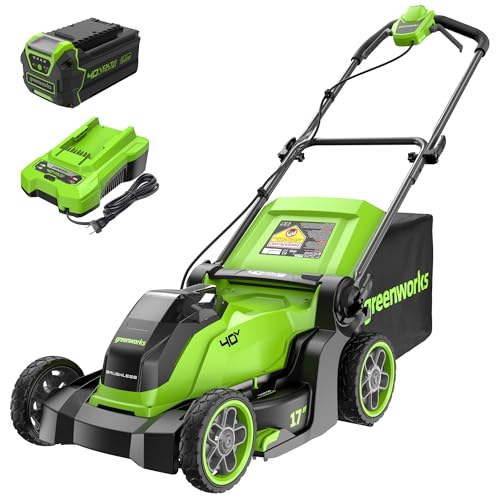
Trimming fence lines, flower bed borders, and tight foundation corners requires maneuvering past obstacles that standard riding mowers and wide cutting decks simply cannot reach. Homeowners trying to budget for outdoor power equipment frequently ask how much is a weed eater when stepping into lawn maintenance for the first time. The total expense depends heavily on the motor design, voltage platform, and battery storage capacity required to slice through dense turf without constant stalling. While pairing reliable string trimmers with efficient cordless electric lawn mowers keeps yard upkeep quiet and emission-free, selecting the wrong trimmer power tier can lead to frustrating thermal shutdowns and wasted money.
Entry-level cordless trimmers serve small suburban lots well, while high-voltage platforms handle overgrown properties that demand sustained cutting torque and wider string lines. Calculating long-term value means looking beyond the initial purchase price to consider replacement lithium battery packs, spool line consumption, and motor transmission longevity. Investing in balanced battery-operated lawn tools helps streamline seasonal cleanup by sharing power cells across multiple machines. Understanding these hardware tiers ensures you select equipment that tackles tough growth cleanly without overspending on commercial capabilities you might never need.


Weed Eater Cost Breakdown: Understanding Trimmer Tiers and Equipment Value
Evaluating how much is a weed eater involves analyzing equipment build tiers, motor transmission capabilities, and the total operational investment needed to maintain clean lawn borders. String trimmers range from compact budget trimmers designed for quick fence line detailing up to heavy-duty cordless and commercial gas platforms engineered for dense undergrowth. Rather than focusing solely on initial acquisition expense, practical buyers evaluate battery pack longevity, cutting width efficiency, and line management systems. Identifying your property layout and grass density ensures you invest in the right tool tier without overpaying for unnecessary commercial power.
Trimmer Classifications and Residential Budget Tiers
Lawn care string trimmers generally fall into three distinct operational categories: entry-level electric trimmers, intermediate high-voltage cordless tools, and heavy-duty commercial equipment. Entry-level models frequently feature direct-drive electric motors powered by compact lithium battery packs or extension cords, catering to homeowners with modest perimeter trimming needs. Intermediate cordless systems incorporate robust battery architecture, such as 40-volt platforms, along with geared transmissions that deliver higher cutting torque through heavy vegetation. Commercial-grade trimmers utilize displacement gas engines or high-output commercial battery packs designed for uninterrupted all-day operation on expansive landscape routes.
Entry-level models like the Electric Weed Wacker Eater Cordless Battery provide accessible options for suburban yards where light trimming along garden beds and walkways is the primary task. Stepping into intermediate cordless territory with tools like the Black+Decker 40V MAX 13 Inch String Trimmer represents an upgrade in sustained cutting power, build materials, and torque delivery. While commercial tools demand substantial capital investments, residential property owners rarely require industrial gas machinery for typical weekend yard grooming. Balancing your specific perimeter footage against these equipment tiers prevents either overspending on excessive equipment or burning out an underpowered tool.
Cutting Swath Width and Motor Velocity Dynamics
The cutting diameter of a string trimmer directly governs how quickly an operator can detail expansive borders and fence lines. A compact 12-inch cutting swath offers nimble maneuverability around tight obstacles, sapling bases, and ornate garden stone edges. Expanding to a 13-inch or wider cutting path significantly reduces the total number of sweeping passes required across broad perimeters, saving both physical effort and battery energy. Selecting the appropriate swath width requires balancing the density of obstacles in your yard against the sheer linear footage of lawn edging you must complete.
Motor velocity and rotational mechanics work in tandem with cutting width to determine overall trimming efficiency. High-speed cutting heads operating at speeds up to 9000 RPM, such as the system found on the HortiHub string trimmer, rely on centrifugal force and rapid line tip velocity to cleanly slice tender grass blades without tearing turf tissue. In contrast, specialized gear-reduction drivetrains, such as BLACK+DECKER PowerDrive technology, amplify motor torque to maintain steady string speed even when plunging into dense, overgrown weed patches. Selecting between high rotational RPM and torque-multiplying gearboxes depends largely on whether your yard features tender turf edges or woody, fibrous broadleaf weeds.
Battery Energy Capacity and Runtime Realities
Cordless string trimmer performance hinges fundamentally on available electrical energy storage, which is accurately quantified in Watt-hours by multiplying pack voltage by Amp-hour capacity. Equipment operating on dual 2.0Ah lithium battery configurations provides roughly 15 to 20 minutes of active trimming time per pack, making them suitable for small suburban properties where tasks are completed in brief intervals. Stepping up to higher nominal voltage platforms, like 40V MAX battery systems, provides denser power delivery capable of driving thicker monofilament line through stubborn thatch without triggering thermal protection circuits. Having an integrated state-of-charge indicator directly on the battery pack eliminates guesswork by displaying remaining energy reserves before tackling distant property lines.
Operating battery power equipment in tough southern turf species, such as coarse St. Augustine, spreading Bermuda, or wiry Zoysia, extracts continuous current that depletes smaller cells rapidly. When managing extensive fence lines or clearing thick ditch growth, having dual interchangeable packs allows one battery to recharge while the other runs on the tool. For homeowners managing broader landscaping duties, investing in cross-compatible power systems like cordless hedge trimmer battery systems and multi-tool toolkits maximizes battery utility across multiple seasonal chores. Planning your battery strategy around continuous workload demands prevents midway work interruptions and extends the operating lifespan of expensive lithium cells.
Line Feeding Mechanics and Consumable Operating Expenses
Line delivery mechanisms represent a major operational factor that influences both trimming convenience and ongoing consumable operating expenses. Traditional bump-feed trimmer heads require the operator to rap the cutting head firmly against the turf to advance line, which can crack plastic housings on hard surfaces over time. Modern automatic line feeding systems, such as the BLACK+DECKER AFS setup, feed fresh monofilament string automatically as centrifugal tension drops, ensuring uninterrupted cutting without manual tapping. Upgraded auto-feed heads on lightweight trimmers release approximately 0.4 to 0.5 inches of line upon startup, with manual push-button increments available when extra line is needed for stubborn brush.
Consumable expenses accumulate steadily over years of lawn care, making spool compatibility an important consideration when evaluating overall trimmer costs. Pre-wound factory replacement spools offer fast, hassle-free installation but carry higher per-foot expenses compared to purchasing bulk spools of commercial-grade line. When loading line onto entry-level trimmers, extending the monofilament string to approximately 6 inches before initial startup prevents internal binding inside the spool chamber. Choosing durable, aerodynamic spiral or twisted monofilament line reduces air drag, dampens operating noise, and minimizes the frequency of line snaps against concrete curbing.
Dual-Function Trimming and Edging Architecture
Purchasing a dedicated walk-behind edger alongside a standard string trimmer can significantly inflate your total lawn maintenance machinery budget. Fortunately, modern 2-in-1 convertible trimmer and edger tools integrate rotating shaft collars or pivoting cutting heads that switch between horizontal grass trimming and vertical trench edging in seconds. This multi-purpose versatility allows homeowners to establish crisp, manicured separation lines along concrete driveways, flagstone sidewalks, and garden boundaries using a single power head. Eliminating the need for a separate edging machine reduces upfront financial outlay while saving valuable storage space in residential garages and tool sheds.
Effective edging requires proper blade guards and guide wheels that support the machine’s weight and maintain a consistent trench depth along paved borders. When flipping the trimmer head vertically, the cutting line strikes soil and concrete edges at high speed, creating abrasive friction that wears down monofilament line faster than normal turf trimming. Premium multi-function trimmers reinforce the safety guard assembly to deflect flying aggregate, loose mulch, and pebble debris away from the operator. Operating a convertible edger with steady, measured forward movement produces clean border definition without bogging down the electric motor against sidewalk edges.
Operator Ergonomics, Machine Balance, and Fatigue Reduction
Total machine weight and structural balance exert a massive impact on operator comfort during extended yard care sessions. Lightweight cordless trimmers weighing around 5.27 pounds significantly reduce strain on the lower back, shoulders, and wrists, making them exceptionally accessible for beginners, seniors, and smaller-framed homeowners. Adjustable auxiliary handles enable operators to customize their grip spacing, optimizing balance to maintain precise control around delicate ornamental plants. When equipment feels balanced in the hands, trimming around fence posts, retaining walls, and tree rings requires far less muscle exertion.
Acoustic comfort is another major operational factor distinguishing modern electric weed eaters from loud, vibrating two-cycle gas engines. Optimized electric motors paired with acoustic-dampening housing structures generate significantly lower noise levels, allowing operators to trim lawn edges early on weekend mornings without disturbing neighbors. The absence of gas fumes, carburetor adjustments, and pull-cord strain provides an effortless operating experience that encourages consistent yard maintenance. Selecting an ergonomically sound trimmer with intuitive trigger controls helps transform exhausting yard labor into a smooth, manageable routine.
Essential Safety Features and Operator Protection Protocols
Safe operation is paramount whenever high-speed monofilament line spins at thousands of revolutions per minute near gravel, soil, and hard obstacles. Quality string trimmers incorporate reinforced safety debris guards designed to block flying pebbles, hard wood chips, and wet grass discharge from striking the operator. Impact-resistant safety goggles, frequently bundled with starter kits, provide essential eye protection against airborne particles kicked up along fence lines and foundation masonry. Operators should also wear sturdy closed-toe shoes, long work pants, and hearing protection to guard against unexpected projectile debris and prolonged motor hum.
Tool-free assembly systems allow homeowners to securely attach guards, guide handles, and shaft couplers without hunting for specialized workshop hand tools. Before undertaking any mechanical adjustments, spool rewinding, or clearing stubborn vine tangles from the cutting arbor, always isolate power by removing the battery pack entirely. Inspecting the cutting head for hairline cracks, loose hardware, or excessive debris buildup before each trimming session ensures safe, reliable operation. Adhering to manufacturer safety instructions protects both the operator and nearby property from accidental debris damage.
Trimming Obstacles, Drainage Swales, and Slope Boundaries
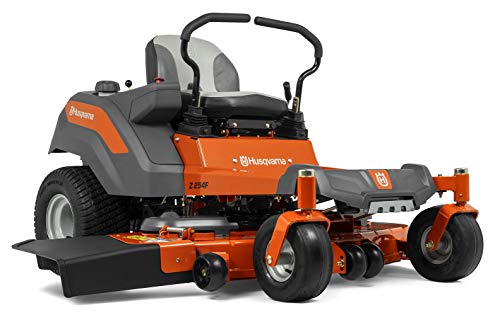
Certain terrain features present physical hazards where riding mowers and walk-behind mowers cannot safely travel. Under ANSI and OPEI safety standards, conventional riding mowers are strictly limited to slopes under 15 degrees to prevent catastrophic downhill slide and rollover accidents. While property managers often deploy specialized mowing equipment for steep hills across wide slopes, narrow drainage swales and retention pond margins are safest to maintain using a lightweight, maneuverable string trimmer. A handheld trimmer provides positive footing and precise control on steep drop-offs where heavy wheeled machinery risks losing traction.
Trimming around steep culverts, utility boxes, and narrow side gates requires deliberate, controlled sweeping passes rather than aggressive swinging motions. Holding the trimmer head slightly tilted ensures that the tips of the monofilament string cut cleanly rather than dragging the entire line length through thick turfgrass. Dragging line into dense mud or thick brush overloads the motor, triggering thermal cutoffs and burning through battery reserves prematurely. By using string trimmers to tackle dangerous drop-offs and tight boundary angles, homeowners keep their properties manicured while keeping heavy machinery securely on flat ground.
Long-Term Ownership Economics and Practical Selection Guidelines
Evaluating the true cost of owning a string trimmer requires looking beyond the register receipt to examine warranty coverage, battery replacements, and storage solutions. Manufacturer warranties, such as a 3-year limited warranty on quality intermediate tools, offer essential peace of mind against motor burnout and defective electronic switches. Convenient storage accessories, including wall-mountable charging stations, save valuable garage floor space while ensuring battery packs remain fully topped off between weekend maintenance sessions. Investing in reputable brands ensures that replacement spools, line trimmer heads, and spare chargers remain readily available for years to come.
For modest residential lots under a quarter-acre with simple perimeter fencing, an affordable, ultra-lightweight trimmer equipped with dual 2.0Ah batteries provides all the cutting capability needed without excess weight. Homeowners managing larger lots, heavy overgrowth, or thick stoloniferous grass varieties benefit substantially from stepping up to high-torque 40V platforms with broader 13-inch cutting swaths. Matching machine voltage, line feeding technology, and total battery capacity to your specific landscape challenges delivers pristine lawn edges, reliable season-long performance, and outstanding long-term value.
Selecting the ideal string trimmer comes down to aligning your property dimensions, terrain obstacles, and physical comfort with the appropriate equipment tier. Whether you choose a compact, lightweight starter kit for quick walkway touch-ups or a high-torque 40-volt system for demanding yard overgrowth, focusing on battery efficiency and durable construction ensures lasting satisfaction. Proper maintenance, including regular arbor cleaning and prompt spool line replenishment, preserves peak cutting velocity season after season. Understanding these core equipment capabilities empowers you to make an informed investment that keeps your outdoor spaces impeccably maintained.






Write Your Review
No reviews yet. Be the first to share your experience!