


Overgrown perimeter shrubbery and tangled branch growth quickly detract from a well-kept yard. Homeowners frequently struggle with tools that jam on woody stems, lack adequate cutting reach, or cause severe forearm fatigue after just a few minutes of overhead shaping. Understanding how to choose a hedge trimmer requires looking closely at blade lengths, branch cutting capacities, and power sources to ensure the tool matches your landscape requirements. Investing in matching cordless battery lawn tools can streamline seasonal yard maintenance, provided you select an ergonomic platform suited for your trimming volume.
Modern handheld tools range from compact shears designed for decorative topiary to full-length trimmers built to slice through thick privacy screens. Evaluating specifications such as dual-action steel blades, motor wattage, and cutting tooth spacing helps prevent stalled motors and uneven foliage damage. Selecting the right balance of weight and cutting reach also protects your shoulders and lower back during extended trimming sessions. Taking time to inspect your hedge species and average branch caliper ensures you acquire a machine that handles routine trimming without bogging down.


Pros
- Extremely lightweight and easy to handle, perfect for small trimming tasks
- Quick blade swap between grass shear and hedge trimmer for versatile use
- Safety lock system adds extra protection, especially for beginners
- Rechargeable battery with indicator eliminates cord hassles
- Affordable price point for budget-conscious homeowners
Cons
- Only cuts branches up to 0.31 inch thick, limiting use to light trimming
- Battery runtime may be insufficient for larger yards or heavy-duty jobs
- Plastic build may not withstand heavy drops or rough handling
The SnapFresh Cordless Grass Shear Bush Trimmer is a compact 2-in-1 handheld tool designed for light trimming tasks around small yards, gardens, and flower beds. It combines a grass shear blade and a hedge trimmer blade in one unit, making it a practical choice for homeowners who need quick touch-ups without dragging out a full-sized trimmer.
Performance-wise, this trimmer is powered by a 7.2V motor that spins at 1100 RPM, paired with sharp 65Mn steel blades. According to product specifications, it can cut branches up to 0.31 inch (8mm) thick. That's suitable for light grass trimming, shaping small shrubs, and tidying up edges. For thicker growth, you may need a more powerful tool. The cutting action is clean on soft stems and grass, but it may struggle with woody stems near the limit.
Build quality focuses on lightweight convenience. The body is mostly plastic, which keeps the weight down to just 1.05 lbs. The TPR non-slip handle feels comfortable in hand, and the dual safety lock system is a nice touch—you need to press a safety button before pulling the trigger, reducing the chance of accidental starts. The battery is built-in and rechargeable via the included charger, with a level indicator to show remaining charge.
Setup is straightforward: charge the battery, attach the desired blade, and start trimming. Storage is easy thanks to its small size—it can fit in a garage drawer or garden shed without taking much space. Maintenance involves keeping the blades clean and occasionally lubricating them. The battery life is adequate for small yards; expect around 30-40 minutes of continuous use on a full charge, depending on load.
One realistic limitation is the cutting capacity. If you have overgrown hedges or thick branches, this trimmer won't handle them. It's best for regular light maintenance. Also, the plastic construction means it may not survive a drop onto hard pavement. Some users might prefer a model with a longer runtime for larger areas.
Overall, the SnapFresh Cordless Grass Shear Bush Trimmer is a good pick for apartment dwellers with small patios, homeowners with modest flower beds, or anyone needing a quick, easy trimmer for light yard care. It's affordable, safe, and convenient—just don't expect it to replace a full-size hedge trimmer or string trimmer for heavy work.
The SnapFresh trimmer uses a 7.2V motor and 65Mn steel blades to cut through grass and small branches. The grass shear blade is 3.25 inches wide, ideal for edging and trimming lawn edges. The hedge trimmer blade is 5.5 inches long, suitable for shaping small shrubs and bushes. Maximum cutting thickness is 0.31 inch (8mm). For light, regular trimming, this tool performs well. It may bog down on thicker or woody stems, so it's best for soft growth and maintenance cuts.

Practical Engineering and Selection Guide for Hedge Trimmers
Matching mechanical cutting capability with the physical density and scale of your landscaping protects hedge health and prevents equipment damage. Shrub varieties with woody, thick stems demand high motor torque and wide tooth spacing, whereas softer ornamental foliage requires rapid blade oscillation for crisp lines. Tool weight, grip geometry, and blade balance dictate how long an operator can work without muscle strain. Factoring in these mechanical parameters ensures you choose a tool that finishes the job cleanly without overloading the motor.
Evaluating Power Platforms and Battery Voltage Classes
Cordless battery trimmers have largely supplanted small two-stroke gas engines for residential hedge shaping. Compact handheld grass shear units typically run on internal 7.2V lithium-ion cells, delivering nimble maneuvering for small perennials and delicate shrub borders. Dedicated hedge trimmers rely on 20V or 21V battery architectures that drive higher wattage motors capable of tackling denser branch structures. Selecting the right voltage platform depends on whether you need fine topiary detailing or relentless cutting force through mature privacy hedges.
Battery energy capacity directly affects work sessions and continuous cutting performance. Cordless models with integrated batteries offer simple recharging, while modular tool systems let you swap battery packs between multiple garden tools. Running a battery continuously under heavy cutting friction generates thermal resistance, which can diminish output if the motor bogs down. Understanding cordless tool battery lifespan helps operators manage charging cycles and maintain optimal performance across multiple growing seasons.
Corded electric trimmers provide continuous runtime at the expense of tethered maneuverability, which introduces the constant hazard of cutting through extension cords. Gas units generate high cutting speed but carry the penalty of heavy engine vibration, exhaust emissions, and routine carburetor maintenance. Modern 20V and 21V cordless motors provide an effective middle ground, giving operators clean cutting action and zero cord hassles. For most residential properties under an acre, cordless battery platforms deliver more than enough torque and runtime to complete perimeter trimming.
Blade Length, Bar Reach, and Hedge Geometry
Blade length establishes both your single-pass cutting swath and the reach you can attain without stretching dangerously across ladders. Short blades measuring around 5 inches excel at close-quarters detail work, tight shrub contours, and precise edge cleanup where a long bar would feel clumsy. Longer cutter bars spanning 20 to 22 inches allow you to produce flat, uniform hedge tops and broad side panels with minimal sweeping passes. Matching the blade length to your shrubs ensures you maintain crisp, level geometric lines across your entire property.
Wide hedges require longer cutter bars to reach the center of the foliage canopy from a single standing position. Attempting to trim a four-foot wide hedge with a miniature shear blade results in uneven stepping marks and jagged foliage cuts. Conversely, swinging a 22-inch cutting bar inside tight landscaping beds between delicate flowers risks lopping off desirable plantings. Assessing the average depth and height of your shrub rows indicates whether a specialized detail blade or a long reach bar provides the best utility.
Leverage and physical fatigue also correlate directly with cutter bar length. Extended steel bars position the center of gravity further forward, which multiplies torque on your wrists during horizontal cuts. Compact handheld trimmers keep the weight concentrated close to your palm, making them easy to guide for delicate shaping. If your landscape contains both tall privacy borders and miniature boxwoods, a multi-tool setup or a balanced mid-length trimmer delivers the greatest versatility.
Cutting Capacity, Tooth Gap, and Dual-Action Blades
Cutting capacity defines the maximum branch thickness that can safely pass between adjacent teeth on the cutter bar. Compact shears and detail bush trimmers feature narrow tooth gaps engineered for stems up to 0.31 inches, making them ideal for soft annual growth and tender greenery. Heavy-duty trimmers feature tooth spacing capable of slicing branches up to 3/4 inch thick. Forcing a trimmer with a small tooth opening into mature hardwood branches will stall the gear drive and damage the cutting teeth.
Blade design also affects cutting smoothness and vibration transfer to the operator. Single-action trimmers move one reciprocating blade against a stationary anvil bar, which generates noticeable recoil and can chew rather than slice stems. Dual-action blades employ two opposing steel blades moving in synchronized counter-reciprocation, which cancels out harmonic vibration by up to 40 percent. This opposed cutting motion cleanly shears through woody fibers, leaving smooth branch tips that resist browning and fungal infection.
Blade material quality dictates how long cutting edges remain sharp against abrasive bark and dirt. Hardened steel alloys, such as 65Mn spring steel, resist edge rolling and maintain clean cutting geometry across thousands of cycles. Stamped non-hardened blades dull quickly when cutting fibrous branches, leading to crushed foliage and torn bark. Checking manufacturer specifications for hardened dual-action steel blades ensures clean hedge health and minimal mechanical vibration.
Tool Weight, Ergonomic Grips, and Operator Fatigue
Total tool weight determines how long you can comfortably trim before arm fatigue ruins your precision. Ultra-lightweight handheld grass shears weigh just over 1 pound, allowing virtually effortless one-handed control for garden borders and low ornamental bushes. Larger 20V battery-powered trimmers typically weigh between 5 and 7 pounds with the battery pack installed. While heavier tools pack greater cutting momentum, they demand balanced physical handling during sustained overhead or vertical trimming passes.
Handle architecture plays a pivotal role in maintaining control across varied cutting angles. Wrap-around front auxiliary handles allow you to shift your grip seamlessly when transitioning from flat horizontal tops to vertical hedge faces. Full-length triggers with textured rubber overmolding reduce localized hand pressure and eliminate awkward finger pinching during continuous operation. A comfortable, shock-absorbing grip isolates motor pulses from your joints, preventing wrist fatigue during extended weekend yard cleanup.
Mechanical balancing assists can dramatically ease physical strain for specific trimming tasks. Some trimmers incorporate detachable ground wheels or roller pulleys, enabling you to guide the cutter smoothly along lawn edges without carrying the full tool weight. Anti-slip thermoplastic grips provide secure traction even when working in humid conditions or wearing thick leather garden gloves. Choosing a tool with well-distributed mass keeps the cutting bar steady, resulting in uniform, professional hedge profiles.
Multi-Functional 2-in-1 Systems and Quick-Change Attachments
Multi-functional 2-in-1 trimming systems provide exceptional utility for properties with diverse garden features. These versatile tools combine a narrow grass shear blade with an interchangeable shrub trimmer bar on a single motorized powerhead. You can clip tight turf edges around sprinkler heads and garden edging stones, then switch attachments to sculpt ornamental bushes. This modular capability minimizes equipment clutter in your garden shed while lowering overall tool ownership expenses.
Blade swapping mechanisms should operate smoothly without requiring specialized workshop tools. Quick-release detent buttons and tool-free slide latches let you interchange cutting heads in seconds between trimming tasks. Detachable blade assemblies also simplify routine maintenance, making it easy to wipe away resin buildup, apply blade oil, and inspect drive gears. Ensuring the attachment interface locks securely prevents blade detachment or dangerous drive slip under load.
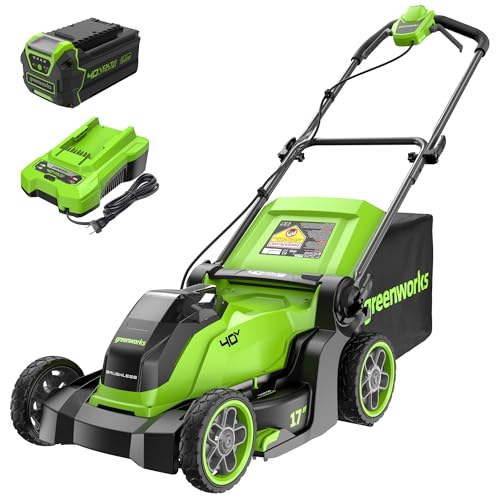
Integrating hedge care with broader yard maintenance creates a cohesive, tidy outdoor space. Just as careful cordless electric lawn mower selection establishes crisp turf boundaries, matching shrub trimmers keep vertical perimeter borders clean. Coordinated outdoor power tools allow you to switch efficiently between mowing lawns, edging turf borders, and leveling hedge foliage. Selecting reliable modular tools ensures your landscaping chores remain manageable and satisfying throughout the growing season.
Safety Mechanisms and Accidental Activation Protection
High-speed reciprocating steel blades demand robust, fail-safe safety features to protect operators from injury. Modern trimmers utilize dual safety switch interlocks that require two separate physical inputs before the motor will engage. The operator must depress a safety lock button before pulling the primary trigger, preventing accidental starts when picking up the tool or setting it down. Once the trigger engages, the safety lock can be released for comfortable, continuous operation.
Physical barrier protection is equally critical for guarding the operator and preserving cutting components. Rigid plastic blade scabbards shield sharp teeth during transport and prevent accidental cuts when reaching into storage cabinets. Some cutting bars feature rounded safety tooth tips that extend beyond the cutting edge, reducing snag risks on wire fences and stone walls. Low-noise electric motors also enhance operator situational awareness by allowing you to hear ambient sounds and footsteps while trimming.
Personal safety protocols must complement built-in tool protections during every yard care session. Always wear wrap-around safety glasses to deflect flying twigs and debris ejected by the oscillating cutter bar. Heavy leather work gloves protect hands from thorns, sharp woody splinters, and inadvertent blade contact during debris clearing. Disconnecting the battery pack before untangling caught branches or inspecting cutting teeth guarantees the drive motor cannot cycle unexpectedly.
Blade Care, Lubrication, and Storage Protocols
Proper maintenance preserves cutting efficiency and extends the operating lifespan of any hedge trimmer. Plant sap, moisture, and fine organic debris accumulate rapidly between reciprocating blade surfaces, creating gummy friction that overtaxes the electric motor. Applying a light aerosol tool lubricant or biodegradable resin solvent after each work session dissolves sticky residue and shields bare steel from rust. Regular lubrication minimizes gear friction, keeps operating temperatures low, and preserves battery runtime.
Cutter teeth require periodic edge inspection to ensure they slice branches cleanly rather than tearing plant tissue. A flat diamond file or fine sharpening stone run along the factory bevel angle easily restores dull cutting surfaces. Always file away from the blade body toward the cutting edge, taking care to maintain the original tooth profile. Removing small metal burrs prevents adjacent blades from binding together, maintaining effortless reciprocating motion across the entire cutter bar.
Proper off-season storage prevents moisture degradation and preserves lithium battery chemistry. Store trimmers in dry, temperature-stable sheds or garages, preferably inside dedicated hard-shell cases to protect blades from dust and impacts. Lithium-ion batteries should be stored indoors at moderate temperatures with approximately half their charge level rather than left completely depleted. Following these basic care practices ensures your trimmer delivers dependable cutting power whenever active plant growth resumes.
Balancing branch caliper, cutter bar reach, and ergonomic comfort guides you toward the ideal hedge trimmer for your landscape. Compact handheld shears effortlessly maintain delicate topiary and garden edges, while longer dual-action trimmers conquer dense perimeter hedges with minimal fatigue. Prioritizing hardened steel blades, reliable dual safety interlocks, and compatible battery platforms ensures long-lasting yard care performance. By investing in a tool tailored to your landscape volume, you can maintain immaculate hedges with complete confidence.



Write Your Review
No reviews yet. Be the first to share your experience!