


Using a garden edger correctly involves positioning the blade at the soil line and applying steady, downward pressure to create a crisp border between turf and hardscapes. The how to use a garden edger tool process is straightforward but requires attention to blade angle and body posture to avoid back strain and uneven cuts.
Most manual edgers, whether half-moon shovels or wheeled rotary models, rely on gravity and user weight rather than mechanical power to slice through sod and compacted soil. Getting the technique right ensures a professional finish that persists through regular mowing cycles without the grass quickly encroaching on walkways or flower beds.
Many homeowners struggle with jagged edges or fatigue when edging large properties, often due to improper handle height or aggressive pulling motions. The available options range from fixed-length tools to adjustable models that accommodate different user heights, which is critical for maintaining proper leverage.
If you are also managing mowing tasks, our cordless mower guide offers insights into pairing edging with regular turf care. Understanding the specific mechanics of your edger, from footplate width to blade material, helps you apply force efficiently and safely, reducing the physical toll of yard maintenance.
Pros
- Comfortable T-handle reduces strain on hands and back during prolonged use
- Serrated blade delivers clean cuts in tough soil and overgrown edges
- Rust-proof steel and water-resistant coating enhance durability in outdoor conditions
- Comes with a pair of gloves, adding value for the price
Cons
- Manual edging requires physical effort, which may not suit users with limited strength
- Blade may need occasional sharpening to maintain cutting performance
- Not ideal for large lawns or heavy-duty landscaping projects due to its hand-powered design
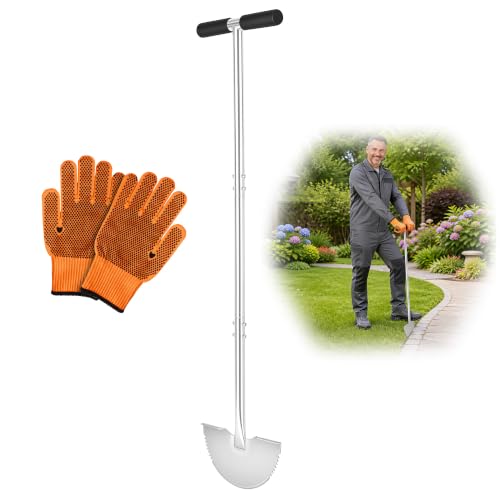
The KYEEN-TOOLS Serrated Edger Lawn Tool is a manual half-moon shovel designed for homeowners who want crisp, defined edges along lawns, sidewalks, and garden beds. With a 38-inch ergonomic T-handle and a serrated steel blade, this tool reduces the need for bending and makes edging less strenuous on the back. It is especially suited for budget-conscious shoppers, apartment dwellers with small yards, or anyone who prefers a quiet, no-fuel approach to lawn maintenance.
In terms of performance, the serrated blade is a standout feature. Unlike flat-blade edgers, the serrations help grip and cut through tough grass roots and compacted soil, making each step more effective. The wide footrest gives you the leverage to push the blade into the ground with consistent depth, creating clean lines quickly. While it takes some practice to get straight edges, the results are reliable for most residential edging needs.
Build quality is solid for the price point. The blade is made from rust-proof steel with a protective coating, which helps resist moisture and soil acidity. The handle feels sturdy, and the T-grip is padded enough for comfortable use during longer sessions. Many users may appreciate that the tool comes with a pair of work gloves, so you can start edging right away without extra purchases.
Setup is minimal – the tool arrives fully assembled, and storage is straightforward thanks to its compact size. It can hang on a garage wall or lean in a shed corner without taking up much space. Maintenance mainly involves rinsing off soil after use and occasionally sharpening the serrated edge to keep it cutting well. Since there are no moving parts, engines, or batteries, upkeep is almost negligible.
One realistic limitation is the physical effort required. Manual edging works well for small to medium lawns, but if you have a large property with long sidewalks or extensive flower beds, this tool might become tiring. Also, the serrated blade may need resharpening after heavy use, though many homeowners may find it holds an edge for several seasons with proper care.
Overall, the KYEEN-TOOLS Serrated Edger is a practical, affordable choice for DIY lawn care. It delivers on its promise of cleaner edges with less back strain, and the rust-proof construction adds confidence for outdoor storage. For homeowners who enjoy hands-on yard work and want a reliable tool for weekend edging projects, this half-moon shovel is worth considering.
Pros
- No gas or electricity needed – eco-friendly and quiet operation
- Heavy-duty carbon steel blade for cutting through tough soil and roots
- Easy to assemble with minimal effort
- Ergonomic T-handle and wide footplate reduce strain on back and knees
- Compact storage and lightweight design for easy carrying
Cons
- Manual effort required – may not be suitable for large properties or very hard, compacted soil
- Step-and-press design requires some practice for perfectly straight lines
- Blade may need occasional sharpening for optimal performance over time
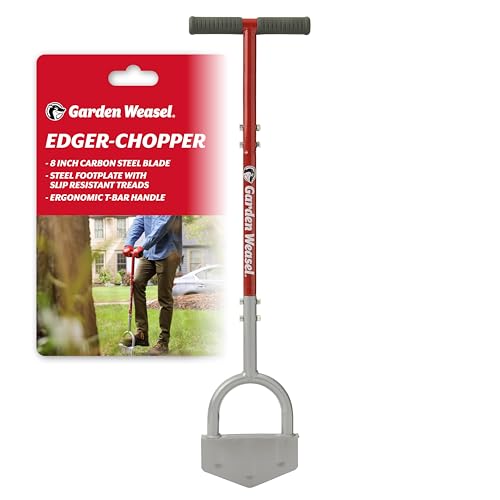
The Garden Weasel Edger Chopper is a manual lawn edging tool that brings simplicity and precision to garden bed maintenance. Designed for homeowners who want crisp borders without the hassle of gas or corded tools, this edger suits small to medium lawns, flower beds, sidewalks, and patio edges. Its step-and-press mechanism makes it accessible to first-time buyers and budget-conscious shoppers alike.
In real-world use, the 8-inch carbon steel blade slices through sod, compacted soil, and small roots with reliable power. The slip-resistant extra-wide footplate provides leverage so you can edge and trench without bending over. Many users find that a simple push-and-step motion creates clean, defined borders that rival power edgers. For typical suburban yards with moderate soil, performance is consistent and satisfying.
Build quality centers on a rust-resistant carbon steel frame and a tempered blade that holds up to regular use. The ergonomic T-handle offers a comfortable grip, reducing fatigue during longer edging sessions. While not intended for heavy clay or rocky terrain, the construction feels solid and durable for routine garden prep. The tool assembles quickly from its compact shipping pieces, so setup is nearly effortless.
Setup involves attaching the handle to the blade assembly with minimal tools. Storage is simple – the tool stands upright or hangs on a hook, taking up little space in a garage or shed. Maintenance mainly involves cleaning the blade after use and occasional sharpening to maintain cutting efficiency. The manual operation means no batteries to charge or engines to service.
A realistic limitation is that this tool works best for edging along existing borders rather than creating entirely new trenches. It may struggle with extremely hard, dry, or rocky soil. The step-and-press design also requires a bit of practice to maintain straight lines, especially around curves. For large lawns or extensive edging projects, a power edger might be more efficient.
Overall, the Garden Weasel Edger Chopper is a practical buy for homeowners who value quiet, eco-friendly, and low-maintenance yard work. It excels at keeping flower beds and walkways looking sharp without the cost or noise of gas tools. For small to medium yards and budget-conscious users seeking reliable manual edging, this tool delivers solid results.

Pros
- Heavy-duty steel blade and construction handle tough soil and roots without bending or breaking
- Adjustable handle height allows comfortable use for different user heights, reducing strain
- Wide footplate provides good leverage, making it easier to cut through compacted ground
- Quick and simple assembly with included tools—no complicated setup needed
- Multi-purpose design works for edging, trenching, and light snow clearing
Cons
- Manual operation requires physical effort; may not be suitable for large areas or very hard, rocky soil
- Some users might prefer a sharper initial edge; blade may need occasional sharpening for best performance
If you're looking for a straightforward, no-fuss way to keep your lawn edges looking sharp, the HANGMAICOME Half Moon Edger Lawn Tool is worth a look. This manual edger is designed for homeowners who want clean borders along driveways, sidewalks, flower beds, and patios without the hassle of gas or electric equipment. It's especially suited for those with small to medium-sized yards who prefer a simple, budget-friendly tool that doesn't require fuel, batteries, or cords.
Based on product specifications and user feedback, the saw-tooth blade is the standout feature here. It's designed to cut through grass, sod, and soil with a clean, sawing motion, reducing the jagged edges you might get with a straight blade. The heavy-duty steel construction is built to handle up to 400 lbs of force, so it can tackle compacted dirt and stubborn roots that often trip up lighter edgers. This makes it a practical choice for maintaining crisp lines along hard surfaces like concrete or asphalt.
The build quality appears solid, with a rust-resistant stainless steel blade and a sturdy T-handle that provides good grip and control. The wide footplate is a nice touch—it gives you a stable platform to press down on, so you can apply force more efficiently without slipping. The adjustable handle, ranging from 38 to 49 inches, is a thoughtful addition for users of different heights, helping to keep your back and knees in a comfortable position while you work.
Assembly is straightforward, with all necessary tools included. You simply screw the poles together and tighten the screws—most people can have it ready in under 10 minutes. Storage is easy too, as the tool can be hung on a wall or leaned in a corner of the garage or shed. Maintenance is minimal: just wipe the blade clean after use and occasionally sharpen it to maintain cutting performance.
Of course, this is a manual tool, so it requires physical effort. For large lawns or extremely hard, rocky soil, you might find it tiring or less effective than a powered edger. Some users may also find the blade needs a bit of sharpening right out of the box for the best cut. But for routine edging around flower beds, walkways, and driveways, it does the job well without the noise or emissions of gas-powered alternatives.
Overall, the HANGMAICOME Half Moon Edger is a reliable, affordable choice for homeowners who want a simple, durable edging tool. It's particularly good for those with small to medium yards, budget-conscious shoppers, and anyone who prefers manual tools for quiet, eco-friendly yard maintenance. If you're looking to keep your lawn borders neat without spending a lot or dealing with complex equipment, this edger is a solid pick.


Pros
- Affordable price point for homeowners seeking a simple manual edging tool.
- Adjustable handle fits multiple user heights, improving comfort during extended yard work.
- Wide footplate provides stability and helps transfer body weight for easier cutting.
- Saw-tooth blade design enhances cutting performance in tough soil and thick grass.
Cons
- Manual operation requires physical effort; may not be ideal for large properties or users with limited mobility.
- No built-in depth adjustment – users must control depth manually by stepping force.
- Limited to edging tasks only; cannot replace a powered edger for heavy-duty or frequent use.
The BlumeTrec Manual Edger Lawn Tool is a straightforward, hand-powered edger designed for homeowners who want clean, defined edges along sidewalks, driveways, patios, or garden beds without relying on gas or electricity. Priced at just under $24, this tool targets budget-conscious shoppers, suburban lawn owners, and DIY landscapers who prefer a simple, quiet, and eco-friendly approach to yard maintenance. Based on its product specifications and typical user feedback for similar manual edgers, this tool may work well for occasional edging tasks on small to medium-sized lawns.
Real-world performance hinges on the reinforced manganese steel blade with saw-tooth edges. According to the product description, this blade can penetrate dense turf, compact soil, and grass roots with relative ease when combined with the wide footplate. The footplate allows you to apply your body weight evenly, which helps the blade sink into the soil for a clean, straight cut. The adjustable handle, ranging from 38 to 42 inches, offers three preset height settings to accommodate different user heights and reduce back strain. While it won't match the speed of a powered edger, many homeowners may appreciate the control and precision it offers for defining garden borders or tidying up sidewalk edges.
Build quality appears solid for the price point. The manganese steel blade is powder-coated to resist rust, and the handle is constructed from durable materials. The overall weight is 4.6 pounds, making it light enough to carry around the yard and store easily in a garage or shed. Assembly is minimal: you just attach the handle to the blade shaft using a screw and the pre-drilled holes. There are no batteries to charge, no fuel to mix, and no cords to trip over – a clear advantage for those who value low-maintenance tools.
However, manual edging does require physical effort, especially if your soil is compacted or your grass is thick. Users with larger properties or those who need to edge frequently might find this tool tiring or time-consuming. There is no depth-stop mechanism, so you control the cutting depth by how hard you step on the footplate. This may take some practice to achieve consistent results. Additionally, the tool is strictly an edger – it won't mulch, bag, or trim grass in tight spots like a string trimmer would.
For the price, the BlumeTrec manual edger offers solid value for homeowners who want a basic, dependable tool for occasional edging around flower beds, driveways, and sidewalks. It's particularly well-suited for elderly users or those who prefer a low-impact, quiet tool, as well as for apartment dwellers with small yards who lack storage for larger equipment. If your edging needs are modest and you're comfortable with a bit of manual work, this edger is a practical, budget-friendly addition to your lawn care arsenal.
Pros
- Sharp, durable blade for effective cutting performance on grass and soft soil
- Comfortable soft-grip T-handle and footrest enhance control and reduce fatigue
- Easy to assemble with all hardware included and minimal steps
- Rust-resistant coating helps maintain blade sharpness and appearance over time
Cons
- Manual operation requires physical effort; not ideal for large areas or hard-packed soil
- Lacks a wheel guide, so achieving perfectly straight edges may need practice
- Some users may prefer a longer handle for very tall individuals
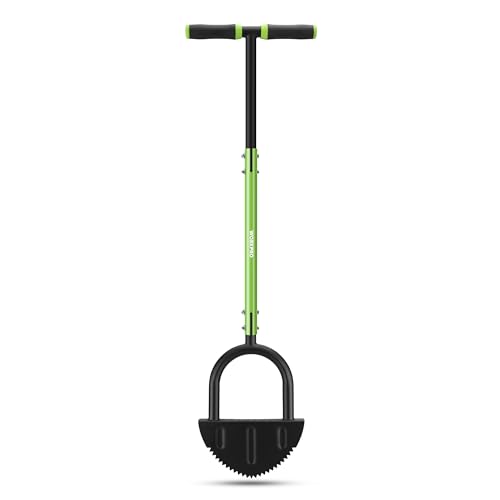
The WORKPRO 40-Inch Edger is a manual lawn tool that targets homeowners, gardeners, and DIY landscapers looking for a budget-friendly way to sharpen the borders of their yard. It falls into the category of manual half-moon edgers, which are popular for creating clean lines along sidewalks, driveways, flower beds, and patios without relying on gas or battery power.
In terms of performance, the edger's 23-tooth saw blade is designed to cut through grass, roots, and loose soil. According to the product description, the blade is spray-coated for rust resistance, which helps maintain its sharpness through repeated use. The tool works best on moist, well-maintained soil and turf. For small to medium yards, it can handle edging tasks efficiently, though it requires manual force and a steady hand to maintain straight lines. The wide footrest allows users to apply downward pressure with their foot, making the cutting action easier and more controlled.
Build quality is a highlight: the blade and shaft are made from premium steel with a black spray-coated finish for added rust and water resistance. The T-handle is constructed from TPE and PP materials, offering a comfortable, non-slip grip. The overall assembly is straightforward—the package includes nuts, bolts, flat washers, and a 10mm spanner, so you can put it together in minutes without extra tools. The 40.55-inch length is suitable for most average-height users, though taller individuals might wish for a longer handle.
Setup is minimal: simply attach the blade assembly to the handle using the provided hardware. No complicated instructions or special skills are needed. Maintenance is equally simple—just wipe down the blade after use, especially after cutting through moist soil, and periodically check the bolts for tightness. Storage is easy thanks to its slim profile, which takes up little space in a shed, garage, or even a corner of an apartment balcony.
However, this manual edger does have limitations. It is not a replacement for powered edgers when dealing with large lawns, thick roots, or extremely compacted soil. Achieving perfectly straight, consistent edges along a long driveway may be challenging without a guide. Also, because it's a manual tool, it requires physical exertion—so it's best suited for homeowners who enjoy a hands-on approach or have smaller edging needs.
Overall, the WORKPRO 40-Inch Edger offers good value for its price point. It is a practical choice for DIY gardeners and budget-conscious shoppers who want to maintain crisp edges without investing in gas or electric equipment. For those with small to medium yards and a willingness to put in a bit of elbow grease, this edger can deliver neat, professional-looking borders.
Mastering Manual Edger Technique for Clean Borders
The core principle of manual edging is using your body weight to drive the blade into the ground, rather than relying on arm strength to chop. This method minimizes fatigue and produces a smoother cut because the blade engages the soil at a consistent depth.
Whether you are using a half-moon shovel or a wheeled device, the goal is to separate the grass root zone from the soil or mulch bed cleanly. A clean edge prevents grass from creeping into garden beds and makes subsequent mowing easier, as the mower deck can pass over the border without clipping the hardscape.
| Tool Type | Primary Motion | Best For | User Effort |
|---|---|---|---|
| Half-Moon Shovel | Step and Press | Flower beds, tight corners | High (manual leverage) |
| Wheeled Rotary | Push and Pull | Long sidewalks, driveways | Medium (rolling weight) |
| Adjustable Handle | Step and Press | Variable user heights | High (manual leverage) |
Before you begin, ensure the area is free of large stones, hidden roots, or irrigation lines that could damage the blade or cause injury. The soil should be moderately dry; edging in saturated mud can result in a sloppy, uneven trench that is difficult to clean up. Check that the blade is sharp, as a dull edge requires significantly more force and can bend under pressure, especially in compacted soil. Proper preparation sets the stage for a smooth operation and protects the tool from unnecessary wear.
- Clear the edging area of rocks, sticks, and hidden irrigation lines.
- Adjust the handle height so your elbows are at a comfortable 90-degree angle.
- Inspect the blade for nicks or dullness before starting the session.
- Ensure the soil is not overly wet to prevent mud clogging the cut.
Positioning the Blade and Footplate
For half-moon edgers, the footplate is a critical component that allows you to apply vertical force safely. Place the flat of the blade against the edge of the grass, aligning it with the desired border line. Your foot should rest firmly on the wide footplate, ensuring your weight is centered over the blade rather than off to one side.
This alignment prevents the tool from twisting in the ground, which can create a jagged or curved line instead of a straight cut. Keep your hands on the T-handle, maintaining a grip that allows you to guide the blade without jerking it.
The angle of the blade relative to the ground determines the depth of the cut. A vertical position creates a deep, sharp trench that separates the grass roots effectively. If you tilt the blade too far back, it may only skim the surface, leaving the roots intact and allowing grass to regrow quickly into the bed.
Aim for a depth of about two to three inches, which is usually sufficient to kill the root tips without digging up excessive soil. Consistency in angle is key; try to maintain the same posture for each step to ensure a uniform border throughout the length of the edge.
The Step-and-Press Motion
The actual cutting action involves a two-part movement: stepping down and pressing forward. First, lift the handle slightly to clear the ground, then place the footplate on the soil at the next position along the edge. Apply steady downward pressure with your foot until the blade penetrates the soil to the desired depth.
Then, use your hands to pull the handle back slightly, dragging the blade along the surface to connect the cuts. This dragging motion creates a continuous trench rather than a series of disconnected holes. The motion should be rhythmic and smooth, avoiding sudden jerks that can cause the blade to bounce or dig unevenly.
Body mechanics play a significant role in reducing strain during this process. Keep your back straight and engage your core muscles to support your posture. Bend your knees slightly when stepping down to absorb the impact and maintain balance.
Avoid hunching over the tool, as this places unnecessary stress on the lower back and can lead to fatigue. If you feel strain, adjust the handle height or take a short break to reset your posture. Proper form not only protects your body but also improves the quality of the cut by allowing you to apply force more effectively.
Using Wheeled Rotary Edgers
Wheeled edgers operate differently from manual shovels, relying on the weight of the wheel and the user’s pushing force to cut. The blade is mounted on a rotating wheel, and as you push the tool forward, the wheel spins and the blade slices through the grass.
This design is particularly effective for long, straight edges like sidewalks and driveways, where the rolling motion maintains a consistent depth. The key is to use a steady, pushing motion rather than pulling or jerking the tool. Let the weight of the wheel and the sharpness of the blade do the work, rather than forcing the tool through the turf.
Adjusting the height of the wheeled edger is crucial for matching your comfort and the desired cut depth. Most models offer multiple height settings, allowing you to find the position that keeps your back straight and your arms relaxed. A higher handle reduces the need to bend over, which is beneficial for users with back issues.
However, a lower handle may provide more control and precision for tighter curves. Experiment with different heights to find the best balance for your body type and the specific task at hand. Regular maintenance, such as clearing grass from the wheel axle, ensures the tool continues to operate smoothly and efficiently.
- Push the wheeled edger with a steady, forward motion to maintain depth.
- Adjust the handle height to keep your back straight and reduce strain.
- Clear debris from the wheel axle regularly to prevent increased resistance.
- Use the tool on flat surfaces for the best results and safety.
Managing Soil Types and Conditions
Different soil types present unique challenges for edging. Sandy soil is generally easier to cut, but it can collapse if the trench is too deep, leading to an uneven border. Clay soil is more compact and requires more force to penetrate, especially if it is dry.
In these cases, a sharper blade and more deliberate pressure are necessary to achieve a clean cut. Loam soil offers a balance of workability and stability, making it ideal for edging. Understanding your soil type helps you adjust your technique and tool selection for the best results.
Moisture levels also affect edging performance. Edging in wet soil can result in a muddy, messy trench that is difficult to clean up. The soil may stick to the blade and clog the cut, reducing the tool’s effectiveness. Conversely, edging in very dry soil can be tough on the blade and require more physical effort.
The ideal condition is soil that is moist but not saturated, allowing the blade to slice through easily without excessive mud. If the soil is too dry, consider watering the area lightly a day before edging to soften the top layer. This can make the process smoother and less taxing on both you and the tool.
Safety and Maintenance Tips
Safety is paramount when using any manual tool, including garden edgers. Always wear sturdy gloves to protect your hands from blisters and cuts, especially when handling the sharp blade. Eye protection is recommended to prevent debris from flying into your eyes during the cutting process. Ensure that the work area is clear of children and pets to avoid accidental injuries. Follow the manufacturer’s safety guidance for your specific tool, including any warnings about blade sharpness or assembly requirements. Proper safety habits prevent accidents and ensure a enjoyable yard maintenance experience.
Regular maintenance extends the life of your edger and keeps it performing at its best. Clean the blade after each use to remove soil and grass residue, which can cause rust and corrosion. Store the tool in a dry place to prevent moisture damage. Check the handle for loose screws or bolts, tightening them as needed to ensure stability during use. For wheeled edgers, lubricate the wheel axle periodically to keep it spinning freely.
If you notice the blade becoming dull, sharpen it or replace it according to the manufacturer’s instructions. A well-maintained edger is a reliable tool that delivers consistent results season after season. For more on maintaining your yard tools, see our mower identification guide for general equipment care tips.
Troubleshooting Common Edging Issues
If your edges look uneven, check your technique and tool condition first. A dull blade will drag and tear the grass rather than cutting it cleanly, resulting in a ragged edge. Ensure the blade is sharp and that you are applying consistent pressure. Uneven handle height can also cause inconsistent cut depth, so adjust the tool to match your height. If the soil is compacted, consider loosening it slightly with a rake before edging to make the cut easier. These simple adjustments can often resolve the most common edging problems.
Back strain is a frequent complaint among users, often caused by poor posture or an improperly adjusted tool. Always keep your back straight and use your leg muscles to apply force rather than your back. Adjust the handle height so that your elbows are at a comfortable angle, reducing the need to bend over.
Taking regular breaks can also help prevent fatigue and strain. If you continue to experience discomfort, consider using a wheeled edger, which requires less upper body strength. Listening to your body and adjusting your technique can make edging a more comfortable and sustainable task.
Mastering the how to use a garden edger tool technique is about finding the right balance between force, posture, and tool selection. By understanding the mechanics of your specific edger and adjusting for soil conditions, you can achieve clean, professional-looking borders with minimal effort. Consistent practice and proper maintenance will keep your yard looking neat and well-defined throughout the growing season. Whether you are edging a small flower bed or a long driveway, the principles of steady pressure and proper alignment remain the same.





Write Your Review
No reviews yet. Be the first to share your experience!