


Most cordless leaf blowers do not list amp draw because they operate on direct current batteries rather than household AC power. The how many amps does a leaf blower use question usually applies to corded electric models, which typically draw between 3 and 6 amps depending on the motor size and speed setting.
For battery-powered units, the relevant metric is the battery voltage and amp-hour capacity, which determine runtime and power delivery. Understanding these electrical specifications helps you choose the right tool for your yard without overloading circuits or running out of power mid-task.
Corded blowers plug into standard 120V outlets, and their amp draw affects how many tools you can run simultaneously on a single circuit. Battery models offer portability but require attention to battery compatibility and charging times. The distinction matters for homeowners who switch between mowing, blowing, and other power tools. Knowing the electrical profile of your equipment ensures safer operation and better planning for outdoor projects. This article breaks down the electrical requirements for both corded and cordless leaf blowers, focusing on practical implications for daily use.


Understanding Amps and Power in Leaf Blowers
Amps measure the rate of electrical current flow, while watts represent power output. For corded tools, the amp draw is calculated by dividing watts by voltage. A 600-watt blower on a 120-volt circuit draws about 5 amps. This figure helps you assess circuit load and determine if you need a dedicated outlet or a surge protector. Cordless tools bypass this calculation because they draw power from a battery, not the grid. Instead, you look at the battery’s voltage and amp-hour rating to understand energy storage and potential runtime.
| Feature | Corded Electric | Cordless Battery |
|---|---|---|
| Power Source | 120V AC Outlet | Rechargeable Battery (18V-20V) |
| Amp Draw | 3-6 Amps (typical) | N/A (DC Battery) |
| Runtime | Unlimited (corded) | 15-60 minutes (varies) |
| Portability | Limited by cord length | Full mobility |
| Weight | Often heavier due to cord | Lighter, battery-dependent |
The difference in power delivery affects how you plan yard work. Corded units provide consistent power but limit your range to the outlet location. Cordless units offer freedom of movement but require battery management. If you have a large yard, you might need multiple batteries or a corded unit with a long extension cord. The choice depends on your specific layout and the type of debris you handle. Light dust and small leaves require less power than heavy, wet debris, which demands higher airflow and motor output.
When comparing specifications, note that manufacturers often list CFM (cubic feet per minute) and MPH (miles per hour) for airflow and speed. These metrics correlate with power draw. Higher CFM and MPH generally mean higher amp consumption for corded models or faster battery drain for cordless ones. For example, a blower with 650 CFM and 180 MPH will consume more energy than one with 200 CFM and 100 MPH. This relationship helps you predict performance and energy usage before purchase.
- Corded blowers typically draw 3 to 6 amps on a 120V circuit.
- Cordless blowers use 18V to 20V batteries with 4.0Ah to 5.0Ah capacity.
- Higher airflow (CFM) and speed (MPH) increase power consumption.
- Battery runtime depends on speed setting and debris type.
- Circuit load matters when using multiple tools simultaneously.
- Extension cords can reduce voltage and affect corded blower performance.
Corded vs. Cordless: Power Implications
Corded leaf blowers rely on a continuous power supply from an outlet. This consistency means the motor can run at full capacity indefinitely, provided the circuit is not overloaded. However, the cord length limits your working area.
If you need to reach a distant part of the yard, you must use an extension cord. Using an extension cord longer than recommended can cause voltage drop, reducing the blower’s power and potentially tripping breakers. It is best to use a heavy-duty cord rated for outdoor use and keep it as short as possible.
Cordless blowers offer the advantage of no cord, allowing you to move freely around the property. The trade-off is limited runtime. A 20V battery with 5.0Ah capacity might run for 15 to 30 minutes at full power, or longer at lower settings.
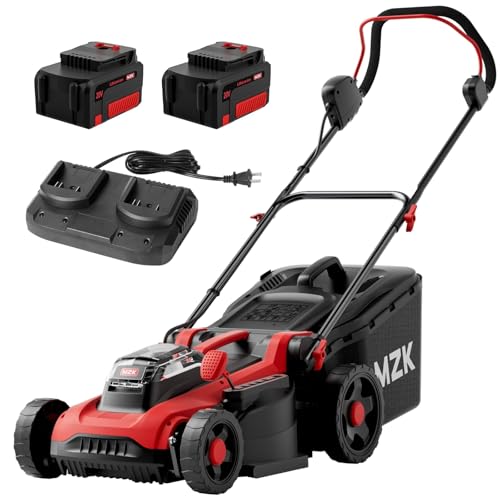
If your task takes longer than the battery life, you need a second battery or a charger that can replenish power quickly. Some models include dual batteries, allowing you to swap them out and continue working. This setup is ideal for larger yards where a single battery would not last the entire session.
Calculating Amp Draw for Corded Models
To estimate the amp draw of a corded blower, check the wattage on the nameplate. Divide the watts by 120 (the standard household voltage) to get the amps. For instance, a 720-watt blower draws 6 amps (720 / 120 = 6). This calculation helps you determine if your outlet can handle the load. Most household circuits are rated for 15 or 20 amps. If you are running a blower that draws 6 amps, you have room for other small appliances, but you should avoid plugging in high-draw tools like space heaters or dryers on the same circuit.
Always check your circuit breaker panel to see which devices are on the same circuit. Overloading a circuit can trip the breaker or, in severe cases, cause a fire. If you are unsure about your circuit capacity, consult an electrician.
For most homeowners, a single corded leaf blower is well within the safe operating range of a standard 15-amp circuit. Just be mindful of other tools you might use simultaneously. If you plan to run a blower and a string trimmer at the same time, calculate the total amp draw to ensure it does not exceed the circuit limit.
Battery Voltage and Amp-Hour Capacity
For cordless blowers, the battery voltage (18V, 20V, or 40V) indicates the potential difference, while the amp-hour (Ah) rating indicates the energy storage. A higher voltage generally means more power, while a higher Ah rating means longer runtime. A 20V 5.0Ah battery stores more energy than a 20V 4.0Ah battery, allowing for a longer working session. However, the actual runtime depends on the motor efficiency and the speed setting. Running at high speed drains the battery faster than running at low speed.
When selecting a cordless blower, consider the battery compatibility with other tools you own. Many brands use a common battery platform, allowing you to share batteries between a blower, a trimmer, and a hedge trimmer. This system saves money and reduces the number of batteries you need to charge. Check the manufacturer’s specifications to ensure the batteries are compatible. Some brands have proprietary batteries that do not work with other tools, so plan accordingly. If you already have a battery platform, choosing a compatible blower can be a cost-effective decision.
Impact of Speed Settings on Power Usage
Most leaf blowers offer multiple speed settings, such as low, medium, and high, where each setting affects power consumption differently.
- Low speed uses less power and extends battery life, making it suitable for light debris like dust or small leaves.
- High speed uses maximum power to handle heavy, wet debris or large piles of leaves effectively.
- Clearing a small porch might use low speed to conserve energy, while a large driveway uses high speed to finish faster.
- Expect the battery to drain more quickly when using high speed to finish the job faster on a large driveway.
For corded models, the speed setting also affects amp draw. Higher speeds require more current, increasing the load on the circuit. If you are using a corded blower at high speed for an extended period, monitor the circuit breaker for any signs of overheating or tripping. Adjusting the speed to match the task is a simple way to optimize power usage. Use the lowest effective speed for the job to save energy and reduce wear on the motor. This practice also helps extend the life of your equipment and battery.
Choosing the Right Power Source for Your Yard
The best power source depends on your yard size and the type of debris you handle. For small yards or patios, a corded blower might be sufficient if you have easy access to an outlet. For larger properties, a cordless blower with dual batteries offers more flexibility.
Consider the distance from the nearest outlet to the farthest part of your yard. If the distance is too great for a corded unit, a cordless model is the better choice. Also, consider the noise level and environmental impact if you live in a noise-sensitive area.
Review the specifications of the models you are considering. Look for the wattage or battery voltage and amp-hour rating. Compare these figures with your needs and your existing tools. If you are unsure, consult the manufacturer’s website or customer support for detailed information. Making an informed decision ensures you get a tool that meets your requirements and performs reliably. The right power source can make yard cleanup faster and more efficient, saving you time and effort.
Understanding the electrical requirements of leaf blowers helps you make a safer and more informed purchase. Whether you choose a corded or cordless model, knowing the amp draw or battery capacity allows you to plan your workflow effectively. Consider your yard size, debris type, and available power sources when making your decision.
By matching the tool’s power profile to your specific needs, you ensure efficient and safe operation for years to come. For more information on maintaining your outdoor power equipment, check out our guide on electric cordless lawn mower care.





Write Your Review
No reviews yet. Be the first to share your experience!