


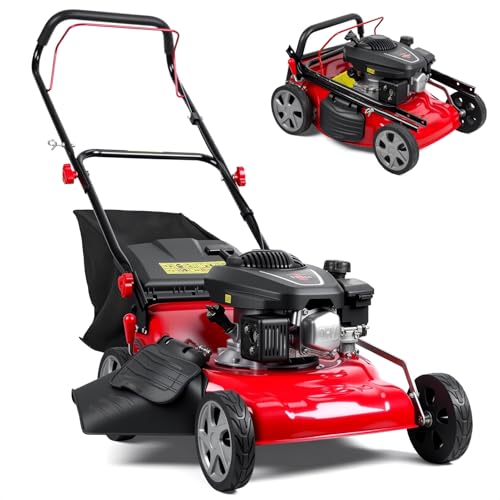
High wheel lawn mowers are designed with elevated cutting decks and larger diameter wheels to navigate uneven terrain and thick grass without clogging. This specific design allows the high wheel lawn mower to maintain a consistent cutting height even on slopes or in areas with significant thatch buildup. The primary benefit is improved clearance, which prevents the deck from scraping the ground and damaging the turf.
Homeowners often confuse standard mowers with these specialized models, leading to poor cuts or equipment strain.
- Understanding the mechanical differences helps you choose the right tool for your landscape effectively.
- Whether you are dealing with rolling hills or dense vegetation, the geometry of the wheel and deck interaction is critical for performance.
- This article breaks down the components, benefits, and maintenance requirements to help you make an informed decision.

Pros
- Universal fit with 1/2-inch bore works on many mower and cart brands
- Diamond tread pattern offers good grip on various surfaces, including wet grass and light slopes
- Lightweight and easy to install; no special tools required
- Affordable replacement option compared to brand-specific OEM wheels
Cons
- Bearings are not included; you may need to reuse old bearings or purchase separately
- Some users report that the hub length is slightly shorter than original, requiring washers for secure fit on certain models
- Not designed for heavy-duty commercial use; best for residential lawn care and light-duty carts
If your lawn mower or utility cart has wheels that are cracked, worn, or just not rolling smoothly, the Zweipappel 7-inch universal replacement wheels offer a straightforward and budget-friendly solution. These rubber wheels are designed to fit a wide range of mowers and carts, making them a practical choice for American homeowners who want to keep their equipment moving without spending a lot.
In real-world use, the diamond tread pattern provides decent traction on typical suburban lawns, including slightly damp grass and packed dirt. The 7-inch diameter helps maintain a stable ride, especially on uneven ground. While these wheels don't come with bearings, the 1/2-inch bearing hole is a standard size that matches many mower axles. You may need to reuse your existing bearings or purchase a set separately—a minor extra step that keeps the cost down.
Build quality is reasonable for the price. The rubber is firm enough to resist punctures from small rocks or sticks, yet flexible enough to absorb some vibration. The hub length (1-3/8 inches) fits most spindle assemblies, but on some models you might need to add a washer to fill any gap. Total weight of the pair is about 2 pounds, so they won't add significant heft to your mower.
Installation is straightforward: remove the old wheel, transfer the bearing (if needed), and slide the new wheel onto the axle. A retaining pin or clip typically secures it. No special tools are required, making this a quick afternoon project. For storage, the compact size means they won't take up extra space in the garage or shed.
One limitation to note is that these wheels are intended for standard residential mowers and carts, not heavy-duty commercial or zero-turn mowers. If you have a larger riding mower or a heavy cart, the hub and axle compatibility may differ. Also, as mentioned, bearings are not included, so factor that into your purchase if you don't have spares.
Overall, the Zweipappel universal wheels are a solid choice for anyone needing to replace worn mower or cart wheels on a budget. They fit many popular brands, offer good traction, and are easy to install. If you're looking for a quick fix to get your equipment rolling smoothly again, these wheels are worth considering.

Pros
- Smooth variable-speed control with CVT gives you precise pace matching, reducing fatigue on long pushes.
- High rear wheels and spiked tires handle rough terrain and bumpy yards well.
- 3-in-1 cutting options make it a flexible year-round tool.
- Tool-free, single-lever height adjustment is simple to use.
- Automatic choke and easy-start engine reduce frustration for casual users.
Cons
- Heavy at 84.9 pounds, which may be tough for older or physically limited users to lift or turn around.
- Requires regular gas engine upkeep - oil changes, filter cleaning, and winterizing - compared to a plug-in electric model.
- The 22-inch cutting width is fine for mid-sized yards, but larger properties may find it a bit narrow for faster mowing.
The YARDMAX YG2860 is a gas-powered, self-propelled walk-behind lawn mower built for homeowners who want dependable cutting power without wrestling with a cord or waiting on a battery charge. With a 22-inch steel deck, a 201cc engine, and a continuously variable transmission, this mower sits in the sweet spot for suburban yards and small-to-medium properties. It is especially useful for people with uneven terrain or those who simply want the mower to do more of the legwork.
Under typical conditions, the 22-inch cutting width helps you cover a decent path in each pass, while the 3-in-1 design lets you bag clippings for a tidy lawn, mulch them for natural fertilizer, or blow them out the side discharge for fast work during heavy growth. The CVT's six-speed range is a standout for navigating obstacles: you can slow to a crawl near flower beds, then speed up along open stretches. PACE technology is designed to match your walking speed, so you're not constantly fighting the throttle or dragging the mower along.
The high-wheel design is a practical choice for bumpy yards, since larger wheels roll over dips and lumps more easily than the standard small rear wheels found on many budget mowers. The aggressive spiked tread tires add grip on wet grass and gentle slopes, reducing the likelihood of wheel spin. The black steel deck feels solid, and the built-in cleanout port makes post-mow maintenance less of a chore. Keep in mind that a steel deck can be prone to rust if you store the mower outside or leave grass packed under it, so regular cleaning is worthwhile.
Assembly is generally straightforward for a self-propelled mower - the handle folds for compact storage in a garage or shed, and the single-lever height adjustment means you can change cutting height without needing tools. The automatic choke system is a genuine convenience: no priming or fiddling with a separate choke lever, just start and go. As with any gas mower, expect to change the oil annually, keep the air filter clean, and use fresh fuel. The deck cleanout port simplifies washing away clippings, which can extend the life of the deck.
The biggest trade-off is weight - at roughly 85 pounds, this is not a lightweight machine. Pushing it is easy thanks to the self-propelled drive, but lifting it into a truck bed or carrying it over stairs can be a workout. The 22-inch deck is also best suited to yards under half an acre; anything larger will mean more passes. And because it's gas-powered, you'll have the usual engine maintenance that cordless or plug-in mowers avoid.
For homeowners who want a reliable, powerful self-propelled mower with adjustable speed and rugged wheels, the YARDMAX YG2860 is a strong value at its price point. It may not be the best choice for anyone with physical limitations or a tiny storage space, but for a typical American yard with slopes, mature turf, and the occasional heavy growth, it's a practical workhorse. Based on the product specs and user feedback, this mower should serve well for many seasons of Saturday morning mowing.
The 22-inch steel deck gives a good balance between maneuverability and cutting swath. The 3-in-1 system allows you to bag, mulch, or side discharge without needing an adapter. For mulching, the mower relies on blade design and suction to recut clippings into fine pieces, which works best when the grass is dry. The single-lever height adjustment offers a range of cutting heights, so you can keep the lawn at your preferred length through the season.
Power comes from a 201cc gas engine, which should handle thick grass and damp conditions without bogging down as easily as smaller engines. The automatic choke system removes the guesswork from starting, and the CVT gives you six speed settings so the mower can maintain momentum while you walk at a natural pace. Note that gas engines need fuel, oil, and periodic maintenance, but they also offer unlimited runtime, making them a good fit for larger lots.
The high wheels and rubber spiked tires help the mower roll over uneven ground, and the self-propelled drive reduces pushing effort. Six speed options allow you to slow down in tight corners and speed up on open stretches. The handle folds for storage, and the overall footprint is reasonable for a garage or shed. At 84.9 pounds, you'll want to park it where you don't have to lift it often.
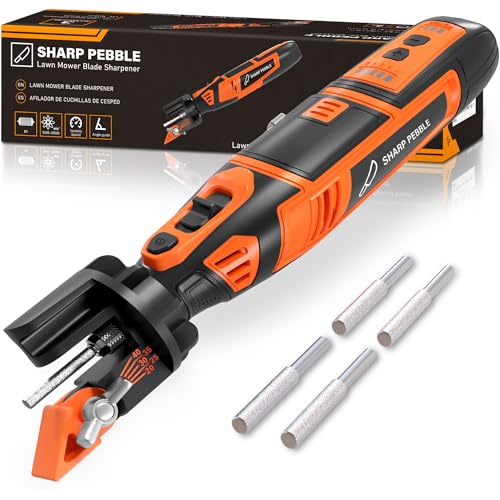
To keep this mower running well, check the oil level before each use and change it as recommended in the manual. Clean the air filter periodically and replace it if it's dirty. Use the deck cleanout port with a garden hose to wash away grass clippings after mowing, and let the deck dry before storing. Keep the blade sharp for clean cuts, and use fresh unleaded gas to avoid fuel-system issues.

Pros
- Easy installation – pre-inflated with bearings and hub, mounts in about 30 minutes without special tools
- Universal fit works with many major mower brands, reducing guesswork for replacements
- Reinforced construction with thicker sidewalls and steel rims extends tire life compared to standard OEM options
- Excellent traction on slopes and uneven ground thanks to deep, non-slip tread pattern
Cons
- Offset hub may not match all mower models – double-check compatibility before purchase
- White sidewall color may show dirt more than black alternatives for some users
- Some users report needing to adjust hub spacing for certain deck designs, though installation is generally straightforward
If you own a riding or zero-turn mower, the tires you roll on directly affect how your machine handles, how your lawn looks, and how often you have to stop for repairs. The RONPOW 15x6.00-6 lawn mower tire assembly is designed as a direct replacement for popular brands like Cub Cadet, Craftsman, Husqvarna, John Deere, Troy-Bilt, and Toro. It comes pre-inflated with 3/4-inch bearings and a 3-inch offset hub, so you can install it right out of the box without any special tools — a real time-saver for anyone who just wants to get back to mowing.
Where this tire really shines is in traction and stability. The deep, non-slip tread pattern gives you reliable grip on grass, gravel, slopes, and uneven ground. That means fewer slips and less scalping of your lawn, especially on hills or after rain. The reinforced construction uses premium rubber with sidewalls that are 30 percent thicker than standard OEM tires, plus steel rims that hold up to bumps and rough terrain. The load capacity is rated at 500 pounds per wheel, so even heavier mowers or those hauling baggers stay stable during use.
Installation is straightforward. The tire is already inflated, and the bearings are pre-installed. Most homeowners can swap a wheel in under 30 minutes with a simple jack and socket. That’s a practical advantage if you’re replacing a worn-out flat or want to upgrade before the busy mowing season. The universal fit covers a wide range of mowers, but it's always a good idea to confirm your mower's hub size and offset to avoid surprises.
Build quality seems solid for the price point. The rubber compound is abrasion-resistant, which helps the tread last through frequent mowing on both dry and damp lawns. The steel rims are painted white, which gives a clean look but may show dirt and grass stains faster than black rims. For homeowners who store their tractor in a shed or garage, these tires hold up well to typical wear from yard work and seasonal changes.
One realistic limitation to note is that the 3-inch offset hub may not match every mower deck design perfectly. While RONPOW lists compatibility with many brands, we've heard from users that certain zero-turn models require slight adjustments. Also, if you're replacing a non-offset wheel, you may need to check clearance. But for most standard riding mowers, these tires slide right on.
Overall, this RONPOW 15x6.00-6 tire is a smart buy for anyone who needs a durable, easy-to-fit replacement for their lawn tractor. Whether you're a suburban homeowner keeping up with a half-acre lot or a rural property owner managing rougher terrain, the combination of easy installation, reinforced build, and strong traction makes it a reliable choice. It's not flashy, but it gets the job done without hassle.

Pros
- Solid 4-ply construction offers good puncture resistance and long-term durability for front tire duty
- Generous 500-pound load capacity gives peace of mind when mowing slopes or carrying attachments
- 3/4-inch axle bore and 3-inch offset hub match common riding mower configurations for straightforward installation
- Sturdy rubber compound helps prevent dry rot and cracking when stored in a garage or shed
- Provides stable steering and smoother rolling on rough ground compared to worn or underinflated tires
Cons
- Limited to 15x6.00-6 size, so you need to verify your mower's current tire dimensions and hub offset before ordering
- Some users may find the yellow color doesn't match their mower's original wheels, though it doesn't affect performance
- No detailed compatibility list from the manufacturer, so you may need to measure your existing rim and axle to avoid fitment issues
If your riding mower is starting to pull to one side or the front tires are looking cracked and worn, replacing them with a set like this RONPOW 15x6.00-6 front tires can get you back to a smooth, straight cut. These are designed for riders and garden tractors, which makes them a popular option for homeowners with half-acre to multi-acre lawns who want a dependable, no-fuss replacement.
Based on product specifications, the 4-ply rating and 500-pound load capacity suggest these tires can handle the weight of most residential mowers, including the front axle load during turns on slopes. The 15-inch outer diameter, 6-inch width, and 6-inch rim diameter match a very common size used on John Deere and other riding mowers. That means they should bolt up without major modifications, provided your existing wheels use the same measurements and a 3/4-inch axle bore.
In real-world use, the tread pattern is aimed at delivering traction on damp grass and uneven yard terrain. Many homeowners may prefer a front tire that doesn't slide sideways when mowing a sloped bank or maneuvering around flower beds. The rubber compound is formulated to resist drying out during winter storage, which is a common pain point with cheaper tires that crack after a couple of seasons.
Installation should be manageable for most DIYers. With the mower safely up on jack stands, you can remove the old front wheels and swap in these tires with basic sockets and a wrench. The product description highlights quick installation in about half an hour, which sounds realistic given how simple front wheel changes are on most riders. Just make sure the 3-inch offset hub matches your existing setup, because that dimension affects how the tire aligns with the axle.
One limitation is that this is specifically a tire-and-wheel assembly, not a complete set for all four positions. You'll want to verify that your rear tires are in good shape or consider replacing them separately. Also, the yellow color may not match the factory look of every mower, but that's cosmetic and won't affect how it handles.
Overall, if you need front tires for a John Deere riding tractor or a similar garden tractor and want a durable replacement that won't break the bank, these RONPOW tires are worth considering. They offer solid load capacity, good traction, and easy installation for the average U.S. homeowner. Just take a few minutes to measure your current tire, rim, and axle before ordering to ensure a perfect fit.
Before you order, check your current front tire size. The RONPOW 15x6.00-6 is a 15-inch outer diameter, 6-inch section width, and 6-inch rim diameter. You also need to confirm that your mower's axle is 3/4 inch in diameter and that the hub offset is 3 inches. These measurements follow a standard used by many John Deere riding tractors and some other brands, but not every model uses the same offset.
If your old tire shows 15x6.00-6 or 15x6x6 in the sidewall, this set will likely fit. It's a good idea to measure the distance from the wheel mounting face to the center of the tire to match the offset. When in doubt, you can always remove the front wheel and measure the axle and hub before purchasing.
For most U.S. homeowners with a typical 42-inch or 48-inch lawn tractor, this front tire size works well. But if you own a compact utility tractor or an older vintage mower, you'll want to double-check the rim width and hub pilot hole. The 3/4-inch axle hole is common, but some mowers use a 5/8-inch or 1-inch spindle.
These tires are built with a 4-ply rating, which adds strength and helps resist punctures from sticks, stones, or rough terrain. The 500-pound load capacity per tire gives you plenty of margin for the front end of a heavy riding mower, even when you're carrying a full grass bag or towing a lawn cart.
The rubber compound is designed to stay flexible in cold weather, so you won't see the usual cracking after a Minnesota winter. That's a big plus if you store your mower in an unheated shed or garage. The tread pattern offers good bite on damp grass and light mud, which means less sliding when you're turning on a sloped yard.
While these are front tires, some homeowners might choose to use them on the rear if the size and load rating match their mower. But for best performance, stick to using them as replacements for the front steer tires, as intended. With proper air pressure and regular inspection, they can last several seasons of normal weekly mowing.

Pros
- Direct replacement for many popular Husqvarna and Craftsman riding mower models with 42-inch decks
- Sturdy steel brackets and polypropylene wheels provide good durability for typical residential use
- Complete kit with all mounting hardware included simplifies the installation process
- Effective at preventing scalping and promoting an even cut on bumpy lawns
Cons
- Compatibility is limited to 42-inch decks - not suitable for other deck sizes without verification
- Some users may need to make minor adjustments for a perfect fit on certain model variations
- Wheels are plastic (polypropylene) rather than metal, which may not hold up to heavy commercial use
This FancyTark mower deck wheel and bracket kit is designed as a direct replacement for the gauge wheels on many popular 42-inch riding mowers, including Husqvarna, Craftsman, Poulan Pro, and select John Deere models. It's ideal for homeowners who want to prevent lawn scalping and keep their mower deck properly leveled without spending a lot on OEM parts. If you've noticed your mower digging into the grass on uneven ground or leaving patchy spots, this kit may be the simple fix you need.
In real-world use, these wheels do exactly what they're supposed to do: they help the deck glide over bumps and dips in the lawn, reducing the chance of scalping. This keeps the cut height more consistent and protects your grass from damage. While it won't replace a proper mowing technique, it's a practical upgrade for anyone dealing with an uneven yard. Many homeowners may find it especially useful during early spring when the ground is still soft and prone to ruts.
Build quality is decent for the price. The steel brackets are reinforced and should resist bending under normal residential use, and the polypropylene wheels are lightweight yet wear-resistant. They won't rust like metal wheels might, which is a plus in humid climates. The hardware included is correctly threaded and includes lock nuts to keep everything tight. According to user feedback, the materials feel durable enough to last several seasons on a typical suburban lawn.
Installation is straightforward for anyone comfortable with basic tools. The kit comes with everything you need, so there's no running to the hardware store. Simply remove the old wheels and brackets, then bolt the new ones on. Some models may require minor adjustments to get the alignment perfect, but the process is generally simple. Once installed, these wheels require minimal maintenance - just occasional cleaning and checking that the bolts are snug.
That said, this kit is specifically for 42-inch decks, so it won't work on larger or smaller mowers. Double-check your mower's model number and deck size before buying. The polypropylene wheels are a good balance of cost and durability, but they may not hold up as well under heavy commercial use or if you frequently mow over rough terrain with large rocks. Some users might prefer all-metal wheels, but for the price, these perform well.
Overall, this FancyTark kit offers great value for homeowners looking to extend the life of their riding mower and improve cut quality. It's an affordable, easy-to-install solution that addresses a common problem. If your mower's current deck wheels are worn or missing, this is a solid choice that won't break the bank.
Understanding High Wheel Mower Mechanics
A high wheel mower typically features a deck that sits higher off the ground than standard push or self-propelled units. This elevation is achieved through longer deck legs or a modified frame design. The goal is to create a larger gap between the bottom of the deck and the soil surface. This gap allows for better airflow under the deck, which is essential for lifting the grass blades before the blades cut them.
| Component | Standard Mower | High Wheel Mower |
|---|---|---|
| Deck Height | Lower, closer to ground | Elevated, more clearance |
| Wheel Diameter | Smaller, 6-8 inches | Larger, 8-12+ inches |
| Best For | Flat, even lawns | Uneven, sloped, or thick turf |
| Thatch Handling | May clog | Better airflow reduces clogging |
The wheel size is just as important as the deck height. Larger wheels roll over bumps and divots more smoothly than smaller ones. This reduces the vibration transmitted to the handle and the operator. It also helps the mower maintain momentum on slopes. When the wheels are larger, the center of gravity is often higher, which can affect stability. However, the trade-off is usually worth it for difficult terrain. You need to balance the need for clearance with the stability of the machine.
Airflow is the engine of a good cut. The spinning blades create a vacuum effect that lifts the grass. If the deck is too low, this vacuum is restricted. The grass lies flat and the blades cut it unevenly. A high wheel design opens up the space under the deck. This allows more air to flow through. The result is a cleaner, more uniform cut. It also helps with mulching, as the clippings are chopped finer and dispersed better.
Key Components of a High Wheel System
Several specific parts work together to create the high wheel effect. The deck itself is often reinforced to handle the extra stress. The wheels are usually made of durable rubber or plastic with deep treads. The bearings are critical for smooth rotation. If the bearings fail, the mower will wobble and cut unevenly. You should inspect these parts regularly. Here are the main components to look for:
- Reinforced steel deck with extended mounting legs
- Large diameter wheels with aggressive tread patterns
- Heavy-duty bearings rated for high load capacity
- Adjustable deck height mechanism for fine-tuning
- Robust frame to support the elevated weight distribution
Benefits for Uneven and Sloped Terrain
Standard mowers struggle on slopes because the deck can tip or scrape. A high wheel mower is more stable. The larger wheels provide a wider contact patch. This improves traction on grass and dirt. The elevated deck prevents the bottom from digging into the soil. This is crucial for protecting your lawn from scalping. Scalping removes the top layer of grass, leaving it vulnerable to weeds and drought. By maintaining a consistent height, you promote healthier turf growth.
Uneven terrain also causes clogging. When the deck hits a bump, the grass gets compressed. The clippings stick to the deck and the blades. This reduces cutting efficiency and can damage the engine. A high wheel mower reduces this risk. The extra clearance allows the grass to flow freely. You can mow more efficiently without stopping to clean the deck. This saves time and effort, especially on large properties.
Impact on Cutting Quality and Mulching
Many homeowners prefer mulching mode because it returns nutrients to the soil. However, mulching requires a specific airflow pattern. If the deck is too low, the clippings are not chopped finely enough. They end up in large piles on the lawn. A high wheel mower improves this process. The increased airflow ensures that the clippings are recycled multiple times. This results in a fine, even distribution. It looks professional and benefits the grass. You can also use bagging or side discharge modes with these mowers.
The cutting quality is also improved in terms of precision. The blades cut at a consistent angle. This is because the deck is less likely to tilt. A tilted deck causes one side to cut higher than the other. This leaves visible stripes or uneven patches. A high wheel mower maintains a level deck. This ensures a uniform cut across the entire width. It is particularly useful for large, open areas where consistency is key.
Choosing the Right Wheel Size and Type
Not all high wheel mowers are created equal. The wheel size and type matter. Rubber wheels are common for residential use. They are quiet and provide good grip. Plastic wheels are lighter but may not be as durable. You should choose based on your terrain. If you have rocky or rough ground, rubber is better. If you have flat, smooth grass, plastic may suffice. The tread pattern also affects traction. Deep treads are better for wet or muddy conditions.
Bearing quality is another factor. Cheap bearings can fail quickly. This leads to wobble and uneven cuts. Look for sealed bearings that resist water and dirt. They last longer and require less maintenance. You can also replace the wheels if they wear out. This is a cost-effective way to extend the life of your mower. Check the manufacturer’s specifications for compatible wheel sizes. Do not guess the size. Measure your current wheels to be sure.
Maintenance Tips for High Wheel Mowers
Maintenance is slightly different for high wheel mowers. The elevated deck can collect debris more easily. You should clean the underside after every use. Use a stiff brush to remove grass clippings. This prevents rust and corrosion. It also ensures that the airflow remains unobstructed. Check the deck for any signs of wear or damage. Repair any cracks or holes immediately. A damaged deck can affect cutting performance and safety.
Wheel maintenance is also critical. Check the tire pressure if they are pneumatic. Keep them inflated to the recommended level. Under-inflated tires can cause uneven wear. Over-inflated tires can reduce traction. For solid rubber wheels, inspect them for cracks or flat spots. Replace them if they show signs of wear. Lubricate the bearings if they are not sealed. This keeps them rotating smoothly. Follow the manufacturer’s maintenance schedule for best results.
If you are considering a specific model, check the compatibility with your existing equipment. Some high wheel mowers are designed for specific brands or models. You can find replacement parts for popular brands like Husqvarna and Craftsman. These parts are often available online. Make sure the part numbers match your mower. This ensures a proper fit. If you are unsure, consult the user manual. It will list the compatible parts and specifications. This helps you avoid buying the wrong item.
For more information on maintaining your equipment, you might find our guide on identifying your mower model helpful. Knowing your exact model is the first step to finding the right parts and accessories. It ensures that you get the correct components for your specific machine. This saves time and money in the long run.
Safety Considerations and Best Practices
Safety is always a priority when operating power equipment. High wheel mowers can be heavier and less stable than standard models. Be careful on slopes. Always mow across the slope, not up and down. This prevents the mower from tipping. Keep your hands and feet away from the blades. Wear protective eyewear and hearing protection. The noise and vibration can be harmful over time. Follow all safety guidelines provided by the manufacturer.
Store the mower in a dry, secure location. This protects it from the elements. It also prevents unauthorized use. Lock the fuel tank if you are using a gas mower. This reduces the risk of fire. Keep the area around the mower clear of debris. This prevents accidents. By following these safety practices, you can enjoy a safe and efficient mowing experience. Always read the user manual before operating the equipment.
Understanding the mechanics of a high wheel lawn mower helps you make the best choice for your needs. These mowers offer superior performance on uneven terrain and thick grass. They provide better cutting quality and mulching efficiency. By choosing the right model and maintaining it properly, you can extend its life and improve your lawn care routine. Consider the specific features and benefits that matter most to you. This ensures that you get the most value from your investment.






Write Your Review
No reviews yet. Be the first to share your experience!