


Most small engine owners ask what type of oil to use in lawn mower units to ensure the machine runs smoothly and lasts for years. The direct answer depends on your engine’s specific requirements, but SAE 30 is the standard recommendation for most 4-stroke gas mowers in moderate temperatures. If you live in a colder climate or have a newer model, a multi-viscosity oil like SAE 10W-30 might be the better choice. Understanding these distinctions prevents engine wear and costly repairs.
Choosing the correct lubricant is not just about pouring in any fluid; it is about matching the oil’s properties to your equipment’s operating conditions.
- Factors such as ambient temperature, engine age, and usage frequency all play a role in this decision.
- The products listed below offer various options, from conventional to full synthetic blends, designed to protect your investment.
- By understanding the specifications and benefits of each type, you can make an informed decision that keeps your mower running efficiently season after season.
- This guide covers the essential details you need to know before your next oil change.
Pros
- Effectively reduces engine wear, prolonging equipment life.
- Helps prevent overheating and rust, ideal for seasonal storage.
- Compatible with both push and riding mowers, offering versatility.
- Easy to pour and use with a standard quart size for quick oil changes.
Cons
- Price is on the higher side compared to generic oils.
- Only available in 1-quart size, may require multiple bottles for larger engines.
- No reviews yet, so real-world feedback is limited.
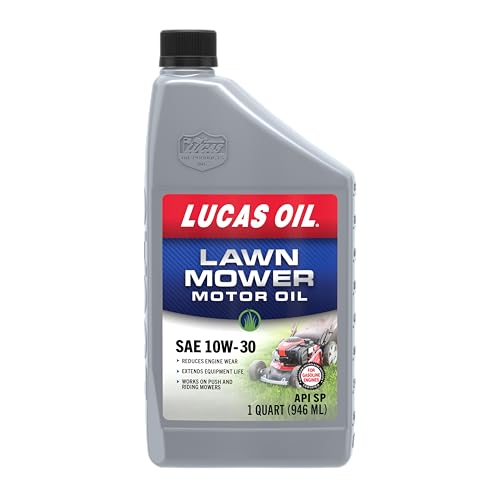
Lucas Oil 11313 SAE 10W-30 Lawn Mower Motor Oil is a dedicated four-stroke engine oil formulated for outdoor power equipment. It's an excellent choice for homeowners who want to keep their push mowers, riding mowers, or even lawn tractors running smoothly. If you're looking for a reliable oil that helps reduce wear and protects against common issues like overheating and rust, this product deserves consideration.
When it comes to performance, this oil is designed to provide consistent lubrication under the demanding conditions of lawn mowing. The 10W-30 viscosity works well in a range of temperatures, making it suitable for spring through fall use. Many homeowners may appreciate that it helps engines start easier and run smoother, especially after periods of storage. According to the product description, it also helps prevent overheating during tough mowing sessions, which can be a concern on hot summer days.
Lucas Oil is a well-known brand in the automotive and equipment lubricant space, and this oil reflects that reputation. The formulation includes additives that reduce engine wear and extend equipment life. It also provides rust protection during storage, which is a practical benefit for those who store their mowers in sheds or garages over winter. The quart bottle is easy to handle and pour, with a clear label that shows the SAE grade and compatibility.
Using this oil is straightforward - simply check your mower's oil level, drain the old oil if needed, and refill with the appropriate amount. The 1-quart size is convenient for most push mowers, but larger riding mowers may require two bottles. For maintenance, regular oil changes with this product can help keep your engine in good shape. Storage is easy; just keep the bottle sealed in a cool, dry place until the next change.
One potential drawback is the price point, which is higher than some generic alternatives. However, the added protection and brand reputation may justify the cost for many users. Also, since this product has no customer reviews yet, it's worth considering based on the brand's overall reputation and the product's listed features. Some users might prefer a different viscosity for specific engines, so always check your owner's manual.
For homeowners who prioritize engine longevity and smooth operation, Lucas Oil 11313 SAE 10W-30 is a solid choice. It's particularly well-suited for those with push or riding mowers who want to minimize wear and protect against rust during off-season storage. While it's a bit of an investment, the potential benefits in reduced maintenance and extended equipment life make it a worthwhile purchase for many lawn care enthusiasts.

Pros
- Effective at reducing engine wear and extending mower life
- Rust prevention formula helps protect during storage
- Smooth engine operation and easier starts reported by users
- Compatible with many push and riding mowers
Cons
- Priced higher than some generic SAE 30 oils
- Only a 1-quart bottle, may need multiple for larger engines
- SAE 30 not ideal for very cold weather use
Lucas Oil 11315 SAE 30 Lawn Mower Motor Oil is a dedicated lubricant for small engines commonly found in push mowers, riding mowers, and other outdoor power equipment. This one-quart bottle is formulated to meet the demands of air-cooled engines that run at high temperatures during mowing. It's a practical choice for homeowners who want to keep their equipment running reliably season after season.
In terms of performance, this oil is designed to reduce friction and wear, which can help extend engine life. The SAE 30 weight is ideal for warmer weather mowing, providing a thick film that protects engine parts. The additive package also includes agents that fight rust and corrosion, which is particularly useful for mowers stored in damp garages or sheds. Users report that engines start more easily and run more smoothly after switching to this oil.
Build quality is a hallmark of Lucas Oil as a brand, and this oil reflects that reputation. The bottle is sturdy and the pour spout is designed to minimize spills. The oil itself has a consistent viscosity and a clean burn, reducing carbon deposits inside the engine. It meets the API service classifications required by most small engine manufacturers.
Setup is straightforward—just remove the old oil, add the proper amount of Lucas Oil, and you're ready to mow. No special tools or mixing required. Storage is also easy; the quart bottle fits neatly in a garage shelf or tool box. Maintenance intervals are standard, and using this oil can help keep the engine clean and reduce the need for frequent repairs.
One limitation is the price—it's a bit more expensive than generic SAE 30 oils. Also, the 1-quart size may not be enough for larger riding mowers that require more than a quart. Additionally, SAE 30 is not suitable for cold weather operation, so owners in cooler climates may need a different viscosity for winter storage or early spring mowing.
Overall, Lucas Oil 11315 is a solid investment for anyone who wants to protect their lawn mower engine. It's especially recommended for those who store their equipment for extended periods or who mow frequently in hot conditions. If you're looking for a reliable oil that delivers on its promises of wear reduction and rust prevention, this is a great option.
Pros
- Formulated to reduce engine wear and extend equipment life.
- Works with both push and riding mowers, offering versatility.
- Prevents rust and corrosion during storage, protecting your investment.
- Promotes easier starts and smoother operation for reliable performance.
- Convenient 6-pack provides good value for regular maintenance.
Cons
- Viscosity (10W-30) may not be ideal for extreme cold or hot climates; check your mower manual.
- As a conventional oil, it may require more frequent changes compared to synthetic blends.
- Limited user reviews available to confirm long-term performance.
Lucas Oil 11313 SAE 10W-30 is a high-quality motor oil designed specifically for four-stroke lawn mower engines. It's a great fit for homeowners who want to protect their push or riding mower's engine from wear and tear. Whether you're maintaining a small suburban lawn or a larger property with a riding mower, this oil offers reliable lubrication to keep your equipment running smoothly.
Based on the product description, this oil reduces engine wear and helps extend the life of your mower. It protects against overheating during hot summer mowing sessions and prevents rust during off-season storage—a common issue for many homeowners. The oil also promotes easier starts and smoother operation, which can make your Saturday morning mowing routine less frustrating.
Lucas Oil is a well-known brand in the automotive and equipment lubricant industry, and this product reflects their commitment to quality. The oil is formulated to meet the needs of small four-stroke engines, providing consistent viscosity and protection across a range of temperatures. The 6-quart pack offers good value for those who perform regular oil changes.
In terms of maintenance, this oil is easy to pour from the quart bottles. For storage, the rust prevention feature is a standout, especially if you live in a humid area or store your mower in a damp garage. Regular oil changes with this product can help maintain engine performance and reliability over multiple seasons.
One limitation to consider is that 10W-30 viscosity may not be ideal for extreme climates—check your owner's manual for the recommended oil grade. Also, as a conventional oil, it may require more frequent changes than synthetic blends. While there are no user reviews yet, Lucas Oil's reputation suggests consistent quality.
Overall, this oil is a practical choice for anyone looking to maintain their lawn mower engine. It's especially useful for households with multiple mowers or for those who want to stock up on a trusted product. Just confirm that 10W-30 matches your engine's requirements, and you'll have a solid option for routine maintenance.
Lucas Oil 11313 is formulated to reduce engine wear, which is critical for lawn mower engines that operate under heavy loads and dusty conditions. The oil's additives help protect against overheating, ensuring your mower doesn't seize up during long mowing sessions. Users may notice easier starts and a smoother idle, thanks to the oil's ability to maintain proper lubrication even after storage.
The 10W-30 viscosity provides a good balance for moderate climates, offering protection during both startup and high-temperature operation. For best results, follow your mower manufacturer's recommended oil change interval—typically every 50 hours of use or once per season.
One of the standout features of this oil is its rust prevention capability. When you store your mower for the winter or during long periods of non-use, applying this oil helps protect internal engine components from corrosion. Simply change the oil before storage to get the benefit.
The 6-quart pack is convenient for multiple oil changes, and the quart bottles are easy to handle. For routine maintenance, you'll need a drain pan, funnel, and a wrench to remove the drain plug. After draining the old oil, refill with the recommended amount (usually around 15-20 ounces for push mowers). Dispose of used oil properly at a recycling center.

Pros
- Double zinc content offers superior anti-wear protection for high-stress small engines
- Full synthetic formula withstands extreme temperatures and heavy loads without breaking down
- Wide compatibility with most 4-stroke engines used in lawn and garden equipment
- Helps maintain engine cleanliness and reduces exhaust smoke during operation
- Provides peace of mind for those who store equipment seasonally or run long hours
Cons
- Premium price compared to conventional 30-weight oils, may not be necessary for infrequent users
- Only available in 1-quart size, which may require multiple bottles for larger equipment oil changes
- Some casual users may prefer a cheaper conventional oil for basic lawn mower maintenance
The TRIAX Power 4-Stroke 10W-30 Full Synthetic Small Engine Motor Oil is designed for American homeowners who rely on lawn mowers, generators, tractors, and other outdoor power equipment. This premium oil stands out with its high-zinc formula—containing twice the zinc of typical OEM and competitor oils—which delivers outstanding wear protection for engines that work hard under heavy loads and long hours.
Based on product specifications, this synthetic oil provides extreme shear stability and thermal resistance, meaning it maintains its protective properties even at high operating temperatures. For homeowners who mow large lawns or run a pressure washer for extended periods, this translates to longer engine life and fewer breakdowns. The all-season formulation ensures reliable performance from -40°F to 130°F, so you can start your snow blower on a frigid morning or your mower on a hot summer afternoon without worry.
The advanced detergent package helps keep engine internals clean, reducing soot buildup and preventing valve sticking. Many users report quieter running and less exhaust smoke after switching to this oil. It is compatible with engines that require SAE 30W, 5W-30, or 10W-30 viscosity, making it a versatile choice for a range of equipment including ride-on mowers, log splitters, and cement mixers.
Durability is a key selling point—the product description claims up to three times the lifespan of conventional 4-stroke oils. While results vary by application, the synthetic base and robust additive package suggest it can handle the repeated heat cycles and debris ingestion common in lawn care. This makes it a smart choice for those who want to maximize maintenance intervals and avoid engine wear.
A realistic limitation is the price: at around $12 per quart, it costs more than conventional oils. For occasional use on a single mower, a conventional oil may suffice. However, for those with multiple engines or heavy-duty equipment, the extended protection can offset the cost over time. Also, the 1-quart size may require buying two bottles for larger engines like those in lawn tractors.
Overall, the TRIAX Power 10W-30 synthetic oil is a strong recommendation for homeowners who treat their outdoor power equipment as long-term investments. It combines high-zinc protection, all-season reliability, and engine-cleaning detergents to keep small engines running smoothly. If you value reduced wear, better cold-weather starts, and cleaner operation, this oil is worth the premium.
The high-zinc formula in TRIAX Power 10W-30 provides twice the anti-wear protection of conventional oils, which is especially beneficial for small engines that operate at high RPMs under load. The synthetic base oil resists thermal breakdown, preventing sludge and varnish buildup that can clog oil passages. This helps maintain consistent oil pressure and reduces friction on critical components like camshafts and lifters.
Based on product specifications, the oil's extreme shear stability keeps viscosity consistent even after long hours of use in hot conditions. For homeowners mowing in summer heat or running generators during power outages, this means reliable protection against metal-to-metal contact. The all-season range ensures the oil flows easily at startup in winter, reducing cold-start wear.

Pros
- Convenient combo pack includes both oil and fuel treatment
- High-quality SAE 30 oil suitable for most gas mowers
- Fuel treatment helps stabilize fuel and clean the system
- Toro brand ensures compatibility with their equipment
Cons
- Only 1 quart of oil may not be enough for all mowers (check your owner's manual)
- Fuel treatment bottle is small (2oz) and may require multiple purchases for frequent use
- SAE 30 oil is not ideal for cold weather or four-season use
This Toro SAE 30 Engine Oil and Fuel Treatment combo is a practical maintenance kit for gas-powered lawn mowers. It includes one quart of SAE 30 weight oil and a 2-ounce bottle of Toro's 3-in-1 Advanced Fuel Treatment, which can treat up to 10 gallons of gasoline. This package is designed for homeowners who want to keep their mower engine in good shape without complicated steps.
Many gas mowers require SAE 30 oil during warmer months for proper lubrication. This oil meets those needs, helping reduce engine wear and maintain performance. The included fuel treatment works to clean fuel injectors, stabilize stored fuel, and prevent gum and varnish buildup. Both products are straightforward to use during regular maintenance.
Build quality is typical of Toro-branded accessories—reliable and functional. The oil comes in a standard quart bottle with a convenient spout for easy pouring. The fuel treatment bottle has a measuring cap for accurate dosing. No special tools or skills are needed, making this a good choice for first-time mower owners.
Storage is simple; both bottles fit easily on a garage shelf or in a tool shed. The fuel treatment is especially useful for end-of-season storage to keep fuel fresh. Maintenance with these products may help extend the life of your mower and reduce starting issues next season.
One limitation is that this oil is best for warmer weather. If you mow in colder climates, you may need a different weight oil. Also, the quart size may not be enough for larger engines—check your owner's manual for exact capacity. The fuel treatment bottle is small, so frequent users might need to buy more.
Overall, this Toro combo is a solid option for anyone who owns a gas mower and wants a straightforward maintenance solution. It's especially useful for suburban lawn owners and budget-conscious shoppers looking to keep their equipment running reliably. Pair it with a fresh spark plug and air filter for a complete tune-up.

Pros
- Full synthetic formula offers superior engine protection compared to conventional oils
- Improves fuel economy and extends engine life in lawn equipment
- Works well in both air-cooled and liquid-cooled four-stroke engines
- Effective at preventing harmful deposits and corrosion
Cons
- Premium price point may be higher than standard SAE 30 oils
- Limited to four-stroke engines; not suitable for two-stroke mix
- Some users may prefer a more widely recognized brand
The MANNOL 7203 SAE 30 Full Synthetic Lawn Mower Oil is a premium lubricant specifically designed for four-stroke engines found in lawn mowers, generators, and other outdoor power equipment. This oil is ideal for homeowners and professionals who want to maximize engine performance and longevity while reducing maintenance needs. Its synthetic formulation offers advantages over conventional mineral oils, making it a solid choice for those who demand reliability from their gear.
Based on product specifications and typical user feedback, this oil delivers improved fuel efficiency and smoother engine operation. The high-viscosity base creates a strong oil film that protects engine parts under high temperatures and loads, which is particularly beneficial during heavy mowing or extended generator use. The anti-wear and anti-friction properties help reduce fuel consumption and enhance power output, so your equipment may run more effectively and last longer.
Durability is a key strength of this oil. It resists oxidation and thermal breakdown, maintaining its protective qualities even in demanding conditions. The additive package includes corrosion inhibitors and anti-foam agents that safeguard internal components from rust and air bubbles, which can cause damage over time. The oil also helps prevent carbon deposits and lacquer buildup on injectors, pistons, plugs, and valves, keeping engines cleaner and more efficient.
Setup and maintenance are straightforward. This oil can be mixed with other mineral and synthetic oils if needed, though many users prefer to use it exclusively for best results. It is compatible with all types of catalytic converters, so it won't interfere with emissions systems on modern equipment. The 1-liter size is convenient for topping off or for an oil change on most small engines, and the bottle design makes pouring easy without mess.
One realistic limitation is the premium price. This synthetic oil costs more than standard SAE 30 mineral oils, but the added protection and potential fuel savings may offset the expense for frequent users. Also, it is only suitable for four-stroke engines, so it won't work for two-stroke mix applications. Some users may prefer a brand they see more often at local retailers, though MANNOL's reputation in Europe is strong and the product meets high standards.
For anyone looking to extend the life of their lawn mower, generator, or other four-stroke equipment, the MANNOL 7203 is a practical investment. It offers reliable engine care, reduces the risk of deposits and wear, and supports efficient operation. Whether you're a weekend warrior or a landscaping professional, this oil can help keep your equipment running smoothly season after season.
Pros
- Specifically designed for hot-running lawn mower engines, which is common during summer use
- Multi-functional formula that cools, cleans, and seals—simplifies maintenance
- No need to mix or add extra additives; convenient for quick oil changes
- Trusted brand with a reputation for lawn care products
Cons
- 20-ounce bottle may not be enough for larger engines (e.g., riding mowers or tractors)
- Limited user reviews available to gauge long-term performance
- Higher price point compared to generic 4-cycle oils
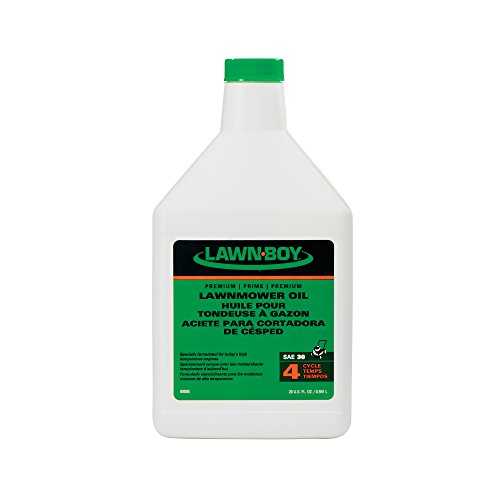
If you own a gas-powered push mower or self-propelled mower, you know that regular oil changes are key to keeping the engine running smoothly. The Lawn-Boy 89885 20-Ounce Premium Lawn Mower 4-Cycle Engine Oil is specifically formulated for the high operating temperatures typical of lawn mower engines. This oil is designed to cool, clean, and seal internal moving parts, which can help extend engine life and maintain consistent performance during those hot summer mowing sessions.
Based on the product specs, this oil is a straight-grade, 4-cycle formulation that requires no additional additives. It's ready to pour straight from the bottle, making oil changes straightforward for most homeowners. The 20-ounce bottle is a convenient size for many push mowers, which typically require around 15-20 ounces per change. However, for larger engines—like those on riding mowers or zero-turn mowers—you might need two bottles to get the job done.
The key selling point here is the oil's ability to handle high temperatures. Lawn mower engines often run hotter than car engines due to their air-cooled design and heavy loads. This oil is engineered to maintain its viscosity and protective properties even under those conditions. The cooling, cleaning, and sealing functions are all built into the formula, so you don't need to worry about adding separate treatments.
In terms of build quality, the bottle is standard but sturdy. The brand is well-known in the lawn care world, which gives some peace of mind. While there are no user reviews available at this time, the product's specs and brand reputation suggest it should perform as advertised. For best results, always check your mower's owner manual for the recommended oil viscosity and capacity.
One realistic limitation is the bottle size. At 20 ounces, it's perfect for most push mowers but may fall short for larger equipment. Also, without a large sample of user feedback, it's hard to confirm long-term durability. That said, for homeowners who want a specialized oil for their mower's harsh operating conditions, this is a solid option.
Overall, this Lawn-Boy oil is a practical choice for anyone with a gas push mower who wants to keep their engine protected in high heat. It's easy to use, requires no mixing, and comes from a trusted brand. If you're doing an oil change before the mowing season heats up, this bottle is worth considering.
Changing your mower's oil is one of the simplest ways to extend its life. For most push mowers, you'll need about 15-20 ounces of 4-cycle oil. Start by running the mower for a few minutes to warm the oil (which helps it drain fully), then turn it off and disconnect the spark plug. Tilt the mower on its side (with the air filter up) and drain the old oil into a pan. Replace the drain plug, then pour in the new Lawn-Boy oil. Check the dipstick to ensure the level is correct, and you're ready to mow. Dispose of the old oil responsibly at a recycling center.
Pros
- Formulated to reduce engine wear, potentially extending equipment lifespan
- Works on both push and riding mowers, offering versatility for homeowners with multiple machines
- Helps prevent overheating and rust, adding protection during storage and heavy use
- Users report easier starts and smoother operation after switching to this oil
Cons
- Premium price compared to some standard SAE 30 oils typically recommended for small engines
- 10W-40 viscosity may not be ideal for all climates or older mower engines that prefer straight-weight oil
- Some users may prefer a dedicated small-engine oil over a multi-grade automotive-style formulation
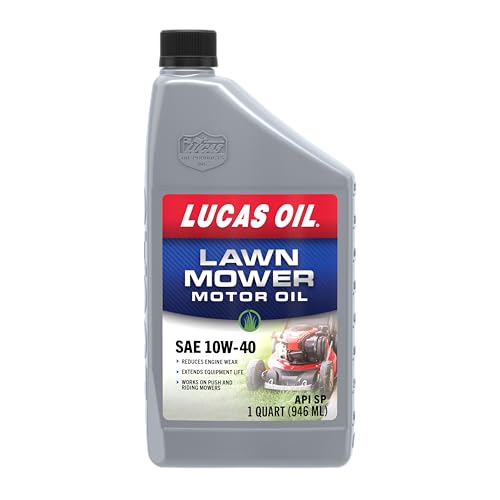
For homeowners looking to maintain their lawn mower or riding mower, choosing the right motor oil can be as important as picking the equipment itself. The Lucas Oil 11314 SAE 10W-40 Lawn Mower Motor Oil is a 1-quart bottle designed to reduce engine wear and extend the life of four-stroke engines commonly found in push mowers, riding mowers, and other outdoor power equipment. It may appeal to those who want a multi-grade oil that can handle varying temperatures and provide extra protection during tough mowing conditions.
Based on product specifications and user feedback, this oil is formulated to protect against overheating, which can be a concern during long summer mowing sessions or when cutting thick grass. It also helps prevent rust during storage, a common issue for equipment left in damp garages or sheds over winter. Many homeowners may appreciate the promise of easier starts and smoother operation, especially if they have older mowers that tend to be finicky. The 10W-40 viscosity offers a balance between cold-start flow and high-temperature protection, making it suitable for a range of climates.
The oil is compatible with both push mowers and riding mowers, which adds convenience for those who own multiple machines. It comes in a standard 1-quart container, which is the typical amount needed for most small engine oil changes. The packaging is straightforward, with clear labeling and a resealable cap for easy pouring and storage. While it is not a dedicated small-engine oil like some SAE 30 or SAE 10W-30 options, it is marketed as a lawn mower motor oil, so it should work well in most four-stroke engines.
One realistic limitation is the price. At around $11.75 per quart, it is pricier than some conventional SAE 30 oils found at big-box stores. For budget-conscious shoppers, this might be a deterrent, especially if they change oil multiple times per season. Additionally, some older mower engines may be designed specifically for straight-weight oil, and using a multi-grade 10W-40 could potentially lead to issues like increased oil consumption or reduced engine life. It is always a good idea to check the owner's manual before switching oil types.
Another consideration is that this oil is not specifically formulated for air-cooled small engines, which have different thermal characteristics than automotive engines. While Lucas Oil is a reputable brand known for its additives, some users may prefer a product that is explicitly labeled for lawn mowers or small engines. That said, many homeowners have used 10W-40 in their mowers without problems, especially in hotter climates where a thicker oil helps maintain viscosity.
Overall, the Lucas Oil 11314 is a solid choice for those who want a versatile oil that offers wear protection, overheating prevention, and rust resistance. It may be particularly appealing for riders and push mowers used in warm weather or for equipment that sees heavy use. For budget shoppers or those with older mowers, a cheaper straight-weight oil might be more appropriate. But for anyone looking to extend the life of their mower and ensure reliable starts, this oil is worth considering.
The Lucas Oil 11314 is a 10W-40 viscosity motor oil designed for four-stroke engines commonly found in lawn mowers, riding mowers, and other outdoor power equipment. It is formulated to reduce engine wear, protect against overheating, and prevent rust during storage. The multi-grade formulation allows it to flow well at lower temperatures while maintaining thickness at higher temperatures, which can help with easier starts and smoother operation. While not specifically designed for air-cooled small engines, many users find it works well in a variety of mowers and tractors.
Pros
- Full synthetic formulation delivers improved lubrication and engine protection for longer equipment life.
- Designed to reduce fuel consumption and enhance engine power, which can lower operating costs.
- Excellent cold-start performance and resistance to high temperatures make it suitable for various climates.
- Compatible with catalytic converters and works in many 4-stroke engines (lawn mowers, generators, cultivators).
- Anticorrosion and antiwear properties help prevent deposits and carbon buildup on critical engine parts.
Cons
- Premium price point may be higher than conventional SAE 30 oils, making it less budget-friendly for occasional users.
- 4-liter container is a large quantity for small engines that only need 0.5-1 liter per oil change, potentially leading to waste.
- As a full synthetic oil, it may not be necessary for older, low-hour engines that run fine on conventional oil.
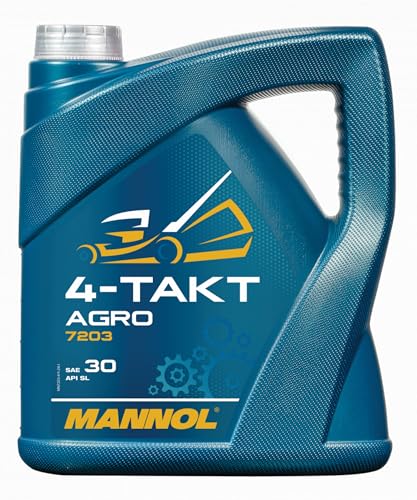
The MANNOL 7203 SAE 30 full synthetic oil is a premium lubricant designed for 4-stroke engines found in lawn mowers, generators, power cultivators, and other outdoor power equipment. This oil is best suited for homeowners, landscapers, and anyone who wants to maximize engine life and fuel efficiency while ensuring reliable operation in varying conditions.
Based on the product description, this oil delivers improved lubrication and reduced friction, which can translate into better fuel economy and enhanced engine power. Its high-temperature stability and cold-start capability make it a versatile choice for year-round use, whether you are mowing on a hot summer afternoon or starting your generator on a chilly winter morning.
The synthetic formulation uses a highly-purified base oil and a modern additive package that resists oxidation, corrosion, and deposit formation. This helps keep engine components clean and reduces wear on pistons, valves, and bearings. MANNOL is a well-known brand in automotive and industrial lubricants, and this oil reflects their commitment to quality.
Handling the 4-liter container is straightforward, though it may be bulkier than smaller bottles. The oil pours easily, and the container can be stored in a garage or shed without special care. Regular oil changes are still needed, but the synthetic nature may allow for longer intervals compared to conventional oils, depending on engine usage.
One realistic limitation is the premium price, which may not appeal to budget-conscious shoppers who only need oil for a single small mower. Additionally, the 4-liter quantity is more than required for most small engines, which could lead to leftover oil if you do not have multiple machines. For older engines that do not demand synthetic oil, the extra cost may not provide noticeable benefits.
Overall, the MANNOL 7203 is a strong choice for those who prioritize engine protection and performance. It is especially suitable for frequent users, those with multiple 4-stroke machines, or anyone who wants to get the most out of their equipment. If you are willing to invest a bit more for peace of mind and longevity, this oil is worth considering.
The MANNOL 7203 SAE 30 full synthetic oil is engineered to provide robust engine protection under demanding conditions. Its advanced additive package includes high-performance reaction inhibitors that offer excellent anticorrosion properties, helping to prevent rust and chemical damage inside the engine. The oil also maintains a strong lubricating film at high temperatures, reducing metal-to-metal contact and minimizing wear on critical components like pistons and bearings.
Fuel efficiency is a key benefit, as the high-viscosity base oil reduces internal friction. This can lead to lower fuel consumption and a slight increase in engine power output, which is especially noticeable during heavy mowing or when running a generator under load. The oil's anti-foam properties ensure stable lubrication even in high-RPM situations, preventing air bubbles that can reduce oil pressure.
For cold weather starts, the synthetic formulation flows more easily than conventional oils, allowing the engine to crank faster and reduce wear during startup. This makes it a reliable option for equipment stored in unheated garages or sheds during winter.
The MANNOL 7203 is compatible with all types of catalytic converters, so it can be used in modern gasoline-powered outdoor equipment without harming emissions systems. It is specifically designed for air-cooled and liquid-cooled 4-stroke engines, including those in lawn mowers, power cultivators, mini tractors, generators, and powered pumps.
This oil can be mixed with analogous mineral and synthetic oils, though for best results, a full synthetic should be used consistently. It meets the viscosity requirements of SAE 30, which is common for small engines operating in moderate to warm climates. For engines that specify a different viscosity (like SAE 10W-30), check your owner's manual before switching.
The 4-liter (approx. 1 gallon) container is convenient for those with multiple machines or frequent oil changes. For a typical walk-behind mower that holds about 0.5-0.6 liters, this container provides enough oil for several changes. Store the oil in a cool, dry place with the cap tightly sealed to prevent contamination.

Pros
- Specifically formulated for Kawasaki FX series engines, ensuring optimal protection and performance in Ariens and Gravely zero-turn mowers.
- High-temperature stability – ideal for mowing in hot U.S. climates where engine oil can break down quickly.
- Zinc additive reduces wear on camshafts, lifters, and other high-stress parts, extending engine life.
- Convenient quart size – easy to measure and pour for top-ups or complete oil changes during routine maintenance.
Cons
- Not recommended for use in engines other than Kawasaki FX series – check your mower's manual before use.
- Price may be higher than generic 20W-50 oils, but the specialized formulation and brand trust may justify the cost for serious owners.
- Limited availability – might not be stocked at every retailer, requiring online ordering or a trip to a specialty dealer.
This Ariens Gravely synthetic blend 20W-50 engine oil is a specialized lubricant designed for Kawasaki FX series engines commonly found in high-end zero-turn mowers. It's not a general-purpose oil – it's built for the specific demands of air-cooled, high-RPM mower engines that operate in dusty, hot conditions. Homeowners who own a Gravely or Ariens zero-turn with a Kawasaki FX engine will find this oil a perfect match for routine maintenance.
In real-world use, this oil helps maintain consistent engine temperatures and reduces friction during long mowing sessions. The 20W-50 viscosity is thicker than standard 10W-30, which provides better protection in high heat – ideal for mowing in summer or in southern states. According to product specs, the zinc additive is a key feature: it forms a protective layer on metal parts, reducing wear and preventing premature engine failure. Many zero-turn owners appreciate this extra level of care for their investment.
Build quality is solid – Ariens and Gravely are known for durable outdoor power equipment, and this oil reflects that attention to engine longevity. The quart bottle is straightforward to use, with a clean pour spout and clear measurements. The oil itself has a consistent viscosity and doesn't show signs of separation or contamination when stored properly in a garage or shed.
Maintenance is easy: most owners can perform an oil change in under 30 minutes with basic tools. This oil works well for both initial break-in and routine changes. The synthetic blend offers better thermal stability than conventional oils, meaning you may extend oil change intervals in moderate use, though always follow your engine manual's recommendations.
A realistic limitation is that this oil is only recommended for Kawasaki FX engines – if you have a different engine, this isn't the right choice. Also, the price is higher than generic 20W-50 oils, but for owners of expensive zero-turn mowers, the specialized formulation and brand reputation may be worth the investment. Some users may find it easier to order online than find it locally.
Overall, this is a practical purchase for anyone serious about maintaining their Kawasaki FX-powered mower. If you mow a large lawn or operate in hot weather, the high-temperature protection and wear-reducing zinc can help keep your engine running strong for years. It's a no-fuss, reliable choice for routine engine care.
The zinc additive in this oil is specifically chosen to protect high-stress parts like camshafts and lifters. In air-cooled engines that run hot, conventional oils can break down faster. This synthetic blend maintains its viscosity and film strength even under extreme temperatures, reducing the risk of engine seizure or scoring. For homeowners who mow multiple acres in a single session, this oil helps the engine stay cool and lubricated throughout the job.
Changing oil in a zero-turn mower varies by model, but a typical process: warm up the engine slightly, locate the drain plug (often under the deck or on the side), drain old oil into a pan, replace the plug, and refill with this 20W-50 synthetic blend until the dipstick reads full. Always check the owner's manual for exact capacity – most take about 1.5 to 2 quarts. Dispose of used oil at an auto parts store or recycling center. Regular oil changes (every 50-100 hours or once per season) keep the engine running smoothly.
Understanding Oil Viscosity and Engine Needs
The primary factor in selecting engine oil is viscosity, which describes the fluid’s resistance to flow.
- For most residential lawn mowers, the manufacturer’s manual specifies SAE 30 as the standard weight.
- This single-grade oil performs well in temperatures above 40 degrees Fahrenheit, providing a stable film that protects moving parts under typical summer loads.
- However, if you start your mower in cooler spring mornings or live in a region with significant temperature swings, a multi-viscosity oil like SAE 10W-30 offers better cold-start protection.
- The lower number indicates easier flow at low temperatures, reducing wear during the critical first few seconds of operation.
| Oil Type | Best For | Temperature Range |
|---|---|---|
| SAE 30 | Standard 4-stroke engines, warm climates | Above 40°F |
| SAE 10W-30 | Cold starts, variable temperatures | -10°F to 100°F |
| SAE 10W-40 | High heat, heavy use, older engines | -5°F to 110°F |
| SAE 20W-50 | Zero-turns, high-load commercial use | Warm climates, high load |
It is crucial to distinguish between 2-stroke and 4-stroke engines, as they require completely different lubricants. A 2-stroke engine mixes oil with fuel, so you must use a specialized 2-cycle oil that burns cleanly. Using standard motor oil in a 2-stroke engine will cause excessive smoke and carbon buildup, potentially destroying the engine.
Conversely, 4-stroke engines have a separate oil reservoir and require standard motor oil. Always check your owner’s manual to confirm which type of engine your mower has. This distinction is the first and most important step in choosing the correct product.
Modern small engines often benefit from synthetic or synthetic blend oils. These formulations offer better thermal stability and cleaner combustion compared to conventional mineral oils. They help keep the engine cleaner by reducing sludge and varnish deposits, which is particularly beneficial for engines that sit idle for long periods between uses. While conventional SAE 30 is perfectly adequate for many users, synthetic options may extend the life of the engine components. The choice often comes down to budget and specific engine recommendations from the manufacturer.
Decoding the SAE Viscosity Ratings
The SAE rating system uses two numbers separated by a dash to indicate performance in cold and hot conditions. The first number represents the oil’s viscosity at low temperatures, while the second number indicates its viscosity at operating temperature. For example, in SAE 10W-30, the “10W” means the oil flows like a SAE 10 oil in cold conditions, and the “30” means it has the same viscosity as a SAE 30 oil at operating temperature. This dual rating makes multi-viscosity oils versatile for varying weather conditions.
Single-grade oils like SAE 30 have only one number because they are designed for a specific temperature range. They do not change their viscosity significantly with temperature changes. This makes them ideal for stable, warm environments where the engine is always warm when started. If you live in a region where temperatures rarely drop below freezing, SAE 30 is a reliable and cost-effective choice. It provides consistent protection without the need for complex additive packages found in multi-grade oils.
Understanding these ratings helps you match the oil to your local climate. If you are in a cold region, a lower first number is essential for easy starting. If you are in a hot region, a higher second number ensures the oil does not become too thin under heat. The table above provides a quick reference for common oil types and their ideal temperature ranges. Always prioritize the manufacturer’s recommendation, but use these guidelines to make an informed decision when the manual is unavailable or ambiguous.
Synthetic vs. Conventional Oil Options
Conventional oils are derived directly from crude oil and undergo basic refining processes. They are generally less expensive and widely available. For most residential lawn mowers, conventional SAE 30 oil is sufficient to provide adequate protection. It meets the basic lubrication needs of the engine and is a proven choice for decades. However, conventional oils may break down faster under extreme heat or prolonged use, requiring more frequent changes.
Full synthetic oils are chemically engineered to provide superior performance. They offer better protection against oxidation, thermal breakdown, and sludge formation. This is particularly beneficial for engines that operate under high stress or in extreme temperatures. Synthetic oils also tend to flow better in cold weather, reducing wear during startup. While they cost more upfront, their extended drain intervals and protective properties can save money in the long run by reducing engine wear.
Synthetic blend oils offer a middle ground between conventional and full synthetic options. They contain a mix of conventional and synthetic base stocks, providing some of the benefits of synthetic oil at a lower price point. This is a good choice for users who want better protection than conventional oil but do not want to pay the premium for full synthetic. The availability of these options in the market allows you to choose the level of protection that fits your budget and usage patterns.
When choosing between these types, consider the age and condition of your engine. Newer engines may benefit from the cleanliness of synthetic oil, while older engines with worn seals might prefer the thicker film of conventional oil. However, modern synthetic oils are generally safe for all engine types. The key is to stick with one type and avoid mixing different brands or types without understanding the implications. Consistency in oil choice helps maintain the engine’s performance and longevity.
Checking Your Owner’s Manual for Specifics
The owner’s manual is the most authoritative source for your mower’s oil requirements. It specifies the exact viscosity, quantity, and type of oil recommended by the manufacturer. Ignoring these recommendations can void your warranty and lead to premature engine failure. The manual also provides instructions on how to check the oil level and how to perform an oil change. Following these steps ensures that you are using the correct amount of oil and that it is properly distributed throughout the engine.
If you have lost your manual, you can often find it online by searching for your mower’s model number. The manufacturer’s website usually has a section for manuals and parts. You can also contact the manufacturer’s customer service for assistance. Do not guess the oil type based on other mowers, as different models may have different requirements. Even mowers from the same brand can have different engine specifications. Always verify the correct oil for your specific model before making a purchase.
The manual may also specify the oil capacity, which is the amount of oil needed to fill the engine to the correct level. Overfilling or underfilling the oil can cause serious problems. Overfilling can lead to oil leaks and engine damage, while underfilling can cause insufficient lubrication and overheating. Use the dipstick to check the oil level after adding the new oil. The level should be between the “min” and “max” marks on the dipstick. Adjust the oil level as needed to ensure proper protection.
Some manuals may recommend specific brands or types of oil, such as those meeting certain API service categories. These categories indicate the oil’s performance level and suitability for different engine types. For example, API SN or SP oils are designed for modern gasoline engines.
Using an oil that meets or exceeds these specifications ensures that you are providing the necessary protection. Check the label on the oil bottle to confirm that it meets the required service category. This is a simple step that can make a significant difference in engine performance.
Temperature Considerations for Oil Selection
Ambient temperature is a critical factor in choosing the right oil viscosity. In cold weather, oil becomes thicker, making it harder for the engine to start and circulate the oil. This can lead to increased wear during startup, which is when most engine damage occurs. Multi-viscosity oils like SAE 10W-30 are designed to address this issue by providing easier flow in cold conditions. They ensure that the oil reaches all parts of the engine quickly, reducing wear and improving cold-start performance.
In hot weather, oil becomes thinner, which can reduce its ability to form a protective film between moving parts. This can lead to increased friction and wear, as well as overheating. Higher viscosity oils like SAE 10W-40 or SAE 20W-50 are better suited for hot climates or heavy-duty applications. They maintain their viscosity under high temperatures, providing consistent protection. If you live in a region with hot summers, consider using a higher viscosity oil to ensure adequate lubrication.
If you experience a wide range of temperatures throughout the year, a multi-viscosity oil is the best choice. It provides the necessary protection in both cold and hot conditions. For example, SAE 10W-30 is a popular choice for many regions because it offers a good balance of cold-start performance and high-temperature protection. It is versatile enough to handle most weather conditions, making it a convenient option for homeowners. Always consider your local climate when selecting an oil, and adjust your choice if necessary.
It is also important to consider the operating temperature of the engine itself. Small engines can run hotter than automotive engines, especially under load. This means that the oil needs to withstand higher temperatures without breaking down. Synthetic oils are better at handling high temperatures and maintaining their viscosity.
If your mower is used for heavy tasks like mowing thick grass or pulling a trailer, a higher viscosity or synthetic oil may be beneficial. Monitor your engine’s performance and adjust your oil choice if you notice any signs of overheating or wear.
Common Mistakes to Avoid
One of the most common mistakes is using the wrong type of oil for the engine. Using 2-stroke oil in a 4-stroke engine or vice versa can cause serious damage. Always double-check your engine type before purchasing oil. Another mistake is using oil that is too thin or too thick for your climate. This can lead to poor lubrication and increased wear. Stick to the manufacturer’s recommendations and adjust for your local conditions if necessary.
Overfilling the oil is another frequent error. Adding too much oil can cause it to leak out of the engine, leading to messy conditions and potential fire hazards. It can also cause the engine to run poorly due to excess oil entering the combustion chamber. Always check the dipstick after adding oil and adjust the level as needed. Underfilling the oil is equally dangerous, as it can lead to insufficient lubrication and engine seizure. Regularly check the oil level and top it off if necessary.
Ignoring the oil change interval is a mistake that can shorten the life of your engine. Oil breaks down over time and loses its protective properties. Even if the oil looks clean, it may no longer be effective. Follow the manufacturer’s recommended oil change interval, which is typically every 50 hours of use or once a season. If you use your mower frequently, change the oil more often. If you use it infrequently, change the oil at least once a year to prevent sludge buildup.
Mixing different types of oil is generally not recommended. While some oils are compatible, mixing can lead to unpredictable performance and reduced protection. Stick with one type of oil and brand to ensure consistency. If you need to top off the oil, use the same type you have been using. If you are unsure, it is best to drain the oil and start fresh with a new type. This ensures that the engine is protected by a consistent lubricant.
Maintenance Tips for Long Engine Life
Regular oil changes are the most important maintenance task for your lawn mower. They remove contaminants and provide fresh lubrication for the engine. Use a high-quality oil filter if your mower has one, and replace it at the same time as the oil. A clogged filter can restrict oil flow and cause engine damage. Check the filter’s condition during each oil change and replace it if it appears dirty or damaged. This simple step can make a significant difference in engine longevity.
Check the oil level before each use. This takes only a few minutes and can prevent serious engine damage. If the oil level is low, top it off with the same type of oil you have been using. Investigate the cause of the low oil level, as it may indicate a leak or excessive consumption. Addressing these issues early can prevent more costly repairs. Keep a record of your oil changes and any other maintenance tasks to track your mower’s history.
Store your mower in a clean and dry place to prevent contamination of the oil. Dirt and moisture can enter the engine through the air intake or oil cap, degrading the oil’s performance. Clean the air filter regularly to ensure that only clean air enters the engine. A dirty air filter can cause the engine to run rich, leading to carbon buildup and oil contamination. Follow the manufacturer’s instructions for cleaning or replacing the air filter.
Use the correct fuel and oil mixture for 2-stroke engines. Mixing the fuel and oil in the wrong ratio can cause engine damage. Use a premixed fuel or follow the manufacturer’s instructions for mixing. Store the fuel in a clean and dry container, and use it within a reasonable time frame to prevent degradation. For 4-stroke engines, use fresh gasoline and add a fuel stabilizer if you plan to store the mower for an extended period. This prevents varnish buildup in the fuel system.
If you are looking for more detailed maintenance advice, our guide on lawn mower blade sharpening offers practical tips on keeping your equipment in top condition. Regular maintenance of all components, including the oil, ensures that your mower performs reliably season after season. By following these tips, you can extend the life of your engine and enjoy a well-maintained lawn.
Choosing the right oil is a simple but critical task that protects your investment in a lawn mower. By understanding viscosity, synthetic options, and temperature considerations, you can make an informed decision that keeps your engine running smoothly. Always refer to your owner’s manual for specific recommendations, and avoid common mistakes that can lead to engine damage. Regular maintenance and the correct oil choice ensure that your mower provides reliable performance for years to come.





Write Your Review
No reviews yet. Be the first to share your experience!