


A riding mower that clicks instead of cranking after winter storage may have a discharged battery, corroded connections, or a battery that can no longer hold a charge. Before buying a replacement, how to revive a dead lawn mower battery starts with identifying the battery type and checking its condition, not simply attaching a charger and hoping for the best. A drained 12-volt lead-acid starter battery may recover with an appropriate charger, while a battery with a failed cell or damaged case should not be put back into service.
A digital multimeter can help distinguish a low resting charge from a deeper failure, and a follow-up charging-system check can reveal why a battery went flat. Safe handling matters: wear eye protection and acid-resistant gloves around lead-acid batteries, keep sparks and flames away, and follow the mower and charger manuals. For broader context, see this guide to mower battery size and fitment and our riding mower battery overview.
Product Shortcode

Pros
- Lightweight and easy to push – great for small yards, uneven terrain, and users who prefer a low-effort mow
- Intellicut technology optimizes battery usage and cutting performance based on grass density
- Dual battery system provides good runtime for 1/8 acre, and batteries work with other WORX tools
- Quiet operation and no gas fumes – eco-friendly and neighbor-friendly
Cons
- 17-inch cutting deck is narrow – may take longer on larger lawns, best suited for small yards under 1/4 acre
- Plastic deck may not be as durable as steel decks on rocky or rough terrain
- Battery runtime may be limited if grass is thick or wet – some users might need extra batteries for larger jobs
The WORX WG743 is a cordless push mower that targets homeowners with small to medium-sized lawns, especially those looking to ditch gas for a quieter, cleaner alternative. With a 17-inch cutting deck and 40V power system (two 20V 4.0Ah batteries), it's designed for yards up to about 1/8 acre. This mower fits the needs of first-time buyers, apartment dwellers with tiny patches of grass, and anyone who values easy storage and low maintenance.
In real-world use, the Intellicut feature stands out. It automatically adjusts blade speed based on grass density – faster through thick patches, slower in thin areas. This helps extend battery life and ensures a consistent cut. The 2-in-1 capability lets you mulch or bag clippings, and the included 1.2-bushel bag has a full indicator so you know when to empty. The single-lever height adjustment offers seven positions from 1.5 to 4 inches, giving flexibility for different grass types and seasons.
Build quality is typical for a budget-friendly battery mower. The deck is plastic, which keeps weight down to 35 pounds but may not withstand heavy abuse. The wheels are sturdy enough for flat lawns, but on rocky or uneven ground, plastic decks can crack over time. The handle is fully collapsible, making storage easy in tight spaces. Assembly is straightforward – most users can set it up in under 30 minutes with basic tools.
For maintenance, you'll need to keep the blades sharp and clean the deck after each use. Batteries charge in about an hour with the included dual charger. The mower is quiet at 89 decibels – you can mow early Saturday without waking the neighbors. No gas, oil, or spark plugs means less hassle.
Limitations include the narrow 17-inch deck – it's not ideal for larger lawns. Battery runtime is adequate for 1/8 acre, but if your grass is thick or damp, you might need a second set of batteries. The plastic deck may feel less premium than steel, but it helps keep the mower light and easy to push.
Overall, the WORX WG743 is a solid choice for budget-conscious homeowners with small yards who want a quiet, easy-to-use cordless mower. It's not for large properties or heavy-duty use, but for its intended size, it delivers reliable performance and great value.
The WORX WG743 runs on two 20V 4.0Ah PowerShare batteries, delivering 40V of power. Based on typical user feedback, these batteries provide enough runtime to mow about 1/8 acre on a single charge under normal conditions. The Intellicut system helps conserve battery by slowing down in lighter grass. Charging both batteries takes roughly 60 minutes with the included dual charger. Batteries are compatible with over 140 WORX tools, so you can expand your outdoor power equipment without buying new batteries.
This mower offers 2-in-1 functionality: mulching and bagging. The included mulch plug allows you to finely chop clippings and return nutrients to the lawn. For bagging, the 1.2-bushel collection bag is easy to attach and empty, and a full-bag indicator lets you know when to stop. The cutting deck is designed to handle moderate grass loads, but very wet or tall grass may clog the bag or mulching chamber. For best results, mow when grass is dry and avoid cutting more than one-third of the blade height at a time.

Pros
- Lightweight 18.52-lb design makes it one of the most portable mowers in its class.
- Cordless with two included batteries - no gas, no cords, no pull-start hassle.
- 5-position height adjustment covers 1 to 2.5 inches for flexible lawn care.
- Push-button start simplifies the mowing routine for beginners and seniors alike.
- Compact footprint and grass bag system work well on small suburban lots.
Cons
- Total runtime of about 30 minutes may not be enough for larger lawns with thick grass.
- 13-inch deck means more passes on anything bigger than a small yard.
- No self-propelled drive, so you'll do all the pushing on uneven ground.
This DEKOPRO 20V cordless lawn mower is a compact walk-behind electric mower built for small yards, side strips, and patio green spaces. With a 13-inch cutting deck and a lightweight frame, it targets homeowners who want a simple, no-gas alternative to a full-size gas mower. If your lawn is more patch than pasture, this machine may be all you need for regular upkeep.
Performance-wise, the 750W motor spins the blade with enough power to handle normal lawn grass and light weeds. The five-position height adjustment lets you lower the blade for a closer cut or raise it for taller summer grass, all without tools. The 11-gallon grass bag uses a wide opening and airflow-friendly design to pull clippings out of the way, so you spend less time shaking out a full bag and more time finishing the yard.
The mower weighs only 18.52 pounds, which changes the feel of small-yard mowing. You can maneuver around flower beds, under trees, and along fences without wrestling a heavy steel deck. The push-button start is a nice upgrade over pulling a cord, and the lack of gas and oil means no messy refills or filter changes. The deck itself appears built for light-duty use, with materials that should hold up fine for seasonal trimming if stored indoors.
Setup is straightforward: attach the handle, drop in the batteries, and you're ready to roll. Storing it is easy because it doesn't take up much garage or shed space. Battery charging takes a few hours, and the two included 4.0Ah batteries give you about 15 minutes each. That's enough for quick touch-ups, but you'll need to plan your mowing around a mid-session battery swap if the grass is thick.
For buyers with larger properties, the 13-inch deck and limited runtime could feel restrictive. You'll make more passes, and a long, damp lawn may drain the batteries sooner. But for a condo courtyard, a small front yard, or just keeping the edges tidy, this cordless mower offers a practical, low-maintenance solution at a budget-friendly price. It's best to set expectations: this is a nimble helper, not a heavy-duty workhorse.
With a 13-inch blade and a 750W motor, this mower is designed for precision trimming rather than broad-acre mowing. The cutting height range of 1 to 2.5 inches covers most common lawn lengths, and the five fixed positions make it easy to dial in your preferred cut. The deck is narrow enough to slip between garden beds and along walkways, which is a plus for detailed yard work.
Bagging performance is helped by the 11-gallon grass catcher and its wide opening. On a dry lawn, the airflow directs clippings into the bag without excessive clogging. Mulching is possible if you ride without the bag, but the mower doesn't come with a dedicated mulching plug or side discharge, so most users will stick with bagging for a clean result.
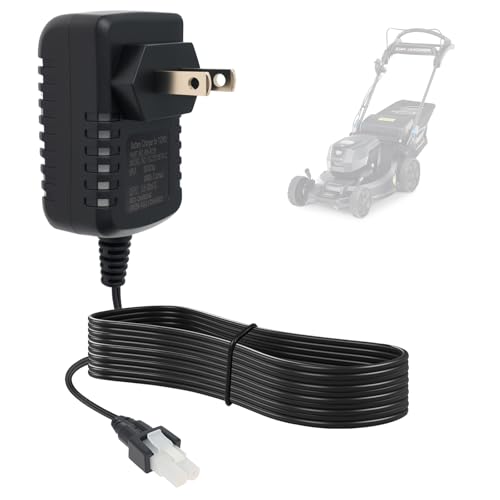
The mower comes with two 20V 4.0Ah lithium-ion batteries and a charger. Each battery delivers roughly 15 minutes of run time, giving you about 30 minutes total when you swap packs. That's enough for a small yard or a quick cleanup pass, but not for long sessions on thick grass. Charging time is typical for this class, so it's a good idea to keep both batteries topped off.
For eco-conscious homeowners, the cordless design means zero emissions and less noise than a gas engine. You can mow early on a Saturday without waking the whole street, and you never have to worry about stale fuel or spark plug maintenance. Just charge, slide in a battery, and start.
The mower frame and deck are built for light-duty residential use. The plastic components keep weight down, but they also mean the mower isn't meant to handle heavy brush or rocky terrain. With normal care, it should last through several seasons of small-yard mowing. Store it in a dry shed or garage, and wipe the underside after each use to prevent grass buildup.
Maintenance is minimal: keep the blade sharp, clean the deck, and charge the batteries after every session. There's no oil to change, no air filter to replace, and no spark plug to gap. For first-time mower buyers or anyone tired of gas-engine upkeep, this is one of the most straightforward machines to own.

Pros
- Powerful brushless motor provides ample torque for thick grass and longer runtime.
- AeroDeck design reduces clumping and improves bagging efficiency.
- Intellicut technology automatically optimizes power usage for varying lawn conditions.
- Compatible with Worx PowerShare system, letting you share batteries with other tools.
- Easy to store vertically with collapsible handle, ideal for tight spaces.
Cons
- At 55.6 pounds, this mower is on the heavier side for a push model, which may be tiring for some users.
- Battery runtime may not be sufficient for lawns approaching the full half-acre if conditions are very thick.
- No self-propelled option, so it requires manual pushing on slopes or uneven terrain.
The Worx WG752 is a cordless push lawn mower designed for homeowners with medium-sized lawns up to half an acre. It combines a 40V brushless motor with innovative deck technology to deliver efficient cutting without the hassle of cords or gas. This mower is ideal for those who prefer battery power and want a reliable, low-maintenance alternative to traditional gas mowers.
When it comes to cutting performance, the WG752 features AeroDeck technology, which uses a vented design to increase airflow inside the deck. This helps prevent clogs and clumping, even in damp or dense grass. The Intellicut system automatically adjusts motor speed based on grass thickness, so you get consistent power without wasting battery. The 3-in-1 capability lets you switch between mulching, bagging, and rear side-discharge with the included plug and chute, giving you flexibility for different yard conditions.
The mower is built with a durable deck and sturdy wheels, likely designed to withstand regular use. The brushless motor is known for longevity and efficiency, and the PowerShare Pro batteries are compatible with a wide range of Worx tools. The overall construction feels solid, but at 55.6 pounds, it's heavier than some comparable cordless mowers, which may affect maneuverability on slopes.
Assembly is straightforward, with the collapsible handle making it easy to store vertically in a garage or shed. The single-lever height adjustment allows quick changes from 1.5 to 4 inches, accommodating different grass types and seasons. Maintenance is minimal – just keep the blades sharp and the deck clean. The batteries charge in about 2.5 hours with the included dual charger, and the onboard indicator shows remaining runtime.
One potential downside is the lack of self-propulsion, which means you'll need to push the mower yourself. The weight can be a factor on hilly terrain or for users with limited strength. Battery runtime is advertised for up to half an acre, but heavy or wet grass may reduce that. Also, since there are no user reviews yet, long-term reliability is unproven.
For the price, the Worx WG752 offers a solid set of features for a battery-powered push mower. If you have a flat to moderately sloped lawn under half an acre and want the convenience of cordless operation with the flexibility of a shared battery platform, this mower is worth considering. It's particularly suited for eco-conscious homeowners who want to avoid gas and emissions. However, if you need a self-propelled model or have a larger lawn, you might want to look at other options.
The Worx WG752 comes with two 20V 5.0Ah PowerShare Pro batteries that combine to deliver 40V of power. According to the manufacturer, this setup provides enough runtime for lawns up to half an acre under normal mowing conditions. The included 4.0A dual charger can fully charge both batteries in about 2.5 hours, minimizing downtime between mows.
One key feature is the Intellicut system, which automatically adjusts motor speed based on grass density. This helps conserve battery life when mowing thinner areas, extending runtime. The batteries also have an onboard charge-level indicator, so you can easily check remaining power before starting.
Another advantage is the PowerShare platform – these batteries work with over 140 other Worx tools, including string trimmers, leaf blowers, and chainsaws. This makes it easy to build a battery-powered outdoor equipment lineup without needing separate chargers or batteries. For homeowners who already own Worx tools, this mower is a natural addition.
Reviving a Dead Mower Battery: Diagnose Before Charging
A battery that appears dead may be deeply discharged, poorly connected, or internally damaged. Start by identifying whether the mower uses a 12-volt starter battery or a removable, proprietary cordless pack, because their charging systems and recovery options are not interchangeable. The checks below focus primarily on the 12-volt lead-acid battery found on many riding mowers and zero-turn machines.
Identify the Battery and Check for Damage
Read the battery label and the mower manual before choosing a charging method. A conventional flooded lead-acid or sealed AGM starter battery requires an appropriate 12-volt charger; a cordless mower pack requires its own compatible charger and platform-specific instructions. Do not try to revive a proprietary lithium-ion pack with an automotive charger, and do not open, pry apart, or rebuild a sealed battery.
Inspect the case before connecting anything. A cracked, leaking, swollen, unusually hot, or frozen battery is not a candidate for home charging; keep clear and follow the manufacturer’s disposal or service guidance. For a flooded battery, avoid contact with electrolyte and do not remove vent caps unless the product instructions specifically call for it. Lead-acid batteries can release explosive gas during charging, so work in a ventilated location and keep ignition sources away.
Look for loose cables, corrosion, damaged insulation, and a hold-down that no longer secures the battery. A weak ground connection or dirty terminal can mimic a failed battery by restricting current to the starter. If the battery must be removed, switch the mower off and follow its manual; disconnect the negative cable first, then the positive cable. Wear eye protection and acid-resistant work gloves while handling lead-acid batteries.
Measure Resting Voltage Before Selecting a Charge
Set a digital multimeter to DC volts and confirm the meter’s leads are in the correct sockets. With the mower off and the battery disconnected from any charger, place the red probe on the positive terminal and the black probe on the negative terminal. Keep the probes from touching each other or bridging the terminals with a tool. If the manual gives a specific testing procedure, use that procedure.
A healthy, fully charged 12-volt lead-acid battery commonly reads about 12.6 to 12.8 volts at rest. A reading near 12.2 volts indicates substantial discharge, but it does not by itself prove the battery is ruined. A reading below 10.5 volts can indicate a failed or shorted cell, especially if the battery remains low after charging. Voltage is a useful screening check, not a substitute for a proper load test when the result is uncertain.
Record the reading before charging, then note what happens after the battery has been charged according to its instructions and allowed to rest. A battery that rises during charging but quickly falls again may have lost capacity or developed an internal fault. A charger that refuses to start may also be reacting to a very low voltage, but do not defeat the charger’s protection or force current into the battery. Ask a battery retailer or qualified service provider about testing if the charger and manual do not provide a safe recovery procedure.
Charge with a Matched 12-Volt Battery Charger
Use a charger explicitly suitable for the battery’s chemistry and voltage, and follow both manufacturers’ instructions for connection, charging rate, and ventilation. A smart charger designed for small 12-volt lead-acid batteries is generally a more appropriate choice than an automotive charger with an unknown or high output. Do not assume that a charger’s “repair” or desulfation setting is safe for every battery. AGM and flooded batteries can have different charging requirements.
Before charging, make sure the charger is switched off or unplugged as directed by its manual. Confirm polarity before attaching the clamps: positive to positive and negative to negative. Keep the charger and leads away from moving parts, moisture, and battery vents, and do not charge a damaged or frozen battery. Follow the charger’s connection and disconnection sequence rather than improvising one.
Let the charger complete its stated cycle; do not leave a basic, unregulated charger connected indefinitely. If the battery becomes hot, vents heavily, leaks, or produces an unusual odor, stop charging if it is safe to do so and follow the manufacturer’s safety directions. Do not place a battery in an oven, use a high-amp boost setting to force a response, or attempt to revive it by shorting its terminals. These shortcuts can create fire, acid, or electrical hazards.
After charging, disconnect the charger as instructed and let the battery rest before checking its voltage again. A reading in the healthy resting range suggests the battery accepted a charge, but it does not establish that it can deliver starter current. If the mower still cranks slowly or the voltage collapses when the starter is engaged, arrange a suitable battery load test instead of repeatedly charging it. A battery that cannot hold charge may need replacement rather than another recovery attempt.
Clean Connections and Confirm Cable Polarity
Corrosion and loose hardware can waste the current a starter needs, even after a successful charge. With the mower off and the battery isolated as its manual directs, inspect the terminal surfaces and cable ends. Do not allow a wrench to connect a terminal to the mower frame, and avoid creating sparks near the battery. If corrosion is extensive, the cable is damaged, or acid has leaked, stop and seek appropriate service.
Replacement fitment involves more than selecting a 12-volt battery. Many riding mower starter batteries use BCI Group U1 or U1R cases, which can have different positive-terminal positions. Check the battery label and mower documentation, then verify that the positive and negative cables reach their matching posts without stretching or crossing. A wrong terminal layout can make short factory cables difficult to connect safely.
Terminal hardware also needs to match the mower cables. Some batteries use bolt-through flag terminals, while others have different post arrangements; do not force a cable lug onto an incompatible terminal. Confirm that the case fits the tray and the hold-down can secure it before reconnecting. During installation, connect the positive cable first and the negative cable last, maintaining correct polarity and following the mower manufacturer’s directions.
Use Jump-Starting Only as a Temporary Diagnostic Step
A jump-start may help determine whether a discharged 12-volt battery is contributing to a no-start, but it does not repair a worn-out battery or diagnose every electrical fault. Follow the mower and donor equipment manuals, use a suitable 12-volt source, and connect positive to positive and negative to negative. Keep clamps clear of moving parts and avoid sparks near the battery. Do not attempt a jump-start if the battery is cracked, leaking, frozen, or visibly swollen.
The donor vehicle’s engine must remain OFF while jump-starting a 12-volt riding mower or zero-turn. A running vehicle can expose the mower’s charging components to electrical conditions that may damage its stator or voltage regulator. If you are unsure of the connection points or sequence, do not proceed; check the equipment manuals or have a qualified technician handle it.
Once the mower starts, remove the connections in the sequence specified by the manuals and avoid letting clamps touch. A successful start does not prove that the mower will recharge a depleted battery properly. If it stalls again or fails to restart, investigate the battery and charging system rather than relying on repeated jumps. Never bypass the starter solenoid or safety switches to force the engine to crank.
Find the Reason the Battery Went Flat
A battery that revives and then goes dead again may be losing charge while parked, failing internally, or not receiving charge from the mower. Check whether lights or accessories were left on, and inspect wiring for obvious damage or loose connections. A parasitic draw can require circuit-by-circuit diagnosis, so do not pull or bypass safety components without the manual’s guidance. Repeated deep discharge can shorten lead-acid battery life.
If the engine runs, a technician or capable owner can check charging output using the mower’s specified procedure and a multimeter set to DC volts. The general benchmark supplied for a functioning charging system is approximately 13.5 to 14.5 volts DC at full operating throttle, measured at the battery. Exact procedures and expected readings can vary by mower, so consult its service information. A reading outside the specified range calls for charging-system diagnosis, not an automatic assumption that the battery itself is bad.
Other no-start causes include a faulty starter solenoid, damaged ground cable, ignition issue, or an interlock condition. Rapid clicking often accompanies low voltage or a poor connection, but it does not identify the failed part by itself. If a charged battery reads well at rest yet the starter will not turn, have the starting circuit checked rather than replacing parts at random. A mower battery sizing and retail guide can help with replacement shopping after diagnosis, but the mower manual remains the fitment authority.
Prevent Another Springtime Discharge
Lead-acid batteries self-discharge during storage, and an unattended battery can become deeply discharged over a long off-season. Charge it fully before storage if the manufacturer recommends doing so, then use a compatible smart maintainer only as its instructions allow. A continuous trickle charger without appropriate regulation can overcharge a battery. Disconnecting a cable may reduce certain parked draws, but use the mower manual for storage steps.
Store the battery in a dry, ventilated location within the temperature range specified by its manufacturer. Keep terminals clean and the battery secured, and check its condition periodically rather than waiting until the first mowing day. For a flooded battery, follow the label’s water and maintenance directions; do not apply those instructions to a sealed AGM battery. Recycling an unusable lead-acid battery through an appropriate retailer or local collection program keeps its materials out of ordinary household waste.
Cordless walk-behind mowers use a different recovery path. The listed WORX Cordless Lawn Mower models use a 40-volt system built from compatible PowerShare batteries, while the DEKOPRO mower listing specifies two 20-volt lithium-ion batteries. Those product details do not establish compatibility with each other or with other brands. Use only the charger and packs approved for the exact mower platform, and let a hot pack cool as instructed rather than trying to bypass its protection.
The practical decision is straightforward: charge a sound 12-volt battery with a suitable charger, retest it after resting, and investigate the mower if the charge does not hold or the battery repeatedly goes flat. Replace a damaged battery or one that fails an appropriate load test, and match the replacement’s voltage, case, terminal position, and mower requirements. Confirm the charging system is working after the engine starts so the same failure does not return at the next startup.




Write Your Review
No reviews yet. Be the first to share your experience!