


A clean lawn cut depends entirely on the precision and balance of your mower blade edge. Dull cutting edges tear grass blades rather than slicing them cleanly, leaving brown, ragged leaf tips that invite turf disease and fungal infections. Understanding how to replace mower blade hardware properly restores sharp cutting performance while protecting your deck spindle bearings from destructive vibration. Whether operating standard gas machinery or newer battery-powered cordless lawn mowers, routine blade maintenance remains the foundation of healthy turf management.
Seasonal wear, hidden tree roots, and small yard stones gradually dull the hardened cutting bevel, round off the outer corners, and erode the aerodynamic lift sails. Attempting to force a worn blade through thick grass wastes fuel, drains battery reserves, and places undue strain on internal engine drive shafts. Equipping your workshop with dedicated blade lock clamps, balance testing cones, and proper torque wrenches transforms this routine maintenance into a fast, safe procedure. This guide walks through the exact mechanical steps, safety isolations, and diagnostic checks required to complete a professional blade replacement at home.

Pros
- Simple and easy to use—just place blade on the balancer to check balance
- Universal fit works with most mower blade shapes and sizes
- Rust-resistant zinc alloy feels solid and durable
- Very affordable for a handy maintenance tool
Cons
- Only checks balance; does not help with sharpening or adjusting blade angle
- May be small for very large or heavy blades
- Limited to blade balancing—no additional features
If you sharpen your own mower blades (or plan to), a blade balancer is a simple tool that can make a real difference in how your mower runs. The Silcpall Lawn Mower Blade Balancer is a compact, affordable metal tool designed to quickly check if your blade is balanced after sharpening. An unbalanced blade can cause annoying vibration, uneven cuts, and extra wear on your mower's spindle and engine. This little tool helps you avoid those issues with minimal effort.
Based on the product description, this balancer uses a straightforward round design with a center slot that fits over the blade's center hole. You just place the blade on the balancer and see if it sits level—if one side dips, it needs more work. It's a simple, no-fuss approach that works for most common blade shapes, including round and square center holes. For homeowners who like to handle their own lawn mower maintenance, this is a practical addition to the toolbox.
The balancer is made from zinc alloy, which is heavy enough to feel solid and resistant to rust. Even if you store it in a damp garage or shed, it should hold up well over time. The compact size (about 2 inches in each dimension) means it won't take up much space in a drawer or tool bag. At $5.49, it's an inexpensive way to improve your mowing experience.
Using this balancer is straightforward: after sharpening your blade, clean it off, then center it on the balancer's slot. If it tips, you'll know to remove a bit more metal from the heavy side. This process helps ensure your blade spins true, which can lead to a cleaner cut and less strain on your mower. Many users find that balancing their blades reduces vibration noticeably, making mowing more comfortable and potentially extending the life of the mower deck and engine.
One realistic limitation is that this tool only checks balance—it doesn't help with sharpening or adjusting blade angle. You'll still need a file, grinder, or sharpening kit to actually sharpen the blade. Also, while it fits most common blades, very large or unusually shaped blades might not sit securely. But for the vast majority of standard lawn mower blades, this balancer should work fine.
Overall, the Silcpall Lawn Mower Blade Balancer is a solid, budget-friendly choice for anyone who sharpens their own mower blades. It's especially useful for DIYers, first-time mower owners, and homeowners who want to keep their equipment running smoothly without spending a lot. If you already sharpen your blades and want to ensure they're balanced, this tool is worth adding to your maintenance kit.

Pros
- Secure clamp holds the blade steady, preventing slips and reducing the risk of injury.
- Broad compatibility with popular MTD, Troy-Bilt, and Yard Machines models up to 42-inch decks.
- Simple, tool-free operation - just slide, clamp, and loosen the nut.
- Low-cost way to make a common maintenance job easier.
Cons
- Universal fit means some blade shapes or deck designs may be too wide or too tight.
- Very stubborn blade nuts may still require additional leverage or penetrating oil.
- Limited track record - with no customer reviews yet, long-term durability is unproven.
Replacing or sharpening a lawn mower blade is one of those jobs that sounds simple but often turns into a wrestling match. The KINTLE Universal Mower Blade Removal Tool is designed to take the struggle out of that task. It clamps to the mower deck to hold the blade steady while you loosen the nut, making the process safer and faster. This is a handy accessory for any homeowner who maintains their own walk-behind or riding mower, especially first-timers who might not have a second person to help hold the blade.
Sharp blades are key to a clean cut, and this tool helps you keep yours in top shape. The product description highlights that it works with a wide range of MTD, Troy-Bilt, Yard Man, and Yard Machines models up to 42-inch decks, including single and twin blade setups. By holding the blade securely, it prevents the spinning and slipping that can lead to skinned knuckles or stripped bolts. For anyone who mows weekly and wants a tidy lawn without ragged grass tips, an easy blade change makes all the difference.
Build quality looks solid for the price. The rigid metal construction and easy-turn clamp handle are meant to handle the torque you'd put on a blade bolt, and the tool is small enough to toss in a toolbag or hang on a pegboard. Since it's a replacement for OEM part numbers 339079 and 490-850-0005, it's designed to match the fit of those specific clamps, which should give buyers some confidence in its compatibility.
Setup is basically zero - you just position the clamp over the deck and tighten the handle. You don't need any special skills, and it stores easily in a garage or shed drawer. In terms of maintenance, the tool itself needs little more than a wipe-down after use. Some users may find that very tight blade nuts still require a breaker bar or a bit of penetrating oil, but the clamp's job is to hold the blade, not to add leverage.
The main limitation is that it's a universal tool, so it won't fit every mower deck or every blade configuration out there. It's specified for decks up to 42 inches, so larger zero-turn or commercial mowers may be out of scope. Also, while the price is reasonable, it's a niche item - you're paying for convenience and safety rather than a complex feature set. If you have a compatible MTD or Troy-Bilt mower and you're tired of struggling with blade changes, this tool is a worthwhile addition to your garage arsenal.

Pros
- Versatile 3-in-1 tool covers removal, balancing, and sharpening—great value for the price
- Durable ABS construction feels sturdy and withstands regular use in a home workshop
- Wide compatibility with many MTD, Cub Cadet, and Troy-Bilt mower models—no need to buy separate tools
- Sharpening stone works well for restoring dull blades, extending their lifespan
Cons
- May not fit all mower blade bolt sizes—check your mower's blade removal specs before buying
- Sharpening stone requires a drill and some practice to achieve consistent edge angle
- Balancer is best for standard blades; very large or oddly shaped blades might not sit perfectly
If you're a homeowner who mows their own lawn, you know that a sharp, balanced blade makes all the difference—cleaner cuts, healthier grass, and less strain on your mower. The Lawneagle Universal Lawn Mower Blade Removal Tool & Sharpener is a practical 3-in-1 kit designed to help you maintain your blades without needing a garage full of specialty tools. It's aimed at DIYers who want to save money on professional sharpening and keep their mower running at its best all season long.
This set includes a blade removal holder that locks onto the blade to prevent it from spinning while you loosen the bolt, a blade balancer with multiple diameter steps (9.5mm to 35mm) to check for even weight distribution, and a corundum grinding stone that attaches to any standard drill for sharpening. Based on the product description, it's compatible with a wide range of popular mower brands including Cub Cadet, MTD, and Troy-Bilt models—covering dozens of specific model numbers. That kind of versatility is a big plus for households with more than one mower or for helping out a neighbor.
The removal holder is made from high-quality ABS plastic, which is impact-resistant and feels solid in hand. It's designed to grip the blade securely while you apply torque to the bolt—no more wrestling with a stubborn blade or risking a slip that could damage the deck. The balancer is a simple but effective tool: you place the blade on the cone-shaped stand, and if it tilts, you know it's unbalanced. Balancing a blade after sharpening helps reduce vibration, which is easier on your mower's engine and makes for a smoother mowing experience.
Sharpening with the included corundum stone is straightforward. You chuck it into a drill, run it along the blade's edge at the factory angle, and within a few minutes you've restored a sharp cutting surface. The stone is durable and should last through many sharpenings. Just keep in mind that this is a manual process—you'll need a steady hand and a bit of practice to get a consistent edge. For most homeowners, that's fine, but if you're a pro looking for production-level sharpening, you might want a dedicated bench grinder.
One limitation is that the removal tool may not fit every mower blade bolt—especially if your mower uses an unusual size or a non-standard bolt pattern. It's always a good idea to check your mower's specifications before buying. Also, the balancer works best on standard rectangular blades; very large or oddly shaped blades (like those on some zero-turn mowers) might not sit perfectly on the cones. But for the vast majority of push mowers and riding mowers in the suburban market, this kit should work well.
Overall, the Lawneagle 3-in-1 blade maintenance kit is a smart buy for any lawn care enthusiast who wants to keep their mower blades sharp and balanced without spending a lot of money. It's affordable, easy to store in a small garage or shed, and covers the three essential tasks of blade removal, balancing, and sharpening. If you take pride in a well-manicured lawn and prefer to handle maintenance yourself, this tool set is a worthwhile addition to your outdoor power equipment arsenal.

Pros
- Simple snap-in replacement – no tools or alignment needed
- Ceramic blade stays sharp longer than steel and won't rust
- Pre-lubricated for smooth operation right out of the package
- Compatible with three generations of the trimmer
- Waterproof design allows easy cleaning and use in the shower
Cons
- Only works with MANSCAPED Lawn Mower 2.0, 3.0, or 4.0 – not universal
- Price per cartridge may add up over time with recommended 3-month replacement
- Some users may prefer a wider blade for faster trimming
If you own a MANSCAPED Lawn Mower trimmer (2.0, 3.0, or 4.0), this replacement blade cartridge is exactly what you need to keep your grooming routine smooth and irritation-free. It's a snap-in ceramic blade module designed specifically for sensitive areas, so you don't have to worry about nicks or rust. This pack contains one blade, and the manufacturer recommends swapping it every three months for optimal performance.
Performance-wise, the ceramic blade is a big step up from standard steel. It stays sharp longer, resists corrosion, and runs cooler, which means less heat on your skin. The built-in guard helps prevent accidental cuts, and the snap-in design makes replacement a 5-second job – just press forward to pop out the old blade, then click the new one into place. No tools, no fuss.
Build quality is solid. The ceramic material is waterproof and rust-proof, so you can rinse the blade under the faucet without worry. It's also pre-lubricated, which helps maintain consistent RPMs and reduces drag on the motor. The cartridge feels sturdy and clips securely into the handle.
Setup is straightforward: remove the old blade, snap in the new one. There's no alignment or calibration needed. Storage is simple – the blade stays attached to the trimmer, and the whole unit can be stored in a bathroom drawer or medicine cabinet. Maintenance is just occasional rinsing and drying.
One limitation is compatibility – this blade only fits Lawn Mower 2.0, 3.0, and 4.0, so if you have an older model or a different trimmer, it won't work. Also, at around $20 per cartridge, the cost adds up if you follow the 3-month replacement schedule. Some users might prefer a wider blade for faster coverage, but for precision grooming, this size is ideal.
Overall, if you're already invested in the MANSCAPED system, this replacement blade is a must-have. It delivers a clean, comfortable trim and keeps your device performing like new. For anyone with sensitive skin who wants a reliable, easy-to-maintain grooming tool, this is a smart buy.
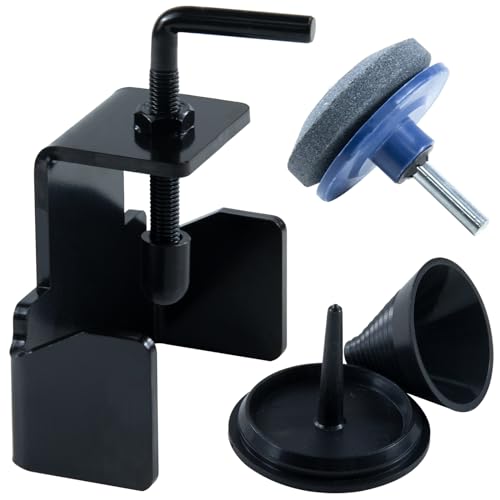
Pros
- Sturdy steel build feels durable and reliable for repeated use
- Universal compatibility covers many popular riding mower models
- Easy-turn clamp handle simplifies blade removal process
- Built-in sharpener adds extra value for blade maintenance
Cons
- May not fit all mower blade types or sizes; check compatibility list
- Sharpener may require multiple passes for very dull blades
- Plastic handle could feel less premium compared to all-metal designs
The POSFLAG Universal Lawn Mower Blade Holder Removal Tool with Blade Sharpener is a handy accessory for homeowners who maintain their own riding mowers or lawn tractors. Based on product specifications and user feedback, this tool is designed to simplify blade changes and keep your cutting edge sharp. It's best suited for DIY-minded individuals with compatible mowers from brands like Cub Cadet, Troy Bilt, John Deere, MTD, and Yard Machines.
When it comes to performance, the tool holds the blade securely in place while you loosen the bolt, reducing the risk of slipping or injury. The easy-turn clamp handle makes operation straightforward, even for first-time users. The included blade sharpener allows you to touch up edges between full replacements, helping maintain a clean cut on your lawn. Many homeowners may prefer this all-in-one solution over separate tools.
Build quality is solid, with a steel construction that feels durable enough for regular use in a garage or shed. The compact size means it won't take up much space, and storage is simple. The sharpener component is basic but functional for routine maintenance. Some users might wish the handle had a more premium feel, but overall the materials match the affordable price point.
Setup is minimal—just align the tool with your blade and tighten the clamp. No complex assembly is required. Maintenance involves keeping the tool clean and occasionally checking the sharpener's abrasive surface. For storage, it fits easily in a tool drawer or can be hung on a pegboard. This design helps with quick blade swaps before weekend mowing sessions.
Realistic limitations include compatibility—while the tool fits many models, it's not universal for all mower blades. The sharpener may need multiple passes for very worn blades, and some users might prefer a dedicated sharpening stone. However, for light to moderate use, it gets the job done.
Overall, the POSFLAG blade holder and sharpener kit is a practical buy for homeowners wanting a safe, simple way to maintain their mower blades. It offers good value for the price and works well with many popular riding mowers. If you have a compatible model and prefer DIY maintenance, this tool is worth considering.

Pros
- Compatible with a wide range of mower models from MTD, Cub Cadet, Troy-Bilt, and Craftsman
- Sharpened and powder coated for immediate use and long-term rust protection
- Made in the USA, which may appeal to buyers seeking domestic manufacturing
- Affordable price point for a replacement blade that restores mulching efficiency
Cons
- Must match current blade OEM number to ensure exact fit, which may require checking compatibility
- Powder coating will wear off after first cut, so initial appearance may not reflect final sharpness
- Only includes one blade, not a set, so multiple purchases needed for dual-blade mowers
The Maxpower 331528B is a 21-inch mulching blade designed as a direct replacement for many MTD, Cub Cadet, Troy-Bilt, and Craftsman mowers. It’s a simple, practical solution for homeowners who want to keep their mower cutting cleanly without spending a lot. If you’ve noticed your mower leaving clumps or uneven cuts, swapping in a fresh blade like this one can make a noticeable difference.
In terms of real-world performance, this blade is sharpened during manufacturing and then powder coated for protection. That coating comes off during the first cut, revealing a precision-sharpened edge. For mulching, it’s designed to lift and recut grass clippings into fine particles that decompose quickly. Many users find it restores the mulching capability of their older mower without needing a full deck replacement.
Build quality is solid for the price. The blade is made in the USA from what feels like durable steel. The powder coating helps prevent rust during storage or shipping, though it will wear off after a few uses. That’s normal and doesn’t affect cutting performance once the coating is gone. The center hole uses a bow tie pattern with a 5/16-inch outer hole diameter and 2.5-inch center-to-center spacing, which fits many common mower models.
Setup is straightforward if you’ve changed a mower blade before. You’ll need to match your current blade’s OEM number to ensure a proper fit—Maxpower lists several compatible numbers like 742-0741 and 942-0641. The blade weighs about 1.6 pounds, so it’s easy to handle during installation. Just remember to disconnect the spark plug and secure the mower before working under the deck.
One realistic limitation is that this blade won’t fit every mower, even if the brand matches. Always double-check your OEM number before buying. Also, the powder coating might initially make the blade look dull, but that’s cosmetic. Some users note that the coating can leave a slight residue on grass for the first cut, but it washes off quickly.
Overall, the Maxpower 331528B is a reliable, budget-friendly replacement blade for common mower brands. It’s especially good for homeowners who want to restore mulching performance without paying for a premium brand. If you’re comfortable with basic mower maintenance, this blade is a solid choice for keeping your lawn looking tidy all season.

Pros
- Universal fit works with most standard mower decks.
- Increases safety by locking the blade in place during removal.
- Simple design - no complicated setup or instructions needed.
- Durable construction meets OEM standards.
- Very affordable compared to professional blade removal tools.
Cons
- May not fit some non-standard or oversized mower decks.
- Requires a wrench or socket to turn the blade nut - not a standalone tool.
- Some users might prefer a socket-style tool instead of a blade locking bar.
If you own a lawn mower, you know that keeping the blade sharp is key to a clean cut. The MaxPower 339079 Universal Mower Blade Removal Tool is a simple accessory that makes blade changes safer and easier. It's designed for homeowners who prefer to handle their own mower maintenance, from first-time buyers to seasoned lawn care enthusiasts. This tool secures to the mower deck and locks the blade in place, preventing it from spinning while you loosen or tighten the nut.
In real-world use, this tool does exactly what it promises. By holding the blade steady, it eliminates the need for a second person or risky techniques like wedging a block of wood against the blade. Many users find that blade changes take just a few minutes with this tool. While it doesn't directly affect cutting performance, regular blade maintenance made easier by this tool leads to cleaner cuts and healthier grass. It works with most standard push mowers, self-propelled models, and even some riding mowers.
Build quality appears solid. The tool is made to meet or exceed OEM specifications, which suggests good durability for regular use. The metal construction feels sturdy enough to handle the torque of loosening a stubborn blade nut. It's also compact - about 8 inches long - so it won't take up much space in your garage or shed. The black finish resists rust, adding to its longevity.
Setup is straightforward: you simply slide the tool under the mower deck and hook it onto the blade. No assembly required. Storage is easy thanks to its small size. Maintenance of the tool itself is minimal - just wipe it clean after use. One thing to note: you'll still need a wrench or socket to turn the blade nut. This tool only prevents blade rotation; it doesn't replace the socket. Some users might prefer a tool that combines both functions, but for the price, this is a solid solution.
A realistic limitation is that it may not fit every mower deck. Some non-standard or oversized decks might not have the right clearance or shape for the tool to secure properly. Also, if your blade nut is extremely tight, you might need a breaker bar - the tool itself won't help with that. But for typical homeowner maintenance, this tool works well.
Overall, the MaxPower 339079 is a practical, affordable addition to any lawn care toolkit. If you're tired of wrestling with your mower blade or worrying about safety, this tool is worth picking up. It's especially suited for budget-conscious shoppers who want to extend the life of their mower without costly professional service. For the price, it's a smart investment in easier, safer lawn mower maintenance.

Pros
- Universal compatibility with many walk-behind and riding mower models up to 42-inch decks.
- Safe clamp design prevents blade rotation, reducing injury risk during removal or installation.
- Durable high-strength steel build withstands repeated use in tough conditions.
- Easy to use without an assistant, saving time and effort for solo maintenance.
- Low cost compared to hiring professional blade replacement services.
Cons
- May not fit all mower deck designs perfectly - check compatibility with your specific model before purchase.
- Limited to blade removal only; does not include other maintenance tools like a wrench or socket.
- Some users may find the clamp requires extra effort on stubborn or rusted blade bolts.
The KSWLOR Lawn Mower Blade Removal Tool is a practical accessory designed for homeowners who prefer to handle their own lawn mower maintenance. This universal blade clamp fits both walk-behind and riding mowers with decks up to 42 inches, making it a versatile addition to any yard care toolkit. Based on product specifications, it works with popular brands such as Troy-Bilt, MTD, Yard Machines, and Cub Cadet, covering a wide range of models from the early 2010s.
In real-world use, the tool's clamp design securely locks the blade in place, preventing it from spinning while you loosen or tighten the bolt. This feature significantly improves safety compared to using a block of wood or relying on friction alone. Many homeowners may appreciate being able to complete blade changes without needing a helper, as the clamp holds the blade steady for one-person operation.
Build quality appears solid, with the tool made from high-strength steel that can withstand repeated use. The compact dimensions (3.6 x 1.8 x 3 inches) make it easy to store in a tool box or hang on a pegboard in the garage. The black finish should resist rust under normal storage conditions, though keeping it dry will extend its life.
Setup is straightforward: simply position the clamp onto the blade so that the locking teeth engage, then use a wrench to remove the bolt. No assembly is required, and the tool comes ready to use out of the package. Maintenance is minimal - just wipe it clean after each use to prevent grass buildup.
One realistic limitation is that the clamp may not fit every mower blade shape or deck design perfectly. Users with older or less common mowers should verify compatibility before buying. Additionally, the tool only assists with blade removal; you still need a socket or wrench for the bolt itself.
Overall, the KSWLOR Blade Removal Tool offers an affordable and safe way for DIY lawn care enthusiasts to perform routine blade maintenance. It is a worthwhile investment for anyone looking to keep their mower cutting cleanly without the hassle of a traditional blade removal method.
This tool is designed to fit a wide range of walk-behind and riding mowers with decks up to 42 inches. It supports both single and twin blade configurations. According to the product description, it is compatible with specific models from Troy-Bilt (e.g., TB280ES, TB320, TB1100), MTD (e.g., 11A-B13M729, 13A326JC058), Yard Machines (e.g., 11A-020W700, 13A2775S000), and Cub Cadet (e.g., 490-850-0005). Always check your mower's model number against the list provided to ensure a proper fit.

Pros
- Adjustable fit accommodates a wide range of blade sizes.
- Durable metal build offers long-lasting reliability.
- Easy-turn knob simplifies adjustment and locking.
- Enhances safety by stabilizing the blade during maintenance.
- Affordable price for a useful lawn care tool.
Cons
- May not fit all mower models - check compatibility before purchase.
- Zero reviews at launch - limited user feedback available.
- Only suitable for blade removal and installation, not for other repairs.
The Cuidosful Adjustable Lawn Mower Blade Holder is a handy accessory for anyone who maintains their own mower. Designed to hold blades steady during removal and installation, it helps reduce the risk of slipping or injury. This tool is especially useful for homeowners who prefer to handle blade sharpening or replacement themselves, rather than taking the mower to a shop.
In terms of performance, the adjustable width feature allows it to grip a variety of blade sizes commonly found on walk-behind and riding mowers. The easy-turn knob makes it simple to set the holder to the right width and lock it in place. Based on product specifications, this design should improve control and stability, making blade service safer and less frustrating.
Build quality appears solid with a rust-resistant metal construction that resists bending or deforming over time. The compact dimensions (5.2 x 2.1 x 3.22 inches) mean it won't take up much space in a toolbox or garage drawer. Many homeowners may appreciate the durable feel and the peace of mind that comes from using a tool built to last.
Setup and use are straightforward - simply adjust the knob, place the holder over the blade, and tighten. No special skills or additional tools are required. For storage, it can be hung on a pegboard or tucked away without hassle. Maintenance of the tool itself is minimal; just wipe clean after use.
However, there are some limitations. Because it's a universal design, it may not fit every mower model perfectly. The product has zero customer reviews at this time, so real-world feedback is not yet available. Also, this tool is specifically for blade removal and installation, not for other repair tasks.
Overall, the Cuidosful Adjustable Lawn Mower Blade Holder is a budget-friendly option for DIY lawn care enthusiasts. If you regularly service your mower blades and want an extra layer of safety and convenience, this tool may be a worthwhile addition to your equipment. As always, check compatibility with your mower before purchasing.
Complete Workshop Guide on Replacing Lawn Mower Blades Safely
Removing and installing a lawn mower blade requires strict attention to mechanical safety, correct orientation, and spindle thread security. A spinning cutting blade operates at thousands of feet per minute, meaning any loose retaining bolt or unbalanced steel wing can induce catastrophic spindle failure or severe property damage. Approaching the task with systematic preparation ensures the cutting deck retains its factory geometry and aerodynamic discharge velocity. Before loosening any hardware, isolating the power supply and managing engine fluids must always take top priority.
Critical Safety Protocols and Machine Isolation
Disconnecting the spark plug boot is the most critical first step before placing hands anywhere near the underside of a gas mower deck. Accidental rotation of the cutting blade can turn the engine flywheel, engage the ignition coil, and briefly fire the cylinder even with the bail handle released. On cordless electric mowers, you must remove the main battery pack and pull the removable safety key from the console. These physical interlocks prevent unexpected motor starts and ensure electrical current cannot reach the brushless drive while your hands work near the spindle assembly.
Tipping a walk-behind mower requires careful attention to the engine layout to prevent oil from flooding the carburetor or air filter housing. You should always tip the machine backward toward the handlebar or tilt it so the carburetor and air cleaner point upward into the air. Allowing engine oil to seep into the intake tract can saturate paper filter elements, foul the spark plug, and cause hydraulic lock inside the combustion chamber. For riding tractors and zero-turn platforms, drive the front wheels onto heavy-duty service ramps, set the mechanical parking brake, and insert safety wheel chocks before working underneath the raised deck.
Essential Blade Clamps and Mechanical Locking Tools
Attempting to hold a cutting blade steady with bare hands or thin work gloves while turning a breaker bar invites serious hand injuries. As the spindle bolt breaks loose, high rotational force can whip the sharp steel edge across fingers with surprising velocity. Dedicated locking tools like universal blade removal clamps clamp firmly over the deck lip to immobilize the blade completely. Specialized clamps compatible with popular deck configurations up to 42 inches grip the outer edge of the steel bar, leaving both hands free to handle wrenches.
A common alternative in home garages involves wedging a solid block of scrap two-by-four wood between the cutting edge and the inner deck baffle wall. While a dense wooden block works effectively for standard walk-behind units, specialized metal clamps provide a much firmer anchor on wider commercial decks. Heavy-duty adjustable blade holders feature threaded knobs that tighten around varying blade widths to stop lateral twisting during high-torque removal. Investing in a long half-inch drive breaker bar paired with a dedicated six-point socket prevents rounding off the corners of stubborn, factory-torqued spindle bolts.
Unthreading Spindle Bolts and Inspecting Mounting Hardware
Most walk-behind mowers and standard residential tractors use traditional right-hand threads that loosen counterclockwise when facing the underside of the deck. However, certain commercial zero-turns and multi-blade timed decks incorporate left-hand reverse threads on the discharge-side spindle to prevent the blade from spinning loose during sudden deceleration. You should always consult your equipment operator manual or look closely at the exposed spindle shaft threads to verify the loosening direction before applying excessive leverage. Forcing a bolt in the wrong direction can strip the internal spindle threads or snap the retaining fastener clean off at the hub.
Once the retaining bolt backs out, remove the heavy steel washer, concave Belleville spring washer, and the blade itself to inspect for mechanical wear. Belleville washers must maintain their conical curvature to provide constant spring tension against the spindle face under intense rotational vibration. Examine the spindle adapter hub for rounded shear pins, sheared splines, or hairline cracks caused by past collisions with yard obstacles. If the adapter hub wobbles on the crankshaft or shows signs of rotational slip, replace both the adapter and the mounting hardware before reinstalling the cutting blade.
Selecting the Correct Replacement Blade and Center Hole Profile
Replacement blades come in standard high-lift, medium-lift, low-lift, and specialized mulching configurations tailored to distinct turf management goals. High-lift blades feature pronounced upward curves on their trailing sails that generate powerful vacuum lift, making them ideal for bagging tall fescue or wet spring turf. Mulching blades feature serrated cutting teeth and curved lift wings that circulate clippings within the deck chamber for fine pulverization. Matching the blade geometry to your regional grass species ensures clean discharge without clumping or bogging down the engine.
Center hole patterns vary significantly across equipment manufacturers and must match your spindle arbor precisely to prevent dangerous off-center play. Common designs include round center holes, five-point star patterns, six-point star arbors, and specialized bow-tie configurations found on many modern residential decks. For older machines where model decals have worn away, consulting a lawn mower age and model lookup guide helps cross-reference factory deck configurations with OEM replacement part numbers. Never force an incompatible center arbor shape onto a spindle shaft, as even minute lateral clearance will cause severe orbital wobble during operation.
Verifying Dynamic Balance and Edge Geometry Before Mounting
Brand-new replacement blades and freshly sharpened edges must always undergo a balance inspection before mounting to the spindle assembly. Even a minor weight variance between opposing blade wings produces extreme centrifugal vibration at rotational speeds exceeding three thousand revolutions per minute. Over time, that persistent high-frequency vibration shakes deck brackets loose, cracks welded steel housings, and destroys upper engine crankshaft seals. Taking two minutes to verify balance protects expensive drive components and ensures a smooth, quiet cutting experience.
Balancing tools range from compact zinc alloy horizontal hubs to multi-tiered ABS stepped cones that accommodate diverse center arbor diameters. Tools like universal zinc alloy balancers or stepped balance cones center the blade over a conical pivot point to reveal whether one sail dips downward. If the blade tilts persistently to one side, remove small amounts of steel from the trailing lift sail of the heavier wing using an angle grinder or flat metal file. Never grind metal away from the sharpened cutting bevel to achieve balance, as altering edge thickness shortens usable blade life and compromises structural integrity.
Many factory replacement blades come coated with a thick layer of protective powder paint designed to resist corrosion during warehouse storage. While this coating wears off naturally against turfgrass friction after the first few mowing sessions, inspecting the cutting edge bevel beforehand remains good practice. Standard residential lawn mower blades utilize a thirty-degree cutting angle along the outer three to four inches of the leading edge. Avoid grinding the blade edge to a razor-thin kitchen knife sharpness, as a razor edge quickly folds, rolls over, or chips upon contacting dense twigs or small yard stones.
Proper Blade Orientation and Torque Wrench Installation
Installing a mower blade upside down is one of the most frequent mistakes made by residential property owners. The raised aerodynamic lift wings on the trailing edge of the blade must always curve upward toward the interior ceiling of the mower deck. The flat, ground cutting bevel should face downward toward the turfgrass surface to cleanly sever the grass leaf blades. Mounting a blade with the lift sails pointing downward results in the blunt backside of the steel battering the grass stems, creating ragged, bruised turf tips that brown within forty-eight hours.
Position the blade onto the spindle adapter, confirming that the arbor stars, splines, or bow-tie keys nest completely into the matching cutouts. Thread the mounting bolt and conical washer assembly into the spindle shaft by hand for several complete turns to ensure the threads engage cleanly without cross-threading. Reattach your deck clamp tool or position your wooden blocking wedge against the inner deck wall in the opposite direction to prevent the blade from turning during tightening. Using hand tools initially ensures you feel the fastener seat smoothly against the flat mounting face.
Tightening the retaining bolt to proper manufacturer specifications requires a calibrated click-type torque wrench rather than guessing with an impact gun. Typical walk-behind mowers require between thirty-five and fifty foot-pounds of torque, whereas commercial zero-turn spindles often demand seventy to ninety foot-pounds. Under-torquing allows the blade to slip on the adapter, which rounds out the center arbor pattern and generates severe spindle vibration. Conversely, over-torquing can stretch the steel bolt beyond its yield point or crack the cast aluminum spindle housing, leading to catastrophic hardware failure during mowing.
Post-Installation Deck Calibration and Tracking Verification
After securing the blade hardware, lower the mower onto a completely level concrete garage floor or asphalt driveway to check spindle tracking and deck pitch. Set all four pneumatic tires to their exact recommended tire pressure ratings to establish a stable reference plane. Rotate the cutting blade by hand with heavy leather work gloves to confirm it spins smoothly without rubbing against the deck shell, discharge baffles, or mulch plugs. Any contact indicates a bent spindle shaft, a deformed deck housing, or an improperly seated blade adapter that must be resolved before starting the engine.
Measure the vertical distance from the cutting edge tips to the level concrete surface at both the front and rear of the mower deck. Establishing a positive front-to-rear deck rake, where the front cutting tip sits approximately one-eighth to one-quarter of an inch lower than the rear trailing tip, prevents double-cutting. Proper rake ensures the blade cuts each grass stem once cleanly, allowing clippings to draft out through the discharge chute efficiently without bogging down the engine. A backward-pitched deck wastes power by re-cutting pulverized clippings against the rear baffle wall, leading to unsightly streaks and clump formation across your turf.
Accurate deck leveling and dynamic blade balance prove especially critical when operating machinery on rolling terrain or utilizing a safe hillside mowing equipment guide to navigate drainage retention swales. On sloping terrain, unbalanced blades exacerbate machine vibration, reducing operator control and placing cyclic stress on hydrostatic wheel motors under sustained climbing loads. Maintaining sharp, level blades reduces required cutting torque, allowing the powertrain to direct maximum hydraulic force toward ground drive traction and slope stability. A properly balanced deck setup preserves fuel efficiency, minimizes turf tearing during tight turns, and produces an even carpet-like finish across challenging ground.
Troubleshooting Vibration, Ragged Cutting, and Spindle Wear
If you notice severe, buzzing vibration through the handlebar or floor pan immediately after installing a new blade, shut the engine off immediately and isolate the spark plug. This symptom typically points to an off-center arbor fitment, an inverted Belleville washer, or an out-of-balance blade wing that was overlooked during assembly. Remove the retaining bolt to inspect whether the blade slipped out of its alignment pins before the bolt reached full clamping torque. Re-testing the blade on a conical balancer will quickly confirm if excess manufacturing coating or uneven steel thickness is inducing harmonic imbalance.
Ragged cutting patterns where grass blades appear crushed or frayed rather than cleanly sliced indicate either low engine operating throttle or an improperly oriented blade. Check that the engine operates at its rated high-idle speed, typically around three thousand to thirty-two hundred RPM, to achieve the necessary blade tip velocity. If the engine speed is adequate, inspect the blade underside to confirm the cutting bevel is actually striking the grass first. A blade installed upside down will still blow air and discharge some grass, but it will leave behind unsightly brown streaks across the entire yard.
Routine seasonal maintenance intervals recommend inspecting cutting blades every twenty to twenty-five mowing hours, or whenever you strike a solid obstruction like a hidden tree root or metal survey pipe. Keep a balanced spare replacement blade mounted on your workshop wall so you can swap dull hardware out instantly without losing mowing time. Regular inspection of spindle bearings, idler tensioner pulleys, and mounting adapters ensures your cutting deck operates reliably for years of clean mowing. Taking pride in methodical blade maintenance guarantees healthier grass roots, lower operating costs, and a pristine cut every time you cross the lawn.






Write Your Review
No reviews yet. Be the first to share your experience!