


Proper storage protects the blade edges, battery health, and structural integrity of your hedge trimmer. Storing the tool in a dry, secure location with the blade cover engaged prevents rust, accidental cuts, and battery drain. This approach ensures the equipment remains safe and functional for the next gardening season.
Many homeowners overlook the specific needs of different power sources. Corded models require careful cord management to prevent damage, while cordless units need specific battery handling to maintain capacity. Understanding these distinctions helps you choose the right battery care routine and storage setup. The following sections detail the exact steps for preparing, positioning, and maintaining your trimmer during off-season storage.


Pros
- Extremely lightweight and easy to handle, perfect for small trimming tasks
- Quick blade swap between grass shear and hedge trimmer for versatile use
- Safety lock system adds extra protection, especially for beginners
- Rechargeable battery with indicator eliminates cord hassles
- Affordable price point for budget-conscious homeowners
Cons
- Only cuts branches up to 0.31 inch thick, limiting use to light trimming
- Battery runtime may be insufficient for larger yards or heavy-duty jobs
- Plastic build may not withstand heavy drops or rough handling
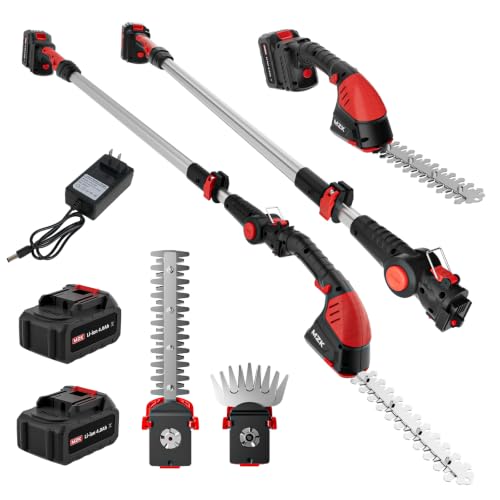
The SnapFresh Cordless Grass Shear Bush Trimmer is a compact 2-in-1 handheld tool designed for light trimming tasks around small yards, gardens, and flower beds. It combines a grass shear blade and a hedge trimmer blade in one unit, making it a practical choice for homeowners who need quick touch-ups without dragging out a full-sized trimmer.
Performance-wise, this trimmer is powered by a 7.2V motor that spins at 1100 RPM, paired with sharp 65Mn steel blades. According to product specifications, it can cut branches up to 0.31 inch (8mm) thick. That's suitable for light grass trimming, shaping small shrubs, and tidying up edges. For thicker growth, you may need a more powerful tool. The cutting action is clean on soft stems and grass, but it may struggle with woody stems near the limit.
Build quality focuses on lightweight convenience. The body is mostly plastic, which keeps the weight down to just 1.05 lbs. The TPR non-slip handle feels comfortable in hand, and the dual safety lock system is a nice touch—you need to press a safety button before pulling the trigger, reducing the chance of accidental starts. The battery is built-in and rechargeable via the included charger, with a level indicator to show remaining charge.
Setup is straightforward: charge the battery, attach the desired blade, and start trimming. Storage is easy thanks to its small size—it can fit in a garage drawer or garden shed without taking much space. Maintenance involves keeping the blades clean and occasionally lubricating them. The battery life is adequate for small yards; expect around 30-40 minutes of continuous use on a full charge, depending on load.
One realistic limitation is the cutting capacity. If you have overgrown hedges or thick branches, this trimmer won't handle them. It's best for regular light maintenance. Also, the plastic construction means it may not survive a drop onto hard pavement. Some users might prefer a model with a longer runtime for larger areas.
Overall, the SnapFresh Cordless Grass Shear Bush Trimmer is a good pick for apartment dwellers with small patios, homeowners with modest flower beds, or anyone needing a quick, easy trimmer for light yard care. It's affordable, safe, and convenient—just don't expect it to replace a full-size hedge trimmer or string trimmer for heavy work.
The SnapFresh trimmer uses a 7.2V motor and 65Mn steel blades to cut through grass and small branches. The grass shear blade is 3.25 inches wide, ideal for edging and trimming lawn edges. The hedge trimmer blade is 5.5 inches long, suitable for shaping small shrubs and bushes. Maximum cutting thickness is 0.31 inch (8mm). For light, regular trimming, this tool performs well. It may bog down on thicker or woody stems, so it's best for soft growth and maintenance cuts.


Effective storage begins with a thorough cleaning and inspection of the tool. Dirt, sap, and grass clippings trapped in the blade mechanism can cause corrosion and mechanical failure over time. Removing this debris is the first critical step before placing the trimmer in storage. You should also check for any existing damage to the blades or housing that might worsen during the off-season.
| Storage Component | Key Action | Reason |
|---|---|---|
| Blades | Clean and apply light oil | Prevents rust and keeps edges sharp |
| Battery | Charge to 50-80% | Maintains lithium-ion health |
| Cord | Loose coil, no tight bends | Prevents internal wire breakage |
| Body | Dry, ventilated area | Prevents mold and electrical issues |
Before storing, ensure the tool is completely dry. Moisture is the primary enemy of both metal components and electronic circuits. If you trimmed in wet conditions, allow the trimmer to air dry fully in a shaded area. This prevents water from seeping into the motor housing or battery compartment, which can lead to short circuits or corrosion.
- Remove any attached extension poles or accessories
- Wipe down the body with a dry cloth
- Check the safety lock mechanism for smooth operation
- Inspect the blade teeth for nicks or burrs
- Ensure the blade cover is securely in place
- Verify the battery is not fully discharged
- Place the tool in a stable, upright position
Preparing the Blades for Long-Term Storage
Blade care is the most critical aspect of hedge trimmer storage. Sap and plant oils are acidic and can eat into the steel if left unattended. Use a soft brush or old toothbrush to remove debris from between the teeth. This prevents the blades from sticking together, which can bend them if forced apart later.
After cleaning, apply a thin layer of machine oil or WD-40 to the blade edges. This creates a protective barrier against moisture and oxygen. Do not use heavy grease, as it can attract more dirt and make future cleaning difficult. The goal is a light, even coating that dries to a clear film without dripping.
Always engage the blade cover before storage. This protects your hands and other tools from the sharp edges. It also prevents the blades from accumulating dust and lint in the garage or shed. If the cover is missing, consider purchasing a replacement to ensure safety during handling and transport.
Managing Power Sources: Batteries and Cords
Cordless hedge trimmers use lithium-ion batteries that degrade if stored at full or zero charge. The ideal storage level is between 50% and 80%. This state keeps the chemical structure stable without putting stress on the cells. Check the battery indicator light to confirm the charge level before placing it in storage.
For corded models, the power cord is a common point of failure. Avoid wrapping the cord tightly around the body of the tool, as this can kink the internal wires. Instead, use a loose figure-eight pattern or a cord wrap. This preserves the flexibility of the insulation and prevents breakage at the plug or motor entry point.
Store the battery separately from the tool if possible. This allows you to check the charge level periodically without moving the entire unit. If the battery has a removable cover, ensure it is closed to protect the contacts from dust and moisture. A dry, cool environment is best for both the tool and the power source.
Choosing the Right Storage Location
The location of your stored trimmer significantly impacts its longevity. Avoid damp basements or unheated sheds where temperature fluctuations can cause condensation. Humidity is a major risk factor for rust and electrical component failure. A dry, interior closet or a dedicated tool cabinet in a garage is often the best option.
Ensure the storage area is secure from children and pets. Hedge trimmers are dangerous tools, and the sharp blades pose a serious injury risk. Locking the storage cabinet or using a tool lock provides an extra layer of safety. This is especially important if you store the tool in a shared space like a garage or workshop.
Consider the height of the storage spot. Storing the trimmer on a high shelf keeps it out of the way and reduces the chance of accidental knocks. However, ensure the shelf is sturdy enough to support the weight of the tool and any accessories. Avoid placing heavy items on top of the trimmer, as this can damage the housing or blade mechanism.
- Keep the tool away from direct sunlight
- Avoid areas with extreme temperature swings
- Use a dehumidifier in damp storage areas
- Place the tool on a stable, flat surface
- Keep the area free of flammable materials
- Ensure good ventilation to prevent mold growth
- Check the storage spot for pest activity
Maintenance Checks During the Off-Season
Even in storage, periodic checks help maintain the tool’s condition. Every one to two months, inspect the blades for signs of rust or corrosion. If you see any rust, clean it off immediately with a wire brush and reapply oil. This prevents the rust from spreading and damaging the blade integrity.
For cordless models, check the battery charge level every few months. If the battery drops below 20%, recharge it to the recommended storage level. Lithium-ion batteries can suffer from voltage drop over time, and a fully discharged battery may not recharge properly. Regular monitoring ensures the battery remains healthy for the next season.
Test the safety lock and trigger mechanism occasionally to ensure they function correctly. This prevents surprises when you are ready to use the tool again. If the mechanism feels stiff or sticky, clean it with a dry cloth and apply a small amount of lubricant if recommended by the manufacturer. Smooth operation is a sign of a well-maintained tool.
Safety Considerations for Stored Tools
Safety is paramount when storing power tools. Always ensure the blade is covered and the safety lock is engaged. This prevents accidental activation if the tool is bumped or moved. It also protects you and others from the sharp edges during handling. A covered blade is a non-negotiable safety standard for stored trimmers.
Keep the storage area organized and clutter-free. A disorganized space increases the risk of dropping the tool or knocking it off a shelf. Use tool organizers or hooks to keep the trimmer secure and accessible. This reduces the chance of damage and makes it easier to retrieve the tool when needed.
Follow the manufacturer’s specific storage guidelines. Some models have unique requirements for battery storage or blade protection. Refer to the user manual for any specific instructions or warnings. Adhering to these guidelines ensures you maintain the warranty and keep the tool in optimal condition. Proper storage is an investment in the tool’s longevity and your safety.
By following these storage practices, you protect your investment and ensure your hedge trimmer is ready for use when the season returns. Regular cleaning, proper battery management, and a secure storage location are the keys to long-term performance. Take the time to set up the right storage environment now to avoid costly repairs or replacements later. A well-stored tool lasts longer and performs better every time you use it.





Write Your Review
No reviews yet. Be the first to share your experience!