


Using an electric lawn edger effectively requires adjusting the blade depth to your soil type and maintaining a steady, straight path along hardscapes. Most homeowners find that setting the depth between 1 and 1.5 inches provides the best balance between cutting efficiency and avoiding damage to underlying irrigation lines or roots. The process is straightforward once you understand how the guide wheel and depth adjustment interact with the spinning blade.
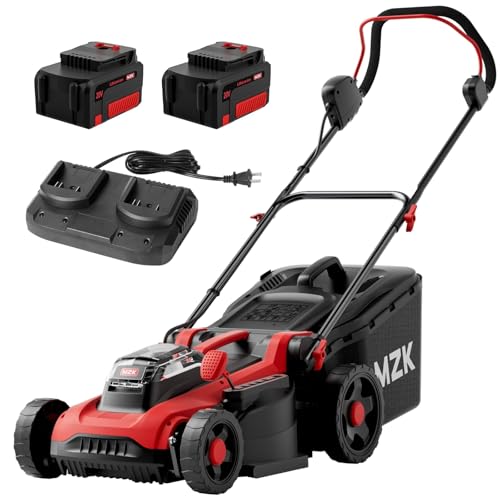
Whether you are using a corded model like the BLACK+DECKER Lawn Edger Trencher 2 in 1 or a cordless option such as the WORX Cordless Lawn Edger, the core mechanics remain similar. You will need to clear the area of debris, check the blade for sharpness, and ensure the power source is ready. If you are new to power equipment, our guide on electric cordless lawn mowers offers useful context on battery management and tool compatibility that applies to edgers as well.

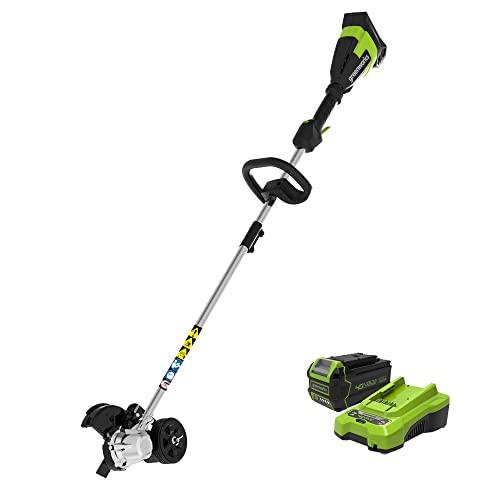
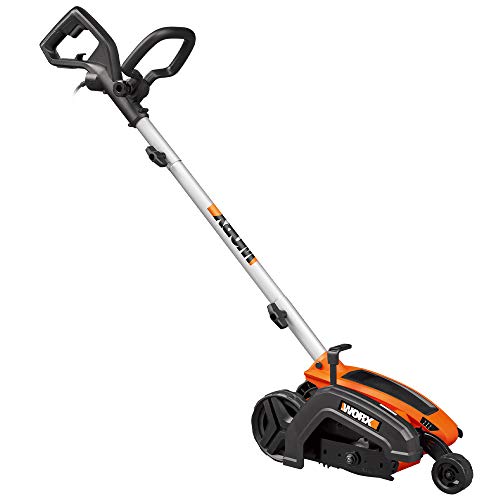


Mastering the technique for using an electric lawn edger involves more than just pushing the tool along the sidewalk. It requires understanding how to set the depth, manage the guide wheel, and maintain a consistent speed to achieve a clean, professional-looking edge. The following steps outline the standard procedure for preparing the tool, executing the cut, and performing post-use maintenance.
| Parameter | Recommended Setting | Purpose |
|---|---|---|
| Blade Depth | 1.0 to 1.5 inches | Cuts through grass and topsoil without hitting irrigation |
| Guide Wheel | Locked against hardscape | Ensures a straight, uniform cut line |
| Speed | Slow to moderate | Prevents blade bounce and uneven cuts |
| Blade Angle | Vertical (90 degrees) | Creates a sharp, vertical edge face |
Before you start, ensure the area is clear of rocks, toys, and other debris that could damage the blade or cause the tool to kick back. Check the blade for any signs of wear or dullness, as a sharp blade cuts through soil and grass with less effort and produces a cleaner edge. If you are using a corded model, verify that your extension cord is rated for the amperage of the edger and is long enough to reach the entire perimeter of your lawn without stretching.
- Clear the edging area of rocks, sticks, and other obstructions.
- Inspect the blade for sharpness and secure mounting.
- Check the guide wheel for wear and proper alignment.
- Ensure the power source is fully charged or connected.
- Put on safety glasses and sturdy work gloves.
- Test the tool in a safe, open area before starting.
Setting the Correct Blade Depth
The depth setting is the most critical factor in achieving a good edge. Most electric edgers offer adjustable depths, typically ranging from 1 to 2 inches. For standard residential lawns, a depth of 1 to 1.5 inches is usually sufficient to cut through the grass and a small layer of topsoil. Setting the blade too deep can risk hitting underground irrigation lines, sprinkler heads, or root systems, while setting it too shallow may leave a ragged edge that fills in quickly.
To adjust the depth, locate the depth adjustment knob or lever on the guide wheel assembly. Turn the knob to raise or lower the wheel relative to the blade. The guide wheel acts as a reference point; when it touches the ground, the blade cuts at the predetermined depth. If you are edging along a concrete driveway or sidewalk, ensure the wheel is locked in place so it does not shift during operation. This stability is key to maintaining a consistent cut line.
Technique for Straight and Clean Edges
When edging along a straight hardscape like a sidewalk, keep the guide wheel firmly against the edge of the concrete. Move the tool at a slow, steady pace, allowing the spinning blade to do the work. Do not force the tool forward, as this can cause the blade to bind or the motor to stall. If you encounter a slight slope or uneven ground, adjust your speed accordingly, slowing down on upslopes to maintain control and blade engagement.
For curved edges, such as around garden beds or flower borders, release the guide wheel lock if your model allows it, or carefully maneuver the tool by hand. Keep the blade vertical to create a sharp, clean face. If your edger has a trenching mode, you can use it to dig shallow channels for irrigation lines or cables, but be cautious and check for underground utilities before digging. The WORX Electric Lawn Edger and similar models often include a cutting line indicator to help you stay on track.
Managing Corded vs. Cordless Models
Corded electric edgers provide consistent power but require a power source and extension cord. This can limit your range and create a tripping hazard if the cord is not managed properly. Use a heavy-duty extension cord rated for the amperage of your edger, and keep it off the ground as much as possible to prevent damage. If you are edging a large area, consider using multiple power outlets or a generator if necessary, though for most suburban lawns, a single outlet with a long cord is sufficient.
Cordless edgers offer greater freedom of movement and are ideal for larger properties or areas far from power sources. However, you must monitor the battery life to ensure you finish the job before the battery runs out. Most cordless models, like the Greenworks 40V 8 in Cordless Electric Lawn Edger, provide enough runtime for a typical residential lawn, but it is wise to have a spare battery available if you are edging a large area. Check the battery indicator before starting, and plan your route to minimize backtracking.
Safety Precautions and Best Practices
Safety is paramount when using any power tool, including an electric lawn edger. Always wear safety glasses to protect your eyes from flying debris, and sturdy work gloves to protect your hands from the blade and vibration. Avoid wearing loose clothing or jewelry that could get caught in the moving parts. Keep children and pets away from the work area, and ensure that the blade is completely stopped before performing any maintenance or adjustments.
Be aware of your surroundings, and look for underground utilities before edging near irrigation lines or electrical cables. If you are unsure where utilities are located, contact your local utility company to have them marked. Never use the edger in wet conditions, as this can increase the risk of electric shock and make the ground slippery. If the tool begins to vibrate excessively or make unusual noises, stop using it immediately and inspect it for damage or loose parts.
Maintenance and Blade Care
Regular maintenance is essential to keep your electric lawn edger performing well. After each use, clean the blade and guide wheel of dirt and grass clippings. Use a soft brush or a damp cloth to remove debris, and dry the tool thoroughly to prevent rust. Check the blade for any signs of wear, and sharpen or replace it as needed. A dull blade will require more effort to cut and can strain the motor, reducing the life of your tool.
Inspect the guide wheel for wear and ensure it rotates freely. If the wheel is worn or stuck, it can affect the depth setting and the straightness of your cut. Lubricate moving parts as recommended by the manufacturer, and store the tool in a dry, secure location when not in use. If you are using a cordless model, store the battery in a cool, dry place and charge it periodically to maintain its health. Proper care will extend the life of your edger and ensure reliable performance season after season.
Troubleshooting Common Issues
If your edger is not cutting cleanly, the most common cause is a dull blade or incorrect depth setting. Check the blade for sharpness and adjust the depth to ensure it is cutting through the grass and topsoil. If the tool is vibrating excessively, inspect the blade for balance and ensure it is securely mounted. A loose or unbalanced blade can cause significant vibration and damage to the motor. If the problem persists, consult the user manual or contact the manufacturer for support.
If the cordless model is not holding a charge, check the battery for damage or wear, and for corded models, if the tool is not turning on, check the power source and extension cord for any faults.
- Batteries have a limited lifespan, and after several years of use, they may no longer hold a full charge.
- If the battery is old or damaged, consider replacing it with a new one to restore functionality.
- Ensure the outlet is working and the cord is securely connected to rule out simple power issues.
- If the problem continues, the motor or switch may need repair to resolve the issue.
Understanding how to use an electric lawn edger effectively allows you to achieve professional-looking results with minimal effort. By following these steps, you can ensure a clean, sharp edge around your lawn, hardscapes, and garden beds. For more information on maintaining your lawn equipment, consider reading our guide on mower battery care to keep your cordless tools running smoothly.





Write Your Review
No reviews yet. Be the first to share your experience!