


Riding lawn mowers make quick work of large lawns, but getting the most out of one requires more than just sitting down and driving. Knowing how to use a riding lawn mower properly can save time, reduce wear on the machine, and produce a healthier lawn. This guide covers the essential steps, from pre-operation checks to mowing techniques and routine care.
Whether you are new to riding mowers or looking to refine your technique, understanding the controls, safety features, and best practices will help you mow efficiently and avoid common mistakes. For related maintenance topics, check out our guide on leveling a Cub Cadet mower deck for a more even cut.

Pros
- Dual-function scraper and brush saves time and effort during mower maintenance
- Universal fit works with virtually all mower deck sizes and shapes
- Long handle provides comfortable reach without excessive bending
- Lightweight and easy to maneuver around the deck
Cons
- Brush bristles may wear down over time with heavy use on rough debris
- Scraper edge might not be as aggressive as dedicated metal scrapers for stubborn buildup
- Handle could be longer for very large zero-turn or tractor decks
Keeping your mower deck clean is one of the simplest ways to extend its life and maintain cutting performance. The Walensee Lawn Mower Deck Cleaner is a straightforward 2-in-1 tool that combines a scraper and a brush head, making it easy to remove grass clippings, mud, and debris after each mow. This accessory suits any mower owner—whether you have a small push mower for a suburban lawn or a large zero-turn for a rural property.
In real-world use, the scraper head effectively dislodges caked-on grass from the underside of the deck, while the brush side sweeps away loose particles. Many homeowners may prefer this over using a putty knife or a hose, as it reduces mess and effort. The tool works on any mower type, including riding mowers, lawn tractors, and brush cutters, as noted in the product description.
Build quality appears adequate for the price point. The handle is made of plastic or composite material, and the brush bristles are stiff enough for routine cleaning. The overall length of 16 inches, with a handle over 11 inches, helps you reach under the deck without straining your back. At just 1 pound, it's lightweight and easy to store in a garage or shed.
Setup is nonexistent—just grab it and start cleaning. Maintenance is minimal: rinse the brush head occasionally to remove debris. For storage, you can hang it on a hook or lay it on a shelf. Some users find that regular cleaning with this tool helps prevent rust and improves mower efficiency, especially when dealing with wet grass that tends to stick.
One realistic limitation is that the brush bristles may wear down after heavy use on very rough or dried-on debris. Also, the scraper edge is plastic, so it may not be as aggressive as a metal scraper for thick, compacted buildup. For most routine cleaning, however, it works well. The handle length is fine for standard decks, but owners of extra-wide zero-turn mowers might wish for a longer reach.
Overall, the Walensee Lawn Mower Deck Cleaner is a practical, budget-friendly addition to any lawn care routine. It's especially useful for first-time mower buyers or anyone who wants to keep their equipment in good shape without spending a lot. If you value easy maintenance and want to avoid the mess of hosing down your deck, this tool is worth considering.

Pros
- Waterproof IP67 rating – ideal for outdoor equipment exposed to weather
- Automatic data storage preserves hour count even when disconnected
- Simple installation with included wire and mounting hardware
- Affordable price for the functionality it provides
Cons
- Requires manual wrapping of pickup wire around spark plug – may need adjustment if connection is loose
- Red display may be less visible in direct sunlight for some users
- Battery is non-replaceable; unit may need replacement after battery dies
The Runleader Digital LCD Maintenance Hour Meter is a practical accessory for anyone who owns gas-powered lawn equipment like mowers, generators, pressure washers, or chainsaws. Instead of guessing when to change oil or replace spark plugs, this small device tracks actual engine runtime so you can stick to a precise maintenance schedule. It's especially useful for homeowners who want to keep their equipment running reliably season after season.
Installation is straightforward: mount the hour meter anywhere on the machine using the included screws, then wrap the signal pickup wire around the spark plug wire 5 to 8 times. The meter detects pulses from the spark plug and counts running hours. Once installed, it automatically starts and stops with the engine. The built-in CR2430 lithium battery stores the hour total even when the engine is off, so you never lose your data between uses.
Build quality is a strong point. The unit is fully potted in epoxy resin, giving it an IP67 waterproof rating. That means it can handle rain, hose spray, and even accidental submersion up to 1 meter deep. For outdoor gear that sits in the garage or shed, this level of protection ensures the hour meter will keep working through wet conditions and temperature changes.
In everyday use, the large red LCD display is easy to read, though direct sunlight may wash it out slightly. The hour meter counts up to 99,999 hours – far more than any typical lawn mower will see. It doesn't require any batteries beyond the internal lithium cell, and the data retention means you can swap the meter between machines if needed.
One limitation is that the signal pickup wire needs a good wrap around the spark plug wire. If the connection is loose, the meter may miss pulses and undercount hours. Also, the internal battery is not user-replaceable, so when it eventually dies (after many years), the whole unit may need replacement. However, given the low price, this is a minor trade-off.
For any homeowner or small engine owner who wants to extend equipment life through timely maintenance, the Runleader hour meter is a smart, affordable investment. It eliminates guesswork and helps you stay on top of oil changes, air filter swaps, and other service intervals. Whether you're maintaining a push mower, a riding tractor, or a generator, this little gadget delivers reliable tracking without breaking the bank.

Pros
- Extremely lightweight (around 25 lbs) for easy pushing and lifting over curbs or flower bed edges.
- Brushless motor is durable, efficient, and virtually silent compared to gas or even some corded electric mowers.
- Quick and simple assembly out of the box—most users can be mowing within 10 minutes.
- Portable battery can be used with other Litheli tools (sold separately) or as a USB power bank on the go.
- Excellent value at under $100 for a complete cordless mower with battery and charger.
Cons
- 14-inch cutting deck is narrow—best suited for small lawns or trimming, not large open areas beyond 3,000 sq ft.
- 30-minute runtime may not be enough for thicker or damp grass; heavier conditions may require a second battery (sold separately).
- 9-gallon grass bag can fill quickly, especially with lush spring growth, requiring frequent emptying during mowing.
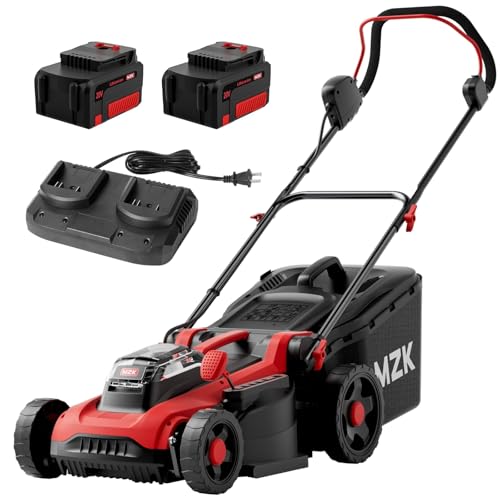
If you've been hunting for a cordless lawn mower that won't break your back or your budget, the Litheli 14-inch push mower is worth a close look. This electric mower is designed primarily for small to mid-sized yards—think urban lots, suburban postage-stamp lawns, or even apartment patios with a bit of grass. Its lightweight build (roughly 25 pounds) and compact folding handle make it especially appealing for renters, first-time homeowners, or seniors who want a no-fuss mowing experience without dealing with gas, cords, or heavy machinery.
Performance-wise, the brushless motor delivers consistent power for a 14-inch cutting deck. You get five height adjustments (1 to 2.5 inches) via a single lever, so you can handle spring growth, summer maintenance, or even a slightly taller fall cut. The included 9-gallon grass bag does a decent job catching clippings, though on thick lawns you might find yourself emptying it a couple of times during a mow. There's no mulching or side-discharge option noted, so this mower is best if you prefer bagging or letting clippings lie (the manual may clarify). Based on product specs, the battery provides up to 30 minutes of run time—enough for the claimed 3,000 square feet, but actual duration depends on grass density and moisture.
Build quality feels solid for the price point. The deck is likely plastic or lightweight alloy (specs don't specify), which helps keep the overall weight down but still durable enough for regular use on level ground. The handle is adjustable and folds quickly for storage—a real plus if you're short on garage or shed space. Wheels are small but roll smoothly on typical turf; you may need to lift the mower over thicker obstacles or uneven terrain. Assembly is straightforward: attach the handle, install the battery, and you're ready to mow.
One of the standout features is the dual-purpose battery. Not only does it power the mower, you can also use it as a USB power bank to charge a phone or small device. That's handy for tailgating, camping, or just keeping a phone alive while you work outside. The mower is also very quiet—much less noise than a gas engine—so early Saturday mowing won't annoy neighbors.
That said, this mower has clear limitations. The 14-inch deck is narrow; if your yard is much larger than 3,000 square feet or has thick Bermuda or St. Augustine grass, you'll be making many passes and likely run out of battery before finishing. The 30-minute runtime also means planning your mow around the battery—if you have a bigger lot, consider buying an extra battery. The grass bag capacity is adequate for a small lawn, but you'll need to empty it frequently in heavy growth.
Overall, the Litheli cordless mower is a smart, affordable choice for anyone with a modest lawn who values lightweight, quiet, low-maintenance equipment. It won't replace a gas-powered wide-deck mower for acreage, but for a city backyard or suburban front lawn, it offers excellent value. If your needs align with its capabilities, this mower can simplify your weekend chores without requiring a big investment or storage space.
The Litheli mower comes with a 5.0Ah 40V (likely) lithium-ion battery and a standard charger. The manufacturer states up to 30 minutes of runtime, which is typical for a 14-inch brushless mower of this size. For reference, that should handle about 3,000 square feet of typical lawn on a single charge—a figure that may vary with grass thickness, slope, and cutting height. The battery also features a USB port (likely 5V) so you can charge a smartphone or tablet in a pinch. If you need more runtime, an extra battery can be purchased separately. The battery is compatible with other Litheli power tools, expanding its usefulness beyond mowing.
One of the strongest selling points of this mower is its compact storage. The handle folds down quickly without tools, shrinking the mower to roughly 24 x 15 x 13 inches. That small footprint allows it to fit under a workbench, in a closet, or on a narrow garage shelf. The overall weight (about 25 pounds) makes it easy to carry up stairs or lift into a car trunk. For apartment dwellers with a small balcony or storage cage, this mower is one of the most space-efficient options available.

Pros
- Lightweight and easy to push, great for users of all ages
- Corded power means consistent performance without battery runtime worries
- Affordable price point for budget-conscious first-time mower buyers
- Compact storage with foldable handle – fits in small sheds or garages
Cons
- Limited by cord length – may require extension cord for larger yards
- 15-inch cutting width is smaller than most standard mowers, extending mowing time
- Not self-propelled; requires physical effort on slopes or thick grass
The LawnMaster MEB1114K is a corded electric push mower designed for homeowners with small to medium-sized lawns. It’s a practical choice for apartment dwellers with tiny yards, suburban residents with manageable plots, or anyone looking for an affordable entry into electric mowing. With a 15-inch cutting width and 11-amp motor, this mower handles typical grass growth without the hassle of gas or batteries.
In real-world use, the 3,300 RPM motor provides enough power to cut through thin to moderate grass. The 5 height-adjustment positions range from 1.4 to 3 inches, letting you dial in the perfect cut for different seasons. The 7-gallon collection bag works well for light clippings, but may fill quickly on overgrown lawns. For mulching, the mower can handle fine clippings if you mow frequently.
Build quality is decent for the price – the deck is made of durable plastic, keeping weight down to just 28 pounds. The 7.75-inch rear wheels roll smoothly over flat terrain, but larger bumps may cause some bouncing. The handle is comfortable and folds without tools for vertical storage, a real plus for tight garage spaces.
Setup is straightforward: attach the handle and bag, plug in, and mow. Maintenance is minimal – no oil, no fuel, just occasional blade sharpening. The cord management hook helps keep the power cord out of the way, but you’ll need a heavy-duty extension cord for yards larger than 100 feet.
Limitations include the narrow cutting width, which means more passes on anything bigger than a quarter-acre. The lack of self-propulsion can be tiring on slopes or thick grass. Also, the cord can be a tripping hazard and limits range. Some users may prefer a cordless model for more freedom.
Overall, the LawnMaster MEB1114K is a solid buy for budget-minded homeowners with small, flat lawns. It’s easy to use, store, and maintain. If your yard is under 3,000 square feet and you don’t mind a cord, this mower offers great value for the money.
The 11-amp motor delivers 3,300 RPM, which is sufficient for typical residential grass. The 15-inch steel blade cuts a clean swath, though it may struggle slightly with thick, wet grass. The 5 height settings let you adjust from a low 1.4-inch trim to a taller 3-inch cut, suitable for different grass types and seasons. For best results, mow when grass is dry and keep the blade sharp.
At just 28 pounds, this mower is one of the lightest electric models available. The handles fold down quickly without tools, allowing the mower to stand vertically in a small corner of the garage or shed. This space-saving design is ideal for apartment dwellers or homeowners with limited storage. The compact size also makes it easy to carry up stairs or load into a car for transport.
Pros
- Eco-friendly and silent – perfect for noise-sensitive areas or early morning mowing
- Lightweight and easy to push, even for elderly users or those with limited strength
- Simple height adjustment with no tools needed, suits different grass types
- No ongoing costs for gas, oil, or batteries – just your own effort
Cons
- 14-inch cutting width is narrow – takes more passes on even medium-sized lawns
- Not suitable for tall, thick, or wet grass; reel may jam if grass is too high
- No grass collection bag – clippings are left on the lawn (works as mulch but may require raking)
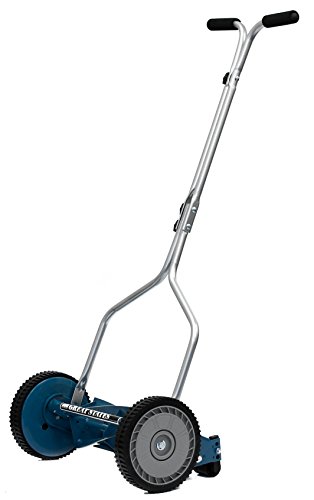
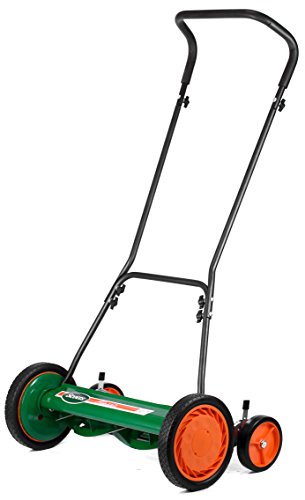
The Great States 204-14 Hand Reel Push Lawn Mower is a simple, manual reel mower designed for small, level lawns. It is an excellent choice for apartment dwellers, homeowners with tiny yards, or anyone who wants an eco-friendly, quiet, and low-maintenance alternative to gas or electric mowers.
In terms of cutting performance, the 4-blade reel works like a pair of scissors, slicing grass cleanly rather than tearing it. The 14-inch cutting width is narrow, so it’s best for lawns under 1,500 square feet. Height adjustment ranges from 0.5 to 1.75 inches, letting you choose a close cut for Bermuda or a taller cut for fescue. Many users appreciate the clean, manicured look it gives, though it struggles with grass taller than 4 inches or damp conditions.
Build quality is decent for the price. The blades are made from heat-treated alloy steel that resists dulling and can be sharpened with a simple file. The polymer wheels are lightweight but durable enough for typical suburban lawns. The frame is all metal, though it may show surface rust if left in the rain – a quick wipe and indoor storage keeps it fine.
Setup is nearly nonexistent: it comes mostly assembled, and height adjustment uses a simple lever. Storage is a standout – the mower is so light (listed at about 2.2 lbs, though actual weight is likely closer to 20-22 lbs) that you can hang it on a wall hook or stash it in a corner. Daily handling is effortless, as there’s no cord to manage or battery to charge.
Realistic limitations include the small cutting width, which makes it impractical for large lawns. It also lacks a grass catcher, so clippings are left as mulch. This is fine for light grass, but heavy growth may leave clumps requiring raking. Additionally, it requires consistent pushing speed for best results – if you slow down, the reel may stop cutting cleanly.
Overall, the Great States 204-14 is a solid buy for budget-conscious, eco-minded homeowners with very small yards. If you want a workout while mowing, a silent operation, and zero fuel costs, this reel mower delivers. For larger or more uneven terrain, look to a gas or self-propelled model.
This manual reel mower is one of the greenest options for lawn care. It produces zero emissions, uses no gasoline or oil, and generates minimal noise – typically around 70 dB, quieter than a conversation. You’ll save money on fuel and won’t contribute to air or noise pollution. Plus, the lightweight design means you’re using your own energy, which can be a gentle form of exercise.
The 4-blade reel provides a scissor cut that is gentle on grass, reducing browning and disease compared to gas mulchers. The adjustable height from 0.5 to 1.75 inches covers most common grass heights. However, the 14-inch swath limits efficiency – expect to make many passes for a 2,000 sq ft lawn. Best results come on dry, low-to-medium height grass. For taller growth, you may need to mow more frequently.
At just over 2 lbs (though actual weight is typical for a reel mower around 22 lbs), this mower is incredibly portable. The handles fold down for compact storage, and the entire unit can be hung vertically on a garage wall. It takes up minimal space in a shed or corner, making it ideal for apartments with outdoor patches or small suburban homes with limited storage.
Mastering Your Riding Lawn Mower
Using a riding lawn mower effectively starts with preparation, understanding the controls, and adopting safe mowing habits. This section walks through the entire process so you can mow with confidence and keep your machine running well.
Pre-Operation Checks and Safety
Before you start the engine, walk around the mower to inspect the cutting deck, tires, and belts. Look for any debris, loose parts, or signs of damage. Check the oil level and fuel level according to the owner’s manual. Make sure the blade engagement lever is disengaged and the parking brake is set.
Safety features like the operator presence system (OPS) require you to be seated for the engine to run and the blades to engage. Never bypass these systems. Wear sturdy shoes, long pants, and hearing and eye protection. Clear the mowing area of rocks, sticks, toys, and other objects that could become projectiles.
If you are working on a slope, review the mower’s maximum slope rating. Most riding mowers are rated for slopes up to 10-15 degrees. For steeper terrain, a zero-turn mower or a walk-behind may be safer. For more on adjusting your mower deck for an even cut, see our article on lowering a John Deere mower deck.
Understanding the Controls
Riding mowers typically have a steering wheel or twin levers (for zero-turn models), a throttle, a choke, an ignition switch, a blade engagement lever (PTO), a parking brake, and a drive pedal or lever. Familiarize yourself with each control before mowing. The throttle controls engine speed; for most mowing, set it to full throttle to maintain blade speed and a clean cut. The choke helps start a cold engine. The PTO lever engages and disengages the blades.
Some models have a cruise control feature for maintaining a steady speed on flat terrain. Practice operating the controls in an open area before tackling your lawn. Knowing where everything is and how it feels will help you react quickly if something unexpected happens.
Starting the Engine
Sit in the seat, set the parking brake, and disengage the blades. Move the throttle to the choke position if the engine is cold. Turn the ignition key to start the engine. Once it starts, gradually move the throttle to the run position. Let the engine warm up for a minute or two before engaging the blades or driving.
If the engine does not start, check the fuel level, battery connections, and safety switches. A common issue is the parking brake not being fully engaged or the PTO being left on. For electric-start models, a weak battery may need charging. For more troubleshooting, a replacement lawn mower key guide may help if the key is lost or damaged.
Mowing Techniques for a Clean Cut
Start by mowing around the perimeter of your lawn to create a turning area. Then mow in straight lines, overlapping each pass by a few inches to avoid missed strips. For a striped lawn effect, alternate the direction of each pass. Mow when the grass is dry to prevent clumping and uneven cutting. Wet grass can also clog the deck and leave ruts.
Adjust the cutting height based on the season and grass type. A good rule of thumb is to never cut more than one-third of the grass blade length at a time. For cool-season grasses, a height of 2.5 to 3.5 inches is common; for warm-season grasses, 1.5 to 2.5 inches works well. Raise the deck in hot, dry weather to reduce stress on the lawn.
When mowing slopes, mow across the slope (side to side) with a riding mower, not up and down, to reduce the risk of tipping. Slow down on turns and avoid sudden stops. On wet grass, slopes become slippery, so it is best to wait until the lawn dries.
Deck Maintenance and Cleaning
A clean mower deck cuts better and lasts longer. Grass clippings, dirt, and moisture can build up under the deck, causing rust and reducing cutting efficiency. After each use, let the engine cool, then remove the spark plug wire for safety. Use a lawn mower deck scraper brush like the Walensee Lawn Mower Tools (16 inches long) to scrape off debris. Its scraper head removes caked-on grass, while the brush head sweeps away loose material. The long handle keeps your hands away from the blades.
For a deeper clean, you can use a garden hose with a deck washout port if your mower has one. Avoid spraying water directly into the engine or electrical components. After cleaning, dry the deck and apply a light coat of silicone spray or paint to prevent rust. Regular cleaning also helps you spot worn belts or damaged blades early.
Tracking Maintenance with an Hour Meter
Keeping track of engine hours is essential for scheduling oil changes, blade sharpening, and other maintenance tasks. A digital hour meter like the Runleader Digital LCD Maintenance Hour Meter makes this easy. It installs by wrapping the signal pickup wire around the spark plug wire, and it automatically records running time even when the engine is off. The waterproof design (IP67) means it can handle outdoor conditions.
Mount the hour meter in a visible spot on the dashboard or frame. Use it to remind yourself when to change the oil (typically every 50 hours), sharpen or replace blades (every 25 hours or as needed), and service the air filter and spark plug. Consistent maintenance keeps your mower reliable and extends its life.
Choosing the Right Mower for Your Property
Not every riding mower suits every lawn. For properties under half an acre, a cordless push mower like the Litheli Cordless Lawn Mower (14-inch deck, 5.0Ah battery) may be more practical. It is lightweight, folds for compact storage, and requires no gas or oil. The brushless motor runs quietly and needs zero maintenance. It covers up to 3,000 square feet on a single charge, making it ideal for small to mid-sized yards.
For larger lawns, a riding mower with a wider deck (42 to 54 inches) saves time. If you have obstacles like trees and flower beds, a zero-turn mower offers better maneuverability. For flat, open lawns, a lawn tractor with a steering wheel is comfortable and easy to operate. Consider the terrain, grass type, and how much time you want to spend mowing when choosing between a push mower, a riding mower, or a zero-turn model.
For those who prefer an eco-friendly, low-maintenance option, a reel mower like the Great States 204-16 Hand Reel Mower (14-inch cutting width) is a quiet, manual alternative for small, flat lawns. It uses a scissor-action cut that is gentle on grass, and it requires no gas, oil, or electricity. The blades stay sharp for years and can be sharpened when needed. It is best for Bermuda or Zoysia grass under 4 inches tall.
Common Mistakes and How to Avoid Them
One of the most frequent mistakes is mowing with dull blades. Dull blades tear the grass instead of cutting it, leaving a brown, ragged appearance and making the lawn more susceptible to disease. Sharpen or replace blades at least once a season, or more often if you mow frequently or hit debris.
Another common error is mowing too low, or “scalping” the lawn. This stresses the grass and can kill it, especially during hot or dry periods. Always follow the one-third rule and adjust the deck height as needed. Also, avoid mowing in the same pattern every time; varying the direction prevents soil compaction and helps grass grow upright.
Neglecting to clean the deck after each use leads to rust and poor cutting performance. A few minutes with a scraper brush can save you from costly repairs later. Finally, do not skip routine maintenance like oil changes, air filter cleaning, and spark plug replacement. A well-maintained mower starts easier, runs smoother, and lasts longer.
When to Call a Professional
While many maintenance tasks are DIY-friendly, some issues require a professional mechanic. If the engine runs rough, smokes excessively, or leaks oil, a technician can diagnose and repair internal problems. Transmission issues, such as difficulty shifting or strange noises, also warrant professional attention. If you are not comfortable working on the engine or electrical system, it is safer to have a qualified service center handle the repair.
For blade sharpening, you can do it yourself with a file or grinder, but many owners prefer to have it done professionally to ensure a balanced, sharp edge. A balanced blade reduces vibration and prevents damage to the spindle bearings. If you notice excessive vibration during mowing, have the blades checked and balanced.
Final Practical Takeaway
Using a riding lawn mower effectively is about more than just driving around the yard. Start with a thorough pre-operation check, understand your controls, and adopt safe mowing practices. Keep the deck clean, track maintenance with an hour meter, and choose the right mower for your property. Regular care and attention will keep your mower running smoothly and your lawn looking its best season after season.






Write Your Review
No reviews yet. Be the first to share your experience!