


Properly storing your riding mower for the colder months is essential to keep it running reliably when spring arrives. How to winterize a Cub Cadet riding mower involves several key steps that protect the engine, battery, and deck from damage during months of inactivity. Whether you own an XT series or a zero-turn model, taking time to prepare the machine for storage can save you from costly repairs and frustrating startup problems later. This guide walks you through the essential winterization tasks so your Cub Cadet is ready to go when the grass starts growing again.
Winterization isn’t just about draining gas or putting the mower in a shed. It includes cleaning the deck, changing oil, caring for the battery, and checking for worn parts. By following a consistent routine each fall, you extend the life of your equipment and ensure safer operation. Fall is also a good time to level the deck and inspect belts and blades.
Products like the CUB CADET plow blade or mulch cover can also be installed or removed during this process, depending on how you plan to use the mower in winter. If you live in an area with snow, you might consider attaching a snow blade, but proper storage of the mower itself remains your priority. Replacing worn control labels, such as the throttle/choke panel, is another simple maintenance step you can handle now.

Pros
- Genuine OEM quality ensures reliable fit and durability
- Adjustable skid shoes allow safe use on gravel and uneven surfaces
- Spring-loaded return reduces risk of damage from hidden obstacles like curbs or rocks
- Wide 46-inch blade clears large driveways and paths efficiently
- Manual angle adjustment is simple and reliable without complex hydraulics
Cons
- Higher price point compared to aftermarket snow blade attachments
- Manual angle adjustment requires stopping the tractor to change direction
- Heavy weight (67.7 lbs) may affect front-end handling on lighter tractors
This Cub Cadet 46-inch heavy duty steel snow blade is a genuine OEM attachment designed specifically for select Enduro Series lawn tractors, including XT1 and XT2 models. It is best suited for homeowners who already own a compatible Cub Cadet tractor and want a reliable snow clearing solution for driveways, walkways, and other paved or gravel surfaces. Instead of investing in a separate snow blower, this blade turns your lawn tractor into a winter workhorse.
In real-world use, the 46-inch blade width allows efficient clearing of large areas, reducing the number of passes needed. The manual angle adjustment lets you direct snow to the left or right up to 25 degrees, which helps keep cleared paths tidy. Adjustable skid shoes are a standout feature—they let you set the blade height to avoid scraping gravel while still cutting through snow. The spring-loaded blade return is a smart safety feature; if you hit a curb or hidden rock, the blade gives way and springs back, minimizing damage to both the blade and the tractor's front end.
Build quality is what you expect from a genuine Cub Cadet part. The blade is made from heavy-duty steel, and the entire assembly feels solid. At 67.7 pounds, it has substantial heft, which contributes to effective snow cutting but also means it may slightly affect the front-end balance of lighter tractors. The black finish is durable and resistant to rust, though regular cleaning and storage indoors will extend its life.
Setup involves attaching the blade to the tractor's front hitch—a straightforward process for anyone comfortable with basic tools. Storage is simple: when not in use, the blade can be removed and stored vertically or hung on a garage wall. Maintenance is minimal: check the skid shoes for wear, keep the blade edge sharp, and lubricate pivot points occasionally. The manual angle adjustment is easy to operate but does require you to stop the tractor and get off to change the angle, which is less convenient than hydraulic or electric options.
Realistic limitations include the manual angle adjustment, which may be a drawback for those who need frequent direction changes. Also, while the blade works well on gravel with the skid shoes, it is not ideal for deep, heavy snow—a snow blower might be more effective in those conditions. The price is premium compared to aftermarket alternatives, but you are paying for guaranteed fit and OEM durability.
Overall, this snow blade is a practical investment for Cub Cadet tractor owners who want a dedicated snow clearing attachment. It excels on driveways and paths, especially if you have gravel surfaces. If you already own a compatible tractor and need a reliable way to handle moderate snowfall without buying a separate machine, this OEM blade is a solid choice. For those with very heavy snow or frequent angle changes, a hydraulic blade or dedicated snow blower might be worth considering.
Installation of the Cub Cadet 46-inch snow blade requires attaching it to the front hitch of compatible Enduro Series tractors. The process typically takes about 30-45 minutes with basic hand tools. The blade comes with all necessary hardware and instructions. It fits models such as XT1-LT42, XT1-LT46, XT1-GT50, XT2-LX42, XT2-LX46, and others listed in the product description. Always verify compatibility with your specific tractor model before purchasing. The attachment is designed to be secure yet easy to remove for off-season storage.
The 46-inch blade width makes quick work of standard driveways and walkways. The manual angle adjustment allows you to throw snow to the left or right, which is useful for creating clean piles along the edges. The adjustable skid shoes are particularly helpful on gravel surfaces—they prevent the blade from digging in while still allowing effective scraping on pavement. The spring-loaded blade return absorbs impacts from hidden obstacles, reducing the risk of bending the blade or damaging the tractor. For heavy or wet snow, the blade may struggle if the snow is too deep; it is best suited for moderate accumulations up to about 6-8 inches.

Pros
- Direct fit for several Cub Cadet models – no modifications required
- Heavy-duty build feels durable and should hold up season after season
- Affordable alternative to buying a dedicated mulching mower or new deck
- Simple install – users can likely attach it in under 15 minutes
- Helps produce finer clippings that decompose quickly, feeding the lawn naturally
Cons
- Only works on specific MTD Cub Cadet models – check compatibility before purchase
- May not be ideal for very thick, wet grass – clumping could occur if mowing too fast
- Some users might prefer a full mulching blade kit alongside the cover for optimal results
The deawater 631-04252 33-inch mulch cover is a straightforward replacement accessory for MTD Cub Cadet lawn mowers, designed for homeowners who already own a side-discharge mower and want to convert it for mulching. Rather than buying a new mulching-capable mower, this cover fits over the discharge opening to keep clippings under the deck, where they are cut finer and then returned to the lawn as natural fertilizer. It is especially useful for budget-conscious homeowners who want to improve their lawn care routine without a major investment.
In terms of performance, the cover works by blocking the side discharge chute, forcing clippings to circulate under the deck. According to the product description, this enhances cutting efficiency and mulching results. Many users report that with the cover installed, they get finer clippings that decompose quickly, feeding the lawn and reducing the need for synthetic fertilizers. The 33-inch width should match the deck size of the listed models, and the heavy-duty material is meant to withstand regular mowing conditions, including bumps and debris.
Installation is straightforward – the cover bolts directly onto the mower deck using existing holes, typically taking less than 15 minutes. No special tools are needed. The build quality appears solid, with a steel construction that resists rust and warping under normal use. However, the cover is a simple plate; it does not include a separate mulching blade or baffle kit. For best results, some users may want to pair it with a mulching blade, but the product alone should improve clippings management.
One limitation is that this cover is only compatible with specific MTD Cub Cadet models from 2022, so buyers must verify their mower’s model number before purchasing. It may not work on earlier or later versions. Additionally, in very thick, wet grass, the cover could cause the deck to clog if mowing too fast, so the user may need to adjust mowing speed or cut when grass is dry. Some users prefer a full mulching kit (with baffles) for better performance on dense lawns, but the cover provides a solid entry point.
Overall, this deawater mulch cover is a practical, affordable solution for homeowners who want to start mulching without buying new equipment. It is easy to install, durable enough for regular use, and helps create a healthier lawn by returning nutrients to the soil. If you own a compatible Cub Cadet mower and want a quick way to switch from bagging or side discharge to mulching, this cover is worth considering.
Pros
- Genuine Cub Cadet OEM part guarantees fit and quality
- Restores readability of throttle and choke controls for safer operation
- Easy DIY installation saves time and money compared to dealer service
- Inexpensive way to maintain or improve the look of your mower's dashboard
Cons
- Only compatible with specific Cub Cadet Ultima ZT1 models, not universal
- Does not include any mechanical parts - just the label overlay
- May require careful alignment during installation to avoid bubbles or wrinkles
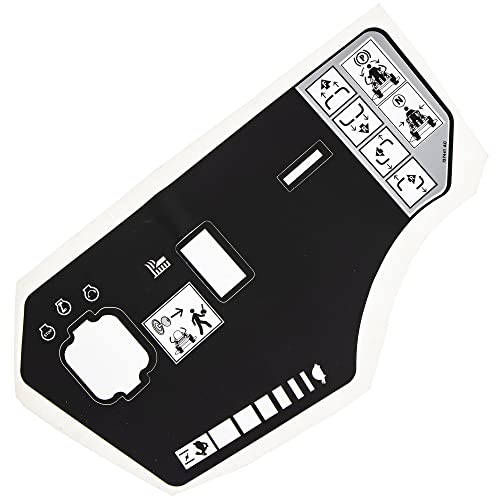
If you own a Cub Cadet Ultima ZT1 zero-turn mower and the throttle or choke markings on the control panel have become faded or worn, this OEM replacement label is a simple and cost-effective solution. The part number 777I27441 is specifically designed for models like the ZT1-42 KH, ZT1-46 KH, and ZT1-54 KH Fab, ensuring a direct fit without any modifications.
This label is not a performance upgrade but a practical maintenance item. It restores the readability of the throttle and choke controls, which is important for safe and efficient operation—especially when you need to adjust engine speed or choke the engine during cold starts. The label is made from durable material that resists fading from UV exposure and cracking from temperature changes, so it should hold up well under normal use.
Installation is straightforward: clean the existing surface, peel off the backing, and press the new label into place. No tools or mechanical skills are required, making it a quick DIY fix for any homeowner or landscaper. The label is very thin (0.01 inches) and lightweight, so it won't add any bulk or interfere with the controls.
Keep in mind that this is strictly a cosmetic and functional overlay—it does not include any mechanical components or wiring. If your throttle or choke lever itself is broken or sticking, this label alone won't fix that underlying issue. It's best used when the existing label is simply worn out or illegible but the controls themselves work fine.
For the price, this OEM part is a reasonable investment to keep your mower's dashboard looking clean and clear. It's especially useful for those who use their mower frequently and want to maintain proper labeling for safety and convenience. While it's a niche product, it serves its purpose well for the compatible Cub Cadet models.
Step-by-Step Winterization Guide for Your Cub Cadet Riding Mower
Why Winterization Matters for Your Cub Cadet
Winterizing your Cub Cadet riding mower prevents moisture, corrosion, and fuel degradation from causing problems during months of storage. Ethanol-blended gasoline can absorb water and gum up the carburetor. Old oil can become acidic and damage engine seals. A dead battery may not hold a charge by spring. Taking an afternoon to complete these steps saves you time and money later.
Your Cub Cadet is a significant investment, and proper off-season care preserves its value. Whether you have an XT1, XT2, or Ultima zero-turn model, the winterization basics remain similar. Always consult your owner’s manual for model-specific recommendations, but the general procedures below apply to most Cub Cadet riding mowers.
Clean the Mower Thoroughly
Start by removing any grass clippings, dirt, and debris from the deck, engine, and underside. Use a garden hose with a nozzle to spray off the deck, but avoid directing water into the muffler, air filter, or electrical components. A plastic scraper can help remove caked-on grass from the blade housing.
Cleaning prevents rust and makes it easier to spot oil leaks, cracks, or loose hardware. After rinsing, wipe down the mower with a dry cloth and let it air dry completely before storing. This step is especially important if you store the mower in a damp shed or garage.
Stabilize or Drain the Fuel System
Fuel left untreated over winter can break down, clog the carburetor, and cause starting issues. The simplest approach is to add a fuel stabilizer to the tank, run the engine for a few minutes to circulate it, then fill the tank to minimize condensation. Alternatively, you can drain the fuel system completely using the drain screw or a siphon.
If you choose to drain, run the mower until the carburetor runs out of fuel. This step prevents stale gas from sitting in the float bowl. For engines with a shut-off valve, close it and run the engine until it stops. Dispose of old gasoline properly at a recycling center.
Change the Engine Oil
Used oil contains contaminants that can harm the engine over winter. Changing the oil before storage ensures fresh lubricant protects internal parts. Run the engine for a few minutes to warm the oil, then drain it while warm for faster flow.
Replace the oil filter if your model has one. Use the oil viscosity recommended in your owner’s manual — typically SAE 30 or 10W-30 for Cub Cadet air-cooled engines. Dispose of the old oil at an auto parts store or collection center. This simple step dramatically reduces engine wear and extends life.
Care for the Battery
Cold temperatures drain battery charge and can cause permanent damage. Clean the terminals with a wire brush and apply a light coat of dielectric grease to prevent corrosion. If you plan to store the mower in an unheated building, remove the battery and store it in a cool, dry place above freezing.
Use a smart charger or maintainer to keep the battery at full charge during storage. Avoid leaving the battery on concrete floors — place it on a wooden block or shelf. A fully charged battery resists freezing better than a discharged one.
Inspect and Sharpen the Blades
Winter is the perfect time to remove the mower blades for sharpening or replacement. Dull blades tear grass instead of cutting it, leading to an uneven lawn next season. Use a socket wrench to remove the blade bolts, noting the orientation for reinstallation.
Balance the blades after sharpening to reduce vibration. If the blades are nicked or worn thin, consider replacing them. While the deck is bare, check the spindle bearings and pulleys for wear. This is also a good moment to verify the deck is level — our Cub Cadet mower deck leveling guide provides step-by-step instructions.
Check Belts, Cables, and Pulleys
Inspect the drive belt and deck belt for cracks, fraying, or glazing. Replace any belt that shows signs of wear. Check the tension and adjust if necessary. Look at the cables for the throttle, choke, and blade engagement — if they feel stiff or have rust, lubricate them with a cable lubricant or replace them.
Pulleys should spin freely without wobbling. A worn pulley can damage a new belt quickly. Tighten any loose hardware you find. Addressing these items now prevents breakdowns during the busy spring mowing season.
Lubricate Moving Parts
Apply grease to all grease fittings on the deck, spindles, and front axle. Use a grease gun with lithium-based grease for Cub Cadet mowers. Lubricate the steering linkage, brake pedal pivots, and throttle cable with a spray lubricant designed for outdoor equipment.
Proper lubrication reduces friction and prevents rust from forming on exposed metal surfaces. This step takes only a few minutes but makes the mower feel smoother when you use it again. Wipe off any excess grease to avoid attracting dirt.
Inspect Tires and Hardware
Check the tire pressure and inflate to the recommended PSI. Low tires can develop flat spots during storage. Look for cracks or dry rot, especially if the mower sits on concrete. Rotate the tires occasionally if the mower will be parked for many months.
Tighten any loose bolts or nuts on the frame, seat, and deck. A loose bolt can lead to more serious problems. This is also a good time to clean and grease the seat adjustment mechanism.
Consider Attachments and Replacements
Winterization is an ideal time to evaluate attachments and replacement parts. If you use a snow blade, ensure it is properly installed and the mounting hardware is secure. The CUB CADET 46-inch snow blade, for example, requires skid shoes and a spring-loaded return system. If you won’t use the blade during winter, remove it and store it clean.
Mulching attachments like the deawater 33-inch mulch cover can be cleaned and stored if you won’t mulch leaves again this season. Replace any worn control labels, such as the CUB CADET throttle/choke control panel label, to keep your operator controls legible. These small replacements improve safety and usability when you resume mowing.
Choose the Right Storage Location
Store your Cub Cadet in a clean, dry place away from moisture and rodents. A shed or garage is ideal. If you only have a carport, invest in a breathable mower cover that protects from dust and humidity. Avoid plastic tarps that trap condensation.
Elevate the mower on jack stands or blocks to take weight off the tires if storing for more than three months. Remove the battery and store it separately. Cover the muffler and air intake with a plastic bag secured with a zip tie to keep out critters.
Final Checklist Before Spring
When spring arrives, perform a quick inspection before starting the engine. Check the oil level, fuel condition, tire pressure, and battery charge. Remove any covers or bags from the muffler and air intake. Reinstall the battery and reconnect all wires.
Start the engine and let it idle for a few minutes before engaging the blades. Listen for unusual noises and look for oil leaks. A well-winterized Cub Cadet should start readily and run smoothly. If you encounter issues, refer to your owner’s manual or a qualified service technician.
Taking the time to properly winterize your Cub Cadet riding mower each fall ensures reliable performance season after season. The small investment of an afternoon pays off with fewer repairs, longer equipment life, and a beautifully maintained lawn when mowing season returns.





Write Your Review
No reviews yet. Be the first to share your experience!