


Managing seasonal turf cleanup often leaves property owners balancing physical sweeping against mechanical airflow after finishing a long mowing session. When grass clippings clump across manicured sod or heavy autumn foliage blankets drainage swales, airflow volume dictates how quickly you can clear the lawn. Homeowners frequently ask is 650 cfm good for a leaf blower when evaluating handheld cordless blowers alongside dedicated leaf collection systems. An airflow rating at this level places a handheld machine near the top of residential performance, delivering the mass air movement required for stubborn yard debris.
Cubic feet per minute measures the total volume of air emitted from the blower tube, serving as the prime indicator of debris-pushing capacity. While air speed measured in miles per hour breaks stubborn objects loose from the dirt, high volume keeps large piles moving forward without stalling. Battery-powered units in this performance tier now rival mid-grade gas units while offering push-button starting and reduced maintenance. Understanding how this specific volume rating interacts with nozzle design and battery endurance helps property owners choose the right tool for regular lawn maintenance.

Evaluating Airflow Volume: Performance Dynamics of 650 CFM Blowers
A rating of 650 cubic feet per minute represents a substantial volume of air that easily satisfies the requirements of most suburban and light commercial properties. This output level provides sufficient mass flow to push deep piles of wet oak leaves, scour caked grass clippings from mower decks, and clear driveway gravel without forcing the operator into a heavy backpack configuration. While entry-level sweepers typically deliver between 200 and 400 CFM, reaching the 600 to 650 CFM threshold marks the transition into true heavy-duty debris clearing. Examining how volumetric air displacement functions alongside velocity and runtimes clarifies whether this output tier fits your seasonal maintenance workflow.
Understanding CFM Versus MPH in Turf and Debris Management
Airflow volume and airspeed govern completely different aspects of outdoor debris removal. Cubic feet per minute (CFM) measures the actual quantity of air displaced through the blower nozzle every sixty seconds, dictating the physical size of the pile you can push across open turf. Miles per hour (MPH) defines the velocity of that moving air column, which determines the stripping force needed to dislodge wet leaves or clay-packed soil from concrete. A blower with high MPH but low CFM acts like a narrow pressure washer stream, cutting small paths but struggling to push wide swaths of lawn waste.
Balanced blower engineering pairs ample volumetric displacement with sufficient speed to ensure debris stays airborne rather than dropping immediately back onto the grass. Handheld platforms operating near 600 to 650 CFM and generating around 150 to 170 MPH achieve high total blowing force measured in Newtons. This combination allows property owners to scour damp grass clippings from beneath mower decks and propel dense hedge trimmings across tall fescue lawns. Choosing a machine with robust CFM ensures that your clearing passes remain wide and productive throughout the entire autumn season.
Real-World Capability Across Demanding Yard Conditions
A 650 CFM output class blower handles tough yard challenges that stall weaker electric sweepers. Wet autumn leaves often mat together into dense, moisture-laden blankets that resist basic raking and shallow air streams. Blowers delivering over 600 CFM create a lifting cushion of air that penetrates underneath these wet layers, breaking surface tension and lifting debris off saturated turfgrass. In wooded yards with heavy pine straw drops, the wide air pattern herds needles into manageable rows without scattering them uncontrollably into adjacent mulch beds.
Spring and summer lawn maintenance tasks also benefit from this level of volumetric performance. Heavy, wet grass discharge left behind by zero-turn mowers or lawn tractors can quickly suffocate underlying turf if allowed to dry in thick clumps. Running an air stream exceeding 600 CFM allows operators to scatter these windrows across the lawn rapidly, promoting rapid decomposition without scalping or manual raking. Acorns, small twigs, and gravel debris that gather along curbs and fence lines move easily under this air volume, cutting sweeping times considerably.
Battery Platform Dynamics and Usable Energy Reserves
Sustaining high airflow in a cordless handheld platform requires robust battery architecture and disciplined throttle management. Moving more than 600 CFM places significant current draw on lithium-ion cells, which is why commercial-grade systems utilize higher voltage architectures like 56V platforms. Total onboard energy capacity, calculated by multiplying nominal voltage by amp-hour capacity (Watt-hours = V x Ah), dictates continuous operation under load. For instance, pairing a 56V platform with a 2.5Ah pack supplies 140 Watt-hours of available energy, balancing total operating weight with respectable runtime across suburban parcels.
Variable-speed control plays an essential role in preserving battery reserves during routine yard cleanup. High-output units often provide a variable-speed dial ranging from 200 to 480 CFM for routine dry grass sweeping on hardscapes, accompanied by a dedicated turbo mode reaching 615 CFM or higher for stubborn debris. Operating at moderate speeds extends runtime up to 75 minutes on a 2.5Ah pack, while reserving maximum output for short bursts when clearing heavy piles or clearing wet ditch lines. Modern smart chargers restore a standard 2.5Ah pack in roughly 50 minutes, allowing operators with dual batteries to rotate packs continuously without lengthy delays. Property owners investing in cordless battery lawn mower platforms often appreciate sharing these interchangeable battery packs across their full seasonal tool arsenal.
Axial Turbine Fan Engineering and Brushless Motors
Modern high-output cordless blowers achieve 600 to 650 CFM ratings by moving away from traditional centrifugal impeller housings in favor of axial turbine fan designs. Centrifugal units draw air into the center of a housing and throw it outward at a ninety-degree angle, creating internal air turbulence and mechanical resistance. Axial turbine systems draw air directly through an in-line barrel inspired by aeronautics engineering, allowing straight-through air passage that maximizes velocity and volume while reducing chassis bulk. This streamlined airflow design reduces friction losses and translates motor wattage directly into usable thrust.
Powering these axial fans with high-efficiency brushless motors further refines overall tool performance. Brushless motors eliminate physical carbon contact brushes, substantially reducing operating friction, internal heat buildup, and electrical wear over hundreds of operational hours. Reduced internal friction translates to minimal motor vibration, keeping operator hand and wrist fatigue low during extended leaf blowing sessions. These electronically commutated motors also maintain stable torque curves as battery voltage drops, preventing the noticeable output slumps common in older brushed motor designs.
Nozzle Geometries and Airflow Restriction Tradeoffs
The physical profile of the blower nozzle heavily influences how the tool delivers its rated volumetric airflow. A broad, round nozzle outlet allows the motor to produce maximum CFM with minimal backpressure, creating a wide swept path that moves large leaf piles efficiently across level turf. Conversely, attaching a tapered nozzle restricts the air exit diameter, converting some volumetric flow into increased air speed reaching up to 170 MPH. This narrower, concentrated air stream excels at scouring caked mud from driveways, dislodging wet leaves lodged in ground cover, and clearing heavy debris from narrow pavement seams.
Matching nozzle attachments to specific yard conditions prevents wasted battery capacity and premature operator fatigue. When moving dry fall foliage across broad lawns, an unrestricted round tube preserves volume, pushing wider swathes with fewer physical passes across the yard. For targeted tasks, such as cleaning out decorative stone beds or dislodging compacted grass clippings from mower decks, fitting a tapered nozzle concentrates air velocity directly where required. Having multiple nozzle configurations ensures you can adapt the machine to seasonal demands without exceeding the rated capabilities of the blower motor.
Cleaning Mower Decks and Post-Cut Equipment Care
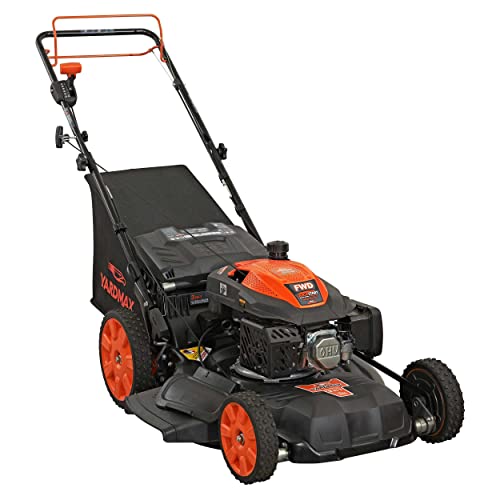
Maintaining lawn mowers after every cutting session is one of the most practical applications for a 650 CFM blower. Wet grass clippings frequently accumulate on top of stamped and fabricated mower cutting decks, trapping ambient moisture against spindle bearings, idler pulleys, and drive belts. Blowing off these surfaces immediately after mowing prevents premature corrosion and stops decaying vegetation from rotting delicate rubber belts. An airflow rating above 600 CFM provides ample thrust to blast compacted clippings out of spindle covers and frame recesses without requiring water wash-down hoses that can wash grease from sealed bearings.
Clearing the underside of the cutting deck also prevents dried mulch from accumulating into hardened crusts that disrupt deck aerodynamics. Before inspecting or cleaning around the discharge chute, always shut down the engine or motor, engage the parking brake, and disconnect the spark plug wire or remove the battery key. Directing a focused air stream across the deck baffles dislodges fresh clippings before they cure into dense deposits that reduce blade tip lift. Integrating this quick airflow blowout into your regular mower maintenance schedule extends machine service life and preserves clean turf discharge.
Handheld Ergonomics, Balance, and Operator Fatigue
Delivering 650 CFM from a handheld chassis requires careful balance between battery mass, motor alignment, and handle placement. High-output handheld blowers generate noticeable downward thrust at full throttle, which can strain the operator’s forearm and wrist over prolonged clearing sessions. Premium designs position the battery pack at the rear base of the handle to counterbalance the weight of the axial fan assembly and motor housing. This balanced weight distribution allows the blower tube to point naturally downward toward the turf without demanding continuous wrist flexion from the operator.
Ergonomic features like trigger lock-on switches and rubberized overmolds make extended autumn cleanups significantly more comfortable. Engaging a cruise-control lever or lock-on button relieves finger tension when clearing long driveway runs or blowing leaves across wide open lawns. Vibration isolation dampeners located between the motor housing and handle assembly also reduce hand numbness associated with high-RPM turbine fans. Homeowners managing diverse property maintenance routines with battery operated outdoor power equipment appreciate tools that maintain commercial-grade power while remaining light enough for single-handed operation.
Determining Property Size and Airflow Requirements
Evaluating whether a 650 CFM blower fits your property depends primarily on lot acreage, tree canopy density, and cleanup frequency. Suburban properties ranging from a quarter-acre up to an acre find this performance class ideal for handling weekly grass trimming cleanup, sidewalk edging blowouts, and seasonal foliage removal. Handheld tools in this category provide sufficient clearing power without the storage bulk, fuel mixing headaches, or exhaust emissions of commercial gas backpack blowers. The rapid deployment of cordless battery systems makes quick 10-minute cleanups painless compared to pull-starting gas equipment.
Properties exceeding one or two acres with mature hardwood canopies may eventually demand higher continuous air volumes found in dedicated backpack platforms. Large acreage cleanups often involve moving deep piles over hundreds of linear feet, which can drain multiple handheld battery packs or strain an operator’s arm over hours of continuous work. In these expansive settings, pairing a high-output handheld unit for tight perimeter work around landscape beds with a commercial collection system or tow-behind sweeper offers the most practical solution. For the vast majority of residential homeowners, a true 600 to 650 CFM blower represents the sweet spot between manageable handling weight and uncompromising debris-clearing muscle.


Write Your Review
No reviews yet. Be the first to share your experience!