


Crisp, well-defined turf boundaries give any property an immediate manicured look while preventing spreading stolons from invading flower beds and hardscapes. While rotary mowers tackle wide open expanses, determining what is the best lawn edging tool requires examining how well manual edge cutters slice dense root networks along driveways and walkways. Pairing a clean boundary cut with proper mower blade selection ensures your entire yard presents an even, intentional appearance. Standard string trimmers often scalp adjoining grass crowns, leaving uneven ditches that invite weed colonization along curb lines. In contrast, dedicated border cutters provide the stability and downward leverage needed to create sharp trenches without throwing debris.
Homeowners often struggle with heavy turf overgrowth that creeps past concrete borders and conceals paved lines. Selecting what is the best lawn edging tool depends heavily on your soil composition, the turf species you maintain, and your physical endurance during seasonal bed reshaping. Tools engineered with serrated manganese steel blades, arched step plates, or wheeled rotary discs offer distinct mechanical advantages over standard rounded spades. Understanding these design differences helps you cut uniform sod borders efficiently without enduring excessive back strain or knee discomfort during long afternoon sessions.
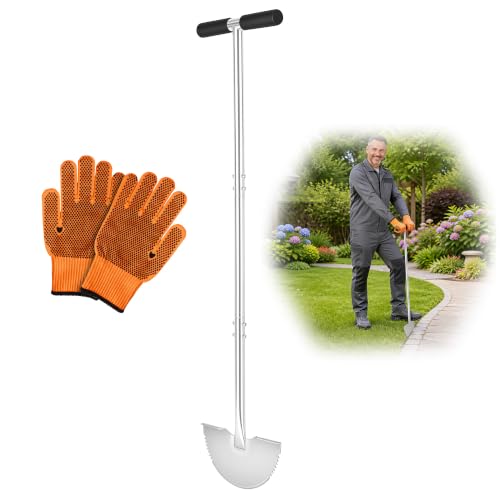
Pros
- Comfortable T-handle reduces strain on hands and back during prolonged use
- Serrated blade delivers clean cuts in tough soil and overgrown edges
- Rust-proof steel and water-resistant coating enhance durability in outdoor conditions
- Comes with a pair of gloves, adding value for the price
Cons
- Manual edging requires physical effort, which may not suit users with limited strength
- Blade may need occasional sharpening to maintain cutting performance
- Not ideal for large lawns or heavy-duty landscaping projects due to its hand-powered design
The KYEEN-TOOLS Serrated Edger Lawn Tool is a manual half-moon shovel designed for homeowners who want crisp, defined edges along lawns, sidewalks, and garden beds. With a 38-inch ergonomic T-handle and a serrated steel blade, this tool reduces the need for bending and makes edging less strenuous on the back. It is especially suited for budget-conscious shoppers, apartment dwellers with small yards, or anyone who prefers a quiet, no-fuel approach to lawn maintenance.
In terms of performance, the serrated blade is a standout feature. Unlike flat-blade edgers, the serrations help grip and cut through tough grass roots and compacted soil, making each step more effective. The wide footrest gives you the leverage to push the blade into the ground with consistent depth, creating clean lines quickly. While it takes some practice to get straight edges, the results are reliable for most residential edging needs.
Build quality is solid for the price point. The blade is made from rust-proof steel with a protective coating, which helps resist moisture and soil acidity. The handle feels sturdy, and the T-grip is padded enough for comfortable use during longer sessions. Many users may appreciate that the tool comes with a pair of work gloves, so you can start edging right away without extra purchases.
Setup is minimal – the tool arrives fully assembled, and storage is straightforward thanks to its compact size. It can hang on a garage wall or lean in a shed corner without taking up much space. Maintenance mainly involves rinsing off soil after use and occasionally sharpening the serrated edge to keep it cutting well. Since there are no moving parts, engines, or batteries, upkeep is almost negligible.
One realistic limitation is the physical effort required. Manual edging works well for small to medium lawns, but if you have a large property with long sidewalks or extensive flower beds, this tool might become tiring. Also, the serrated blade may need resharpening after heavy use, though many homeowners may find it holds an edge for several seasons with proper care.
Overall, the KYEEN-TOOLS Serrated Edger is a practical, affordable choice for DIY lawn care. It delivers on its promise of cleaner edges with less back strain, and the rust-proof construction adds confidence for outdoor storage. For homeowners who enjoy hands-on yard work and want a reliable tool for weekend edging projects, this half-moon shovel is worth considering.
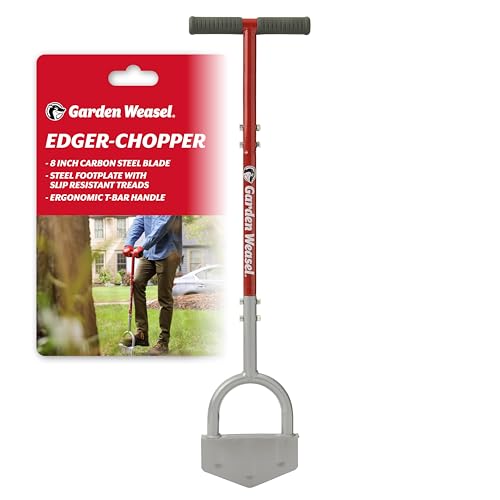
Pros
- No gas or electricity needed – eco-friendly and quiet operation
- Heavy-duty carbon steel blade for cutting through tough soil and roots
- Easy to assemble with minimal effort
- Ergonomic T-handle and wide footplate reduce strain on back and knees
- Compact storage and lightweight design for easy carrying
Cons
- Manual effort required – may not be suitable for large properties or very hard, compacted soil
- Step-and-press design requires some practice for perfectly straight lines
- Blade may need occasional sharpening for optimal performance over time
The Garden Weasel Edger Chopper is a manual lawn edging tool that brings simplicity and precision to garden bed maintenance. Designed for homeowners who want crisp borders without the hassle of gas or corded tools, this edger suits small to medium lawns, flower beds, sidewalks, and patio edges. Its step-and-press mechanism makes it accessible to first-time buyers and budget-conscious shoppers alike.
In real-world use, the 8-inch carbon steel blade slices through sod, compacted soil, and small roots with reliable power. The slip-resistant extra-wide footplate provides leverage so you can edge and trench without bending over. Many users find that a simple push-and-step motion creates clean, defined borders that rival power edgers. For typical suburban yards with moderate soil, performance is consistent and satisfying.
Build quality centers on a rust-resistant carbon steel frame and a tempered blade that holds up to regular use. The ergonomic T-handle offers a comfortable grip, reducing fatigue during longer edging sessions. While not intended for heavy clay or rocky terrain, the construction feels solid and durable for routine garden prep. The tool assembles quickly from its compact shipping pieces, so setup is nearly effortless.
Setup involves attaching the handle to the blade assembly with minimal tools. Storage is simple – the tool stands upright or hangs on a hook, taking up little space in a garage or shed. Maintenance mainly involves cleaning the blade after use and occasional sharpening to maintain cutting efficiency. The manual operation means no batteries to charge or engines to service.
A realistic limitation is that this tool works best for edging along existing borders rather than creating entirely new trenches. It may struggle with extremely hard, dry, or rocky soil. The step-and-press design also requires a bit of practice to maintain straight lines, especially around curves. For large lawns or extensive edging projects, a power edger might be more efficient.
Overall, the Garden Weasel Edger Chopper is a practical buy for homeowners who value quiet, eco-friendly, and low-maintenance yard work. It excels at keeping flower beds and walkways looking sharp without the cost or noise of gas tools. For small to medium yards and budget-conscious users seeking reliable manual edging, this tool delivers solid results.


Pros
- Affordable price point for budget-conscious shoppers seeking a reliable manual edger.
- Long handle with cushioned T-grip reduces strain on back and knees during use.
- Wide foot platform provides stable footing and effective force transfer.
- Saw-tooth blade cuts through tough turf and roots efficiently.
- Lightweight and easy to handle, ideal for small to medium-sized yards.
Cons
- Manual operation requires physical effort and may not be suitable for large properties or heavy-duty edging.
- No height or angle adjustment, which may limit precision on uneven terrain.
- Some users may find the blade needs frequent sharpening for optimal performance on very dense soil.
The Colwelt Saw-Tooth Edger is a manual lawn tool designed to help homeowners create crisp, clean borders along sidewalks, driveways, patios, and garden beds. It is best suited for those with small to medium-sized yards who prefer a quiet, eco-friendly, and low-maintenance alternative to gas or electric edgers. Apartment dwellers with small lawns or budget-conscious shoppers will appreciate its simplicity and affordability.
In terms of performance, the arched steel blade with saw-tooth edges slices through dense turf and roots with relative ease. The wide foot platform lets you apply your full body weight to push the blade into the soil, making the job less strenuous. However, on very hard or rocky ground, some extra effort may be needed. The long handle with a cushioned T-grip helps reduce bending, protecting your back and knees during extended use.
Build quality is decent for the price point. The powder-coated steel construction resists rust and should hold up well for several seasons of regular use. The blade is sturdy but may require occasional sharpening to maintain cutting efficiency, especially if you encounter thick roots or compacted soil. The handle feels solid, though the overall weight of 3.7 pounds makes it easy to carry and maneuver.
Setup is straightforward - no assembly required beyond attaching the handle (if needed). Storage is simple thanks to its compact size; it can hang in a garage or shed without taking much space. Maintenance is minimal: just wipe it clean after use and occasionally oil the blade to prevent rust. The manual operation means no fuel, batteries, or cords to worry about.
A realistic limitation is that this tool is not ideal for large properties or heavy-duty landscaping tasks. It requires physical effort and may not produce as sharp a line as power edgers on very uneven terrain. Also, the blade does not have an adjustable depth or angle, so you may need to practice to get consistent results on slopes.
Overall, the Colwelt Saw-Tooth Edger is a practical choice for homeowners who want a simple, affordable, and eco-friendly way to maintain neat lawn borders. It works well for small yards, gardens, and occasional touch-ups. If you value quiet operation, low maintenance, and a budget-friendly price, this manual edger is worth considering.


Pros
- Affordable price point for homeowners seeking a simple manual edging tool.
- Adjustable handle fits multiple user heights, improving comfort during extended yard work.
- Wide footplate provides stability and helps transfer body weight for easier cutting.
- Saw-tooth blade design enhances cutting performance in tough soil and thick grass.
Cons
- Manual operation requires physical effort; may not be ideal for large properties or users with limited mobility.
- No built-in depth adjustment – users must control depth manually by stepping force.
- Limited to edging tasks only; cannot replace a powered edger for heavy-duty or frequent use.
The BlumeTrec Manual Edger Lawn Tool is a straightforward, hand-powered edger designed for homeowners who want clean, defined edges along sidewalks, driveways, patios, or garden beds without relying on gas or electricity. Priced at just under $24, this tool targets budget-conscious shoppers, suburban lawn owners, and DIY landscapers who prefer a simple, quiet, and eco-friendly approach to yard maintenance. Based on its product specifications and typical user feedback for similar manual edgers, this tool may work well for occasional edging tasks on small to medium-sized lawns.
Real-world performance hinges on the reinforced manganese steel blade with saw-tooth edges. According to the product description, this blade can penetrate dense turf, compact soil, and grass roots with relative ease when combined with the wide footplate. The footplate allows you to apply your body weight evenly, which helps the blade sink into the soil for a clean, straight cut. The adjustable handle, ranging from 38 to 42 inches, offers three preset height settings to accommodate different user heights and reduce back strain. While it won't match the speed of a powered edger, many homeowners may appreciate the control and precision it offers for defining garden borders or tidying up sidewalk edges.
Build quality appears solid for the price point. The manganese steel blade is powder-coated to resist rust, and the handle is constructed from durable materials. The overall weight is 4.6 pounds, making it light enough to carry around the yard and store easily in a garage or shed. Assembly is minimal: you just attach the handle to the blade shaft using a screw and the pre-drilled holes. There are no batteries to charge, no fuel to mix, and no cords to trip over – a clear advantage for those who value low-maintenance tools.
However, manual edging does require physical effort, especially if your soil is compacted or your grass is thick. Users with larger properties or those who need to edge frequently might find this tool tiring or time-consuming. There is no depth-stop mechanism, so you control the cutting depth by how hard you step on the footplate. This may take some practice to achieve consistent results. Additionally, the tool is strictly an edger – it won't mulch, bag, or trim grass in tight spots like a string trimmer would.
For the price, the BlumeTrec manual edger offers solid value for homeowners who want a basic, dependable tool for occasional edging around flower beds, driveways, and sidewalks. It's particularly well-suited for elderly users or those who prefer a low-impact, quiet tool, as well as for apartment dwellers with small yards who lack storage for larger equipment. If your edging needs are modest and you're comfortable with a bit of manual work, this edger is a practical, budget-friendly addition to your lawn care arsenal.
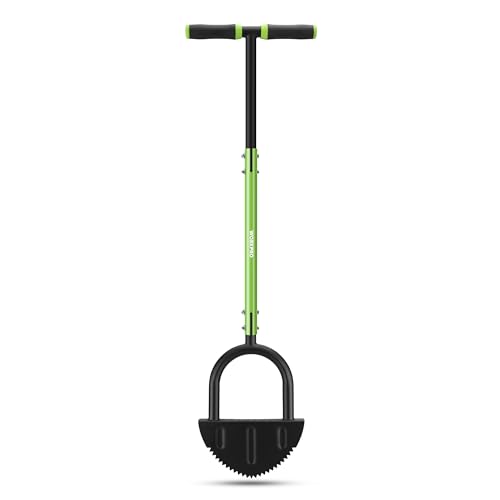
Pros
- Sharp, durable blade for effective cutting performance on grass and soft soil
- Comfortable soft-grip T-handle and footrest enhance control and reduce fatigue
- Easy to assemble with all hardware included and minimal steps
- Rust-resistant coating helps maintain blade sharpness and appearance over time
Cons
- Manual operation requires physical effort; not ideal for large areas or hard-packed soil
- Lacks a wheel guide, so achieving perfectly straight edges may need practice
- Some users may prefer a longer handle for very tall individuals
The WORKPRO 40-Inch Edger is a manual lawn tool that targets homeowners, gardeners, and DIY landscapers looking for a budget-friendly way to sharpen the borders of their yard. It falls into the category of manual half-moon edgers, which are popular for creating clean lines along sidewalks, driveways, flower beds, and patios without relying on gas or battery power.
In terms of performance, the edger's 23-tooth saw blade is designed to cut through grass, roots, and loose soil. According to the product description, the blade is spray-coated for rust resistance, which helps maintain its sharpness through repeated use. The tool works best on moist, well-maintained soil and turf. For small to medium yards, it can handle edging tasks efficiently, though it requires manual force and a steady hand to maintain straight lines. The wide footrest allows users to apply downward pressure with their foot, making the cutting action easier and more controlled.
Build quality is a highlight: the blade and shaft are made from premium steel with a black spray-coated finish for added rust and water resistance. The T-handle is constructed from TPE and PP materials, offering a comfortable, non-slip grip. The overall assembly is straightforward—the package includes nuts, bolts, flat washers, and a 10mm spanner, so you can put it together in minutes without extra tools. The 40.55-inch length is suitable for most average-height users, though taller individuals might wish for a longer handle.
Setup is minimal: simply attach the blade assembly to the handle using the provided hardware. No complicated instructions or special skills are needed. Maintenance is equally simple—just wipe down the blade after use, especially after cutting through moist soil, and periodically check the bolts for tightness. Storage is easy thanks to its slim profile, which takes up little space in a shed, garage, or even a corner of an apartment balcony.
However, this manual edger does have limitations. It is not a replacement for powered edgers when dealing with large lawns, thick roots, or extremely compacted soil. Achieving perfectly straight, consistent edges along a long driveway may be challenging without a guide. Also, because it's a manual tool, it requires physical exertion—so it's best suited for homeowners who enjoy a hands-on approach or have smaller edging needs.
Overall, the WORKPRO 40-Inch Edger offers good value for its price point. It is a practical choice for DIY gardeners and budget-conscious shoppers who want to maintain crisp edges without investing in gas or electric equipment. For those with small to medium yards and a willingness to put in a bit of elbow grease, this edger can deliver neat, professional-looking borders.
Evaluating Lawn Edging Tools for Clean Turf Boundaries
Manual lawn edging tools create crisp boundaries between living turf and hardscapes like sidewalks and garden beds. Determining what is the best lawn edging tool depends on whether your yard needs routine walkway trimming or deep sod cutting. Step-style half-moon blades provide the downward force needed to slice dense root mats and firm soil. Rolling rotary cutters excel at swift maintenance passes where grass creeps over paved edges.
Motorized trimmers offer speed, but manual tools provide pinpoint precision without engine noise, exhaust fumes, or flying gravel. Choosing an appropriate manual edger also reduces the physical strain associated with repetitive landscape chores. Blade metallurgy, step plate leverage, and handle construction dictate how smoothly a tool penetrates firm soil. Evaluating these mechanical characteristics helps you pick the most effective design for your property.
Mechanical Differences Between Half-Moon Spades and Rotary Edgers
Half-moon edging spades feature an arched steel blade that plunges vertically into sod under foot pressure. Tools like the KYEEN-TOOLS Serrated Edger Lawn Tool and Garden Weasel Edger Chopper Lawn Tool for Garden use this chopping action to establish crisp borders. The curved profile rocks forward and backward, slicing sod without tearing grass crowns. This vertical action allows gardeners to shape curved flower beds or define straight borders along asphalt.
Rotary wheel edgers operate on a rolling principle designed for paved borders. The BARAYSTUS Wheel Rotary Edger Lawn Tool features serrated blades that spin against a shear face as its guide wheel rolls along concrete. This movement creates a continuous scissor-like slice that trims horizontal runners and overhanging blades. Because rotary edgers rely on the pavement edge to stabilize the wheel, they are less effective in open garden beds.
Choosing between these tool configurations depends on your maintenance phase. If your yard lacks defined bed boundaries or needs sod removal, a half-moon step tool provides necessary soil penetration. If you already maintain concrete edges and want to eliminate grass creep, a rotary tool trims borders faster. Many property owners keep both tools handy, using step edgers for spring restructuring and rotary edgers for mid-season upkeep.
Blade Metallurgy and Cutting Edge Engineering
The steel composition of an edger blade determines how long it retains sharpness against abrasive soil, gravel, and concrete curbs. The CKLT Edger Lawn Tool 41in Border Edger features a tempered spring steel blade that resists warping when striking underground stones. Spring steel absorbs deflection under lateral stress and flexes back into alignment without permanent bending. Standard mild steel blades often distort or dull quickly when forced into compacted clay.
Carbon steel and manganese steel alloys provide the hardness required to maintain a sharp edge across multiple seasons. The Manual Edger Lawn Tool with 38″-42″ Adjustable uses a manganese steel blade built to pierce dry soil without edge chipping. Thermal hardening enhances tensile strength, preventing the cutting edge from rolling against hard driveway edges. Protective powder coatings shield these alloys from moisture, plant sap, and corrosive turf fertilizers.
Serrated cutting edges have largely replaced smooth blade contours on modern edging shovels. The WORKPRO 40-Inch Edger Lawn Tool features a sharp 23-tooth saw edge that grabs tough grass roots instead of pushing them aside. Smooth blades require intense vertical pressure to pierce thick sod, often sliding off dense thatch. Serrated teeth concentrate downward step force onto multiple contact points, slicing root systems with far less effort.
Footplate Width and Downward Force Transfer
Mechanical force transfer is the primary advantage step edgers hold over standard trenching shovels. The Colwelt Saw-Tooth Edger Lawn Tool features an extra-wide foot platform that lets gardeners center their body weight above the blade axis. Narrow flanges on basic garden tools focus intense pressure on the arch of your foot, inducing sole fatigue. A wide platform provides a slip-resistant surface that stabilizes your footing on damp turf.
Step dimensions also determine how easily you drive the blade through hardpan soil. An 8-inch wide footplate on the CKLT Edger Lawn Tool 41in Border Edger easily accommodates bulky work boots. This generous width lets you switch stepping feet periodically, balancing fatigue across both legs on extensive perimeter projects. Slipping off a narrow ledge while stepping down can cause painful ankle twists or bruised shins.
Generous footplates also protect the structural junction where the tool socket attaches to the blade. Wide platforms distribute downward pressure across both blade shoulders rather than concentrating stress on the central weld. This balanced distribution prevents the blade from fracturing near the collar when cutting through root clusters. High-leverage foot platforms turn bodyweight into effective shearing energy without requiring aggressive stomping.
Handle Length Adjustability and Spinal Ergonomics
Excessive stooping during landscape work causes rapid lumbar fatigue and hamstring tightness. The BARAYSTUS Wheel Rotary Edger Lawn Tool combats this problem with a 3-section stainless steel shaft adjustable up to 58.3 inches. Longer handles allow taller gardeners to maintain an upright posture while guiding the cutter forward along pavement. Shorter settings suit compact workspaces or smaller gardeners who need better control around low shrubs.
Step-style edgers generally stand between 38 and 42 inches tall to balance stepping mechanics with comfortable hand placement. The Manual Edger Lawn Tool with 38″-42″ Adjustable offers three preset pin adjustments, letting users fine-tune shaft height to their specific build. A handle that sits too low forces an uncomfortable forward bend with every foot strike. A handle that sits too high diminishes downward steering control and causes upper-body muscle tension.
Grip configuration also affects wrist alignment and tool stability during aggressive sod cutting. Ergonomic T-handles on the KYEEN-TOOLS Serrated Edger Lawn Tool and Garden Weasel Edger Chopper Lawn Tool for Garden allow balanced two-handed control during rocking cuts. Soft thermoplastic grips cushion palm pressure and reduce blister formation on hot afternoons. Balanced dual-hand grips prevent the shaft from spinning when the blade strikes hidden subsurface stones.
Trenching Capability for Landscape Edging and Utility Lines
Beyond trimming lawn boundaries, manual step edgers serve as practical trenching tools for yard improvement projects. Slicing a straight, uniform slot makes installing plastic border edging, steel restraints, or stone pavers much easier. The arched blade on the WORKPRO 40-Inch Edger Lawn Tool cuts down three to four inches, providing sufficient depth to seat commercial border materials securely. Severed sod ribbons lift away cleanly, keeping adjacent lawn turf undisturbed.
Homeowners also use manual step edgers to bury low-voltage lighting wires and flexible drip irrigation tubing. Instead of hiring heavy equipment or tearing wide furrows through your lawn, an edger creates a narrow slice that closes easily. The serrated profile on the KYEEN-TOOLS Serrated Edger Lawn Tool cuts through root mats so lines can be set to proper burial depth. Stepping firmly along the slit afterward closes the soil, leaving minimal visible trace across your lawn.
Manual trenching also minimizes the danger of severing existing underground utilities or irrigation pipes. Steel hand tools deliver instant tactile feedback, allowing operators to stop immediately if the blade encounters buried conduit or tree roots. Motorized power cutters spin at high speeds, often slicing delicate wiring before an operator notices the contact. This hands-on control offers peace of mind whenever you work near outdoor electrical or irrigation systems.
Managing Dense Turfgrass Species and Root Networks
Various turfgrass species present unique challenges when carving clean border separations. Warm-season varieties such as Bermuda, St. Augustine, and Zoysia spread aggressively via tough surface stolons and subterranean rhizomes. These creeping runners knit into dense mats that quickly invade pavement cracks and garden beds. A saw-tooth blade on the Colwelt Saw-Tooth Edger Lawn Tool severs these tough strands cleanly rather than tearing them away in ragged clumps.
Cool-season grasses such as tall fescue and Kentucky bluegrass form dense bunching crowns and extensive root systems. While they spread less aggressively across concrete than warm-season turf, they develop thick thatch layers that resist blunt blades. Cutting through heavy fescue thatch requires sharp blade teeth and sturdy steel to avoid pulling grass plants out by the roots. Ragged cuts leave bruised plant crowns that turn brown and invite summer weed infestation.
Soil moisture levels also govern how easily your edger creates durable, vertical boundary walls. Slicing bone-dry summer soil requires excessive downward force and accelerates blade wear against hard mineral particles. Conversely, working in saturated sod leads to mud sticking to the steel face and collapsing your clean trench. Working one or two days after moderate rainfall provides ideal moisture balance, keeping soil workable yet firm enough to hold its shape.
Border Maintenance Synergy with Rotary Mowing Practices
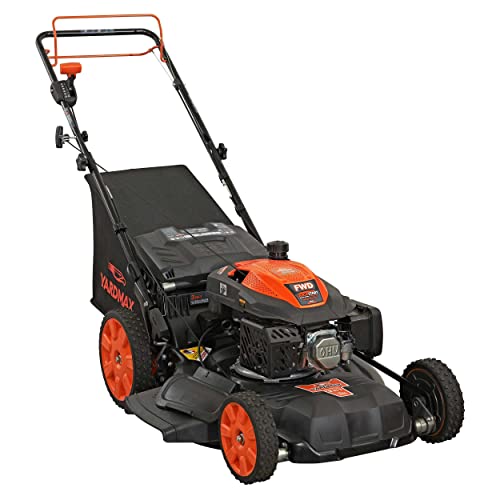
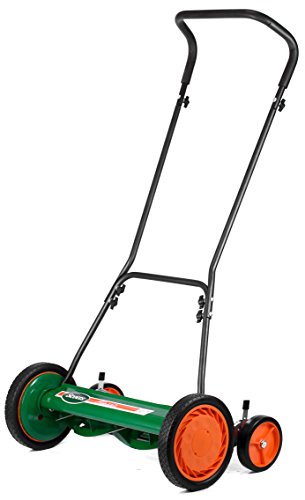
Establishing clean turf borders directly improves mowing efficiency while protecting mower decks from accidental damage. When lawn grass spills over sidewalk edges, operators often drop mower wheels off the pavement to cut overgrown runners. This drops the cutting deck into low spots, scalping the turf crown and nicking blades against concrete edges. A distinct vertical boundary keeps grass standing upright, allowing mowers to roll smoothly along pavement without scalping adjoining lawn edges.
Defined landscape borders also prevent mower discharge chutes from throwing soil and mulch across freshly cut turf. When paired with collecting lawn debris regularly, crisp trenches act as physical barriers that stop loose clippings from migrating into flower beds. These trenches also prevent bark mulch from washing across paved walkways during heavy summer downpours. Maintaining neat edges minimizes post-mowing cleanup and preserves clean garden lines between major landscape overhauls.
Mowing over well-edged perimeters reduces wet soil accumulation under mower cutting decks. Treating your mower housing with protective deck sprays maintains smooth airflow under the deck, ensuring grass clippings discharge cleanly away from bed lines. Keeping moist dirt out of the cutting chamber also protects deck spindle bearings and drive belts from abrasive wear. Incorporating manual edge trimming into your routine creates an efficient mowing environment that yields sharp, professional-grade results.
Tool Maintenance, Rust Prevention, and Blade Longevity
Basic routine care ensures manual lawn edgers retain their cutting efficiency over multiple seasons. After finishing yard work, scrape clinging clay and grass sap off the blade using a stiff wire brush. Wet soil holds moisture against bare metal, encouraging rust formation even on powder-coated steel surfaces. Rinsing the blade clean and wiping it dry with an old rag prevents corrosion along the sharpened teeth.
Rotary wheeled tools like the BARAYSTUS Wheel Rotary Edger Lawn Tool require occasional cleaning around the wheel hub to maintain smooth spinning. Grass clippings and stringy roots often wrap around the central axle bolt, creating friction that impedes the self-sharpening blades. Clearing tangled debris and applying a drop of lubricating oil to the axle ensures effortless rolling. Storing your manual tools hung up inside a dry shed protects blade edges from concrete floors.
Selecting the Right Edger for Your Property Layout
Choosing the ideal edger depends on evaluating your property layout, soil conditions, and maintenance schedule. Properties with extensive curved flower beds, flagstone walkways, and soft garden borders benefit most from step-based half-moon tools. The saw-tooth blade on the WORKPRO 40-Inch Edger Lawn Tool or Colwelt Saw-Tooth Edger Lawn Tool cuts organic contours that rolling tools cannot follow. These step edgers allow you to establish custom boundaries anywhere in your lawn without needing a hard guiding curb.
Suburban yards with long straight driveways, public sidewalks, and established concrete borders benefit greatly from rolling rotary edgers. Wheeled cutters glide smoothly along pavement edges, trimming grass in continuous strides that cover long distances in minutes. Homeowners who prefer frequent, low-effort touch-ups will find rolling cutters far less physically demanding than repeatedly stepping on a spade. Selecting a tool tailored to your primary border style ensures crisp curb appeal while keeping physical exertion manageable.
Before starting your next landscape project, inspect your property lines to see whether your turf needs deep restructuring or simple edge trimming. Assessing soil moisture ensures your cuts stay crisp without collapsing into mud or straining your back against dry soil. Pairing a sturdy manual edger with consistent mowing habits produces clean, picture-perfect borders across your entire yard. Thoughtful border maintenance stops aggressive grass from overrunning hardscapes, preserving your property lines and lawn health with minimal ongoing effort.





Write Your Review
No reviews yet. Be the first to share your experience!